Most service businesses wait for customers to find them. They invest in content, optimize for search, and hope the right person types the right words at the right time. That's not wrong, but it's incomplete. Out marketing flips the script. Instead of waiting to be discovered, you go where your audience already is and start conversations before they know they need you. It's direct, measurable, and when done right, it creates demand instead of just capturing it.
What Out Marketing Actually Means
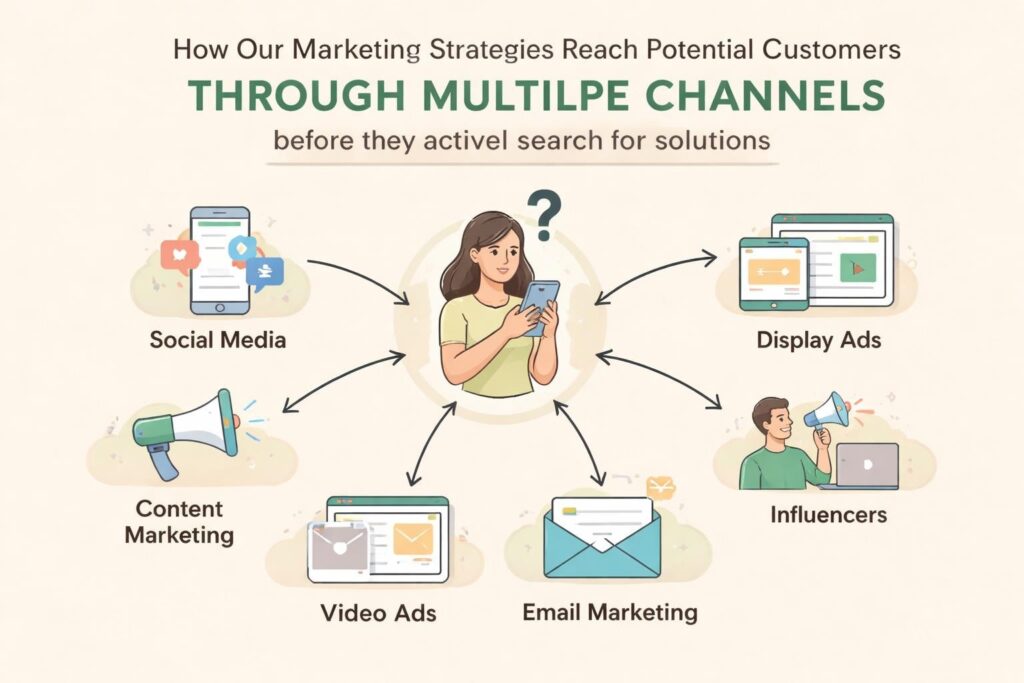
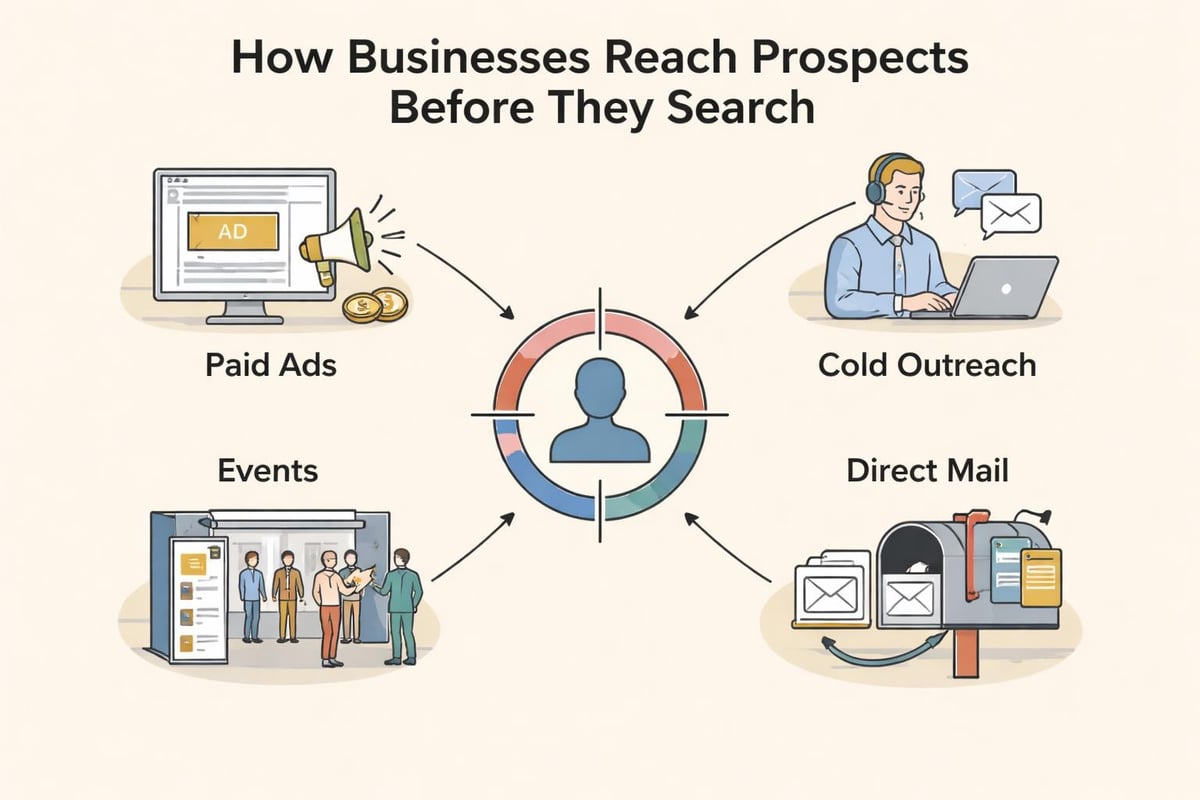
Out marketing is any approach that puts your message in front of prospects who aren't actively searching for you. It includes paid ads, cold outreach, events, direct mail, and anything else that interrupts someone's day with a solution they didn't know existed.
The term gets used interchangeably with outbound marketing, but there's a subtle difference worth noting. Outbound is about the direction (company to customer). Out marketing is about the placement (outside their normal flow). You're inserting your brand into their world rather than building a world they eventually stumble into.
Why It Still Works in 2026
People love to declare outbound dead. They've been doing it since 2009. Yet businesses still run ads, send emails, and sponsor events because these tactics work when executed with precision.
Here's what's changed: the bar for quality has risen sharply. Generic messaging gets ignored. Irrelevant offers annoy. But targeted, well-timed out marketing that speaks to a real problem? That cuts through.
Key advantages of out marketing include:
- Speed: You control the timeline. Launch a campaign today, see results this week.
- Reach: You define the audience. No waiting for organic traction.
- Testing: Run multiple approaches simultaneously and learn what resonates.
- Predictability: Spend correlates with exposure. More budget equals more eyeballs.
The businesses winning with out marketing in 2026 aren't shouting louder. They're listening better and placing smarter bets on where their ideal customers spend time.
Core Channels That Actually Convert
Not all out marketing channels deliver the same results. Some work brilliantly for service businesses. Others drain budget without return. Here's what's worth your attention.
Paid Search and Display
Google Ads remains the most direct path to qualified traffic. When someone searches "CRM implementation for service businesses," you can be the first result they see.
Display ads work differently. They build awareness across the web, targeting based on behavior, interests, or site visits. The conversion rate is lower, but the reach is massive.
| Channel | Best For | Conversion Window | Budget Minimum |
|---|---|---|---|
| Paid Search | High intent keywords | Days to weeks | $2,000/month |
| Display Ads | Brand awareness | Weeks to months | $1,500/month |
| LinkedIn Ads | B2B targeting | Weeks to months | $3,000/month |
| Facebook/Meta | Local services | Days to weeks | $1,000/month |
Cold Outreach That Doesn't Feel Cold
Email and LinkedIn outreach get a bad reputation because most of it is garbage. When you personalize, research the prospect, and offer something genuinely useful, response rates jump.
The best cold emails:
- Reference something specific about their business
- Identify a problem they likely face
- Offer one clear next step
- Keep it under 100 words
Avoid:
- Generic templates
- Asking for 15 minutes of their time
- Leading with your credentials
- Multiple CTAs
When your branding and advertising align across channels, cold outreach stops feeling random and starts feeling relevant.
Events and Sponsorships
Physical and virtual events put you directly in front of decision-makers. The ROI isn't immediate, but the relationship quality is higher than any digital channel.
Sponsoring industry events, hosting workshops, or running webinars positions you as an authority. People buy from experts, and presence builds expertise in their minds.
Some businesses explore creative approaches like ambush marketing, associating with major events without official sponsorship. It's risky and often unethical, but it shows how valuable event presence has become.
Building Out Marketing That Compounds
One-off campaigns deliver one-off results. The real power comes when your out marketing feeds into a system that compounds over time.
The Infrastructure Behind Effective Campaigns
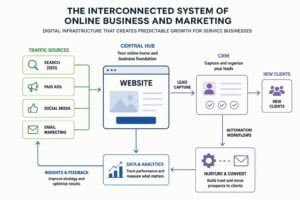
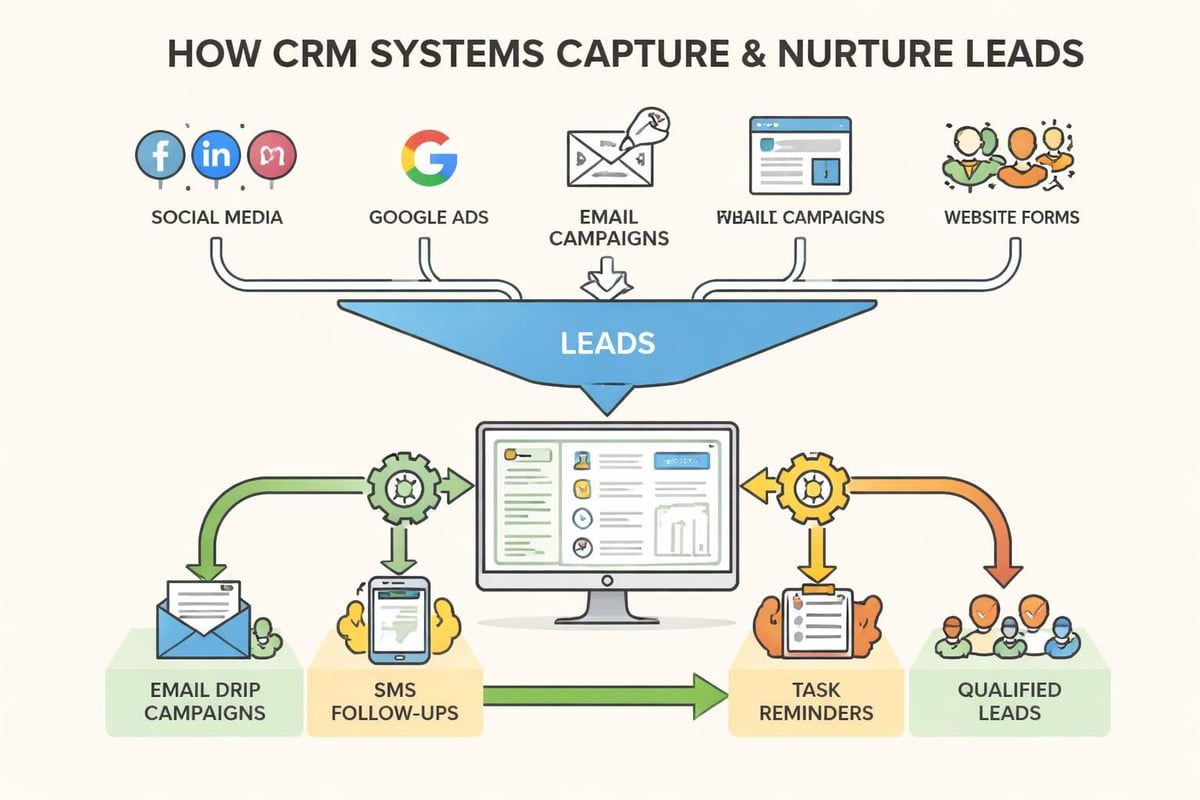
Before you spend a dollar on ads or send a single email, you need infrastructure that protects the leads you generate. This means:
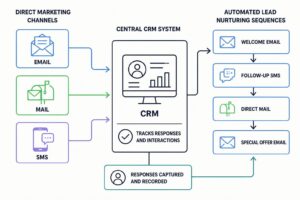
- CRM that captures every interaction: No lead should fall through cracks because someone forgot to follow up.
- Automated sequences that nurture: Not everyone buys immediately. Stay present without manual effort.
- Attribution tracking: Know which channels drive results so you can double down on what works.
- Landing pages that convert: Paid traffic is expensive. Don't waste it on pages that confuse or underwhelm.
Most service businesses lose 40-60% of their leads to poor follow-up systems. Your marketing systems determine whether out marketing is profitable or just expensive noise.
Messaging That Matches Where They Are
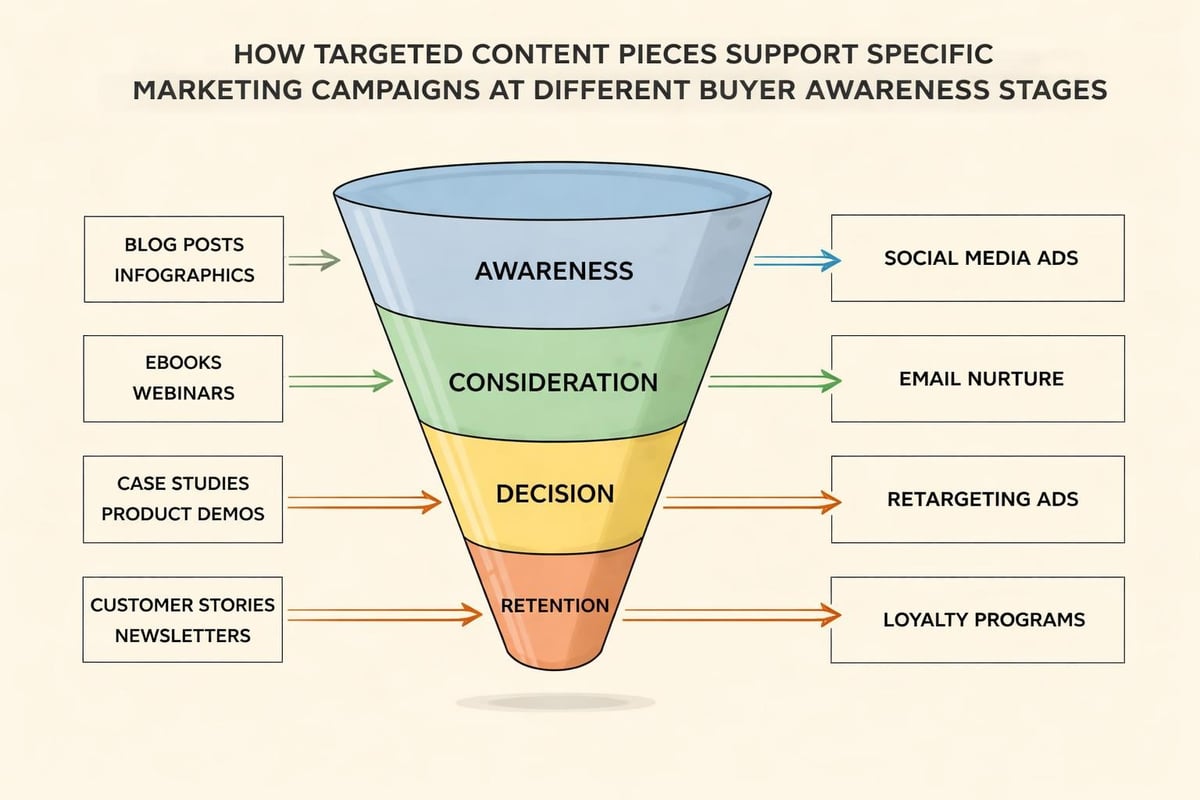
Out marketing works best when the message acknowledges the context. Someone clicking a search ad has different awareness than someone seeing a display ad or reading a cold email.
Match your message to the channel:
- Search ads: Direct, solution-focused. They're looking, you're answering.
- Display ads: Problem-aware but not solution-seeking. Educate before selling.
- Cold email: Completely unaware you exist. Build relevance before pitching.
- Retargeting: They know you. Remind them why you matter.
The businesses that fail at out marketing use the same message everywhere. The ones that win adjust tone, depth, and offer based on how the prospect arrived.
Measuring What Matters
Out marketing generates data. Lots of it. Most of it is useless if you don't know what to watch.
Metrics by Stage
Early-stage metrics tell you if people care. Late-stage metrics tell you if they buy.
| Stage | Primary Metrics | What They Mean |
|---|---|---|
| Awareness | Impressions, reach, CPM | Are you getting seen? |
| Interest | CTR, engagement rate | Are you getting clicked? |
| Consideration | Landing page conversions | Are you getting leads? |
| Purchase | Close rate, CAC, LTV | Are you getting customers? |
Vanity metrics to ignore:
- Total followers or subscribers (unless you're monetizing attention directly)
- Page views without conversion context
- Impressions without engagement
Focus on cost per qualified lead and customer acquisition cost. Everything else is context.
Testing and Iteration
Out marketing isn't set-and-forget. It's test, learn, adjust, repeat.
Run A/B tests on:
- Headlines and CTAs
- Audience segments
- Offer positioning
- Landing page layouts
- Follow-up timing
Small improvements compound. A 10% lift in conversion rate plus a 10% reduction in cost per click doesn't equal 20% better results. It multiplies. That's how you go from break-even campaigns to profit engines.
For businesses focused on digital growth, testing discipline separates the winners from the hopeful.
Integrating Out Marketing with Broader Strategy
Out marketing shouldn't live in isolation. It works best when connected to everything else you're doing.
The Outbound-Inbound Loop
Smart businesses use out marketing to fuel inbound engines. You run ads to drive traffic to educational content. That content builds trust and captures emails. Those emails nurture until someone's ready to buy.
Reverse marketing describes situations where customers seek out firms instead of the other way around. Out marketing creates the conditions for reverse marketing to happen later.
The loop looks like this:
- Out marketing drives targeted traffic to high-value content
- Content educates and builds authority
- Email sequences stay present and deepen relationships
- Retargeting catches people who weren't ready the first time
- Inbound interest arrives from people who now trust you
This isn't theory. It's how service businesses predictably generate demand quarter after quarter.
Content That Supports Campaigns
Every out marketing campaign should point to something worth reading, watching, or downloading. Generic landing pages convert poorly. Specific, helpful resources convert well.
If you're running ads for CRM implementation, create content that addresses:
- Common CRM migration mistakes
- How to choose between platforms
- ROI timelines for automation
Your content marketing and branding should make the sale easier, not just generate awareness.
Common Mistakes That Kill ROI
Most businesses don't fail at out marketing because the tactic doesn't work. They fail because they skip the fundamentals.
Skipping the Follow-Up
You pay for the click. You capture the lead. Then nothing happens for three days because everyone's busy. The lead goes cold. You wasted the money.
Fix it with automation:
- Instant email confirmation
- Same-day follow-up call or email
- Scheduled check-ins over 30 days
- CRM alerts when leads show buying signals
Marketing and business development only work when systems handle what humans forget.
Ignoring Creative Fatigue
Ads get stale. People see the same message five times and stop noticing. Your click-through rate drops. Your cost per click rises.
Refresh creative every 4-6 weeks. Test new angles. Rotate imagery. Keep the message fresh even when the core offer stays the same.
Targeting Too Broad or Too Narrow
Cast too wide and you waste budget on people who'll never buy. Go too narrow and you'll never reach scale.
The sweet spot: specific enough to be relevant, broad enough to reach volume. For service businesses, that usually means:
- Geographic constraints (local or regional)
- Industry or business size filters
- Behavioral signals (visited specific pages, engaged with content)
Platforms like LinkedIn allow layered targeting. Use it.
Not Budgeting for Learning
Your first campaign probably won't be profitable. That's not failure, it's tuition. Budget for testing before you expect ROI.
Allocate 20-30% of your first quarter budget to learning what works. Once you find winning combinations, scale those and cut what doesn't perform.
Advanced Tactics for Established Businesses
Once you've mastered the basics, there are sophisticated approaches that amplify results.
Account-Based Out Marketing
Instead of broad targeting, focus all effort on 20-50 ideal accounts. Build custom campaigns for each. Personalize at the company level, not just the individual.
This works best for high-ticket services where a single client is worth $50k+. The effort per account is higher, but so is the close rate.
Multi-Touch Attribution
Understanding which touchpoints contribute to conversions lets you allocate budget smarter. Someone might click a search ad, ignore it, see a display ad a week later, click that, then convert three days later after a retargeting email.
Which channel gets credit? All of them, proportionally. Multi-touch attribution shows the real customer journey.
Offensive and Defensive Campaigns
Offensive campaigns go after new markets and competitors' customers. Defensive campaigns protect your brand and existing client relationships.
Attack marketing uses creative techniques to build awareness quickly, though it often courts controversy. Most service businesses don't need aggressive tactics, but understanding competitive positioning matters.
Defensive tactics include:
- Bidding on your brand name in search
- Retargeting past clients with renewal offers
- Monitoring competitor mentions and responding
Out-of-Home Integration
Out-of-home advertising includes billboards, transit ads, and other physical placements. For local service businesses, this can be powerful when paired with digital campaigns.
The key is driving people from physical to digital. QR codes, memorable URLs, or simple search prompts connect offline exposure to online conversion.
The Reality of Building Demand
Out marketing isn't magic. It's structured effort applied consistently. You'll test campaigns that flop. You'll waste money learning what doesn't work. That's part of the process.
What separates businesses that succeed from those that quit is system discipline. You need infrastructure that captures, nurtures, and converts. You need messaging that evolves with what you learn. And you need patience to let compound effects build.
When someone says out marketing is dead, what they mean is lazy out marketing is dead. Generic, interruptive, irrelevant advertising has always been expensive and ineffective. But precise, valuable, well-timed messages that reach the right person at the right moment? That's just called good marketing.
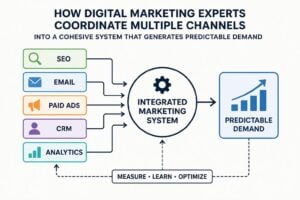
The businesses winning in 2026 aren't choosing between inbound and outbound, content and ads, organic and paid. They're using all of it in coordinated systems that create predictable demand. Out marketing is one piece of that system, but it's the piece that gives you control over timeline and reach.
Build it right, test relentlessly, and protect every lead that comes through. The rest is just math.
Out marketing creates demand when it's built on infrastructure that protects leads and systems that nurture them into customers. If you're ready to move past hope-based marketing into structured growth, MDO Digital helps service businesses build the CRM foundation, automation sequences, and data-driven campaigns that turn attention into predictable revenue. Let's remove the chaos and build something that compounds.