The term "go advertising" sounds like a product or platform, but it represents something bigger. It's the mindset of creating forward motion in your marketing. Not just running campaigns, but building systems that keep generating leads while you focus on delivering great work. For service businesses, this shift from static tactics to continuous momentum changes everything. Instead of starting from scratch each month, you build infrastructure that compounds over time.
What Go Advertising Actually Means
When people search for go advertising, they're often looking for tools like Criteo GO, which offers AI-powered advertising campaigns. But the broader concept applies to any business trying to create marketing that doesn't require constant manual effort. It's about setting things in motion and letting them work.
The difference between traditional advertising and the go advertising approach is simple:
- Traditional approach: Run a campaign, get results, stop, repeat
- Go advertising approach: Build systems that generate demand continuously
- Traditional outcome: Unpredictable pipeline, feast or famine
- Go advertising outcome: Structured growth, predictable leads
This matters because most service businesses can't afford to run expensive campaigns forever. You need marketing that keeps working after the initial setup. That's where systems thinking meets advertising.
The Infrastructure Behind Continuous Marketing
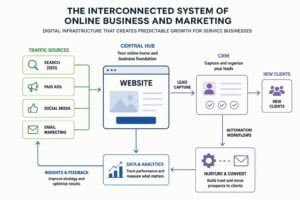
Go advertising requires three layers working together. First, you need capture mechanisms that turn attention into contact information. Second, you need nurture systems that build trust over time. Third, you need data feedback that shows what's working.
Without these layers, you're just buying attention and hoping it converts. With them, you create a flywheel. Each campaign feeds your CRM, each email builds trust, each conversion teaches you something new.
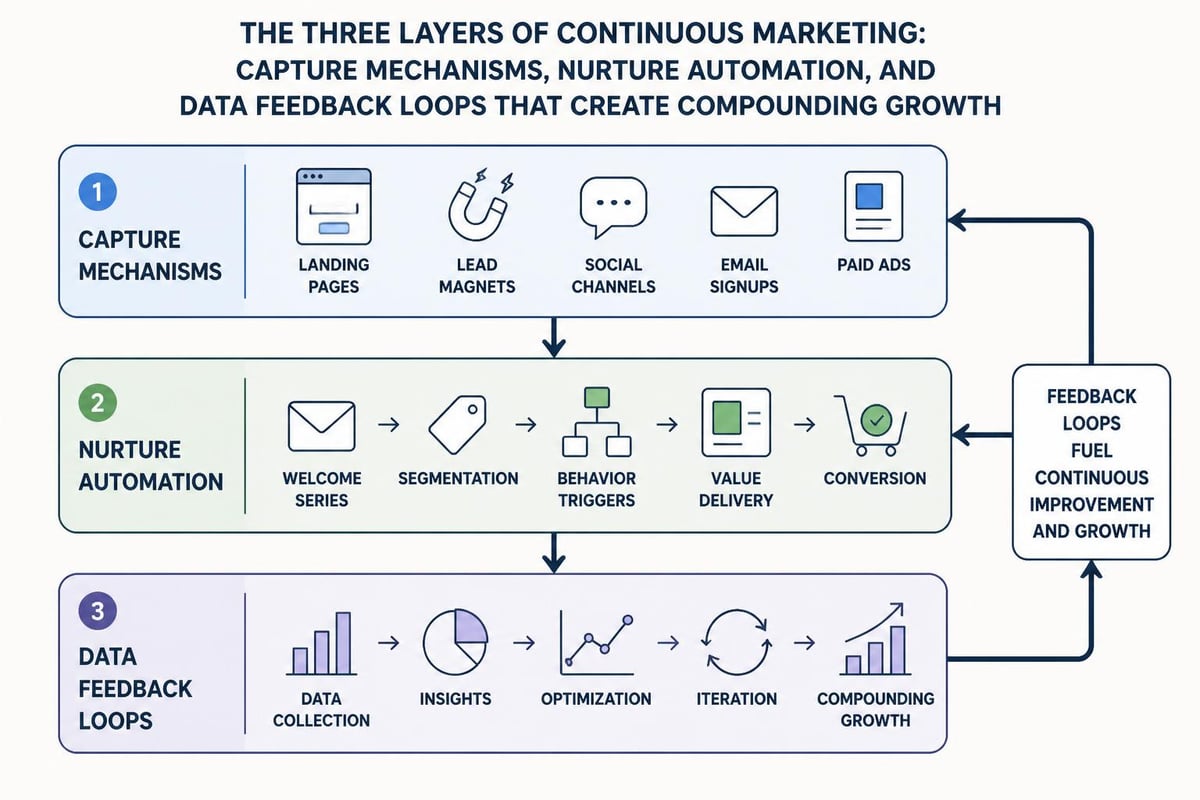
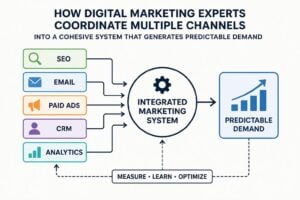
Most businesses struggle here because they treat advertising as separate from their marketing system. They run ads, collect leads, then manually follow up. That approach doesn't scale. Go advertising means connecting everything so momentum builds automatically.
Building Your Go Advertising System
The foundation starts with clarity about who you're reaching and what action you want them to take. Vague targeting creates vague results. Specific audience definition creates specific systems.
Here's what a structured go advertising system looks like:
- Define your ideal client profile with actual data, not assumptions
- Create platform-specific campaigns that speak to real problems
- Build opt-in offers that qualify leads while adding value
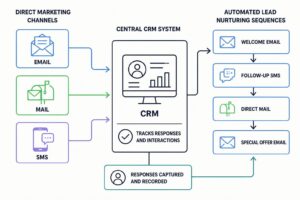
- Set up CRM automation that nurtures without manual work
- Design follow-up sequences that build trust over weeks, not days
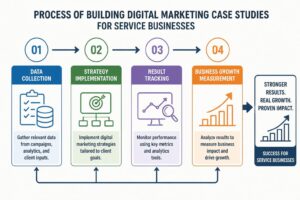
- Track conversion points to understand where momentum slows
- Optimize based on data, not guesses or trends
This structure creates predictable motion. When someone sees your ad, opts in, receives value, and gets nurtured toward a conversation, you've built a system. Not just a campaign.
The 7-Step Marketing Plan framework walks through exactly this process. It helps service businesses build systems that generate leads without needing constant attention. Each step feeds the next, creating the kind of momentum that go advertising is really about.
Choosing Platforms That Match Your Motion
Not every platform suits every business. GO Campaigns work well for ecommerce because they optimize for transactions. But service businesses need platforms that support longer sales cycles.
| Platform Type | Best For | Motion Created |
|---|---|---|
| LinkedIn Ads | B2B services, professional audiences | Authority, trust building |
| Google Ads | High-intent searches, immediate needs | Direct inquiry, consultation |
| Facebook/Instagram | Awareness, community building | Brand recognition, engagement |
| Email Automation | Nurturing existing contacts | Conversion, retention |
The key is matching platform mechanics to your business model. A graphic designer might use Instagram to showcase work and capture email addresses. A business consultant might use LinkedIn to reach decision-makers with specific problems. Different platforms, same system thinking.
What matters is that each platform connects to your CRM and feeds your nurture sequences. Isolated campaigns create isolated results. Connected systems create momentum.
From Campaigns to Continuous Demand
Traditional advertising treats each campaign as separate. You plan, launch, measure, stop. Then you start again. This creates gaps where momentum dies. Go advertising eliminates those gaps by building always-on systems.
The shift happens when you stop thinking in campaign timeframes and start thinking in system cycles. Instead of a six-week Facebook campaign, you build an evergreen funnel that runs continuously. Instead of quarterly Google Ads pushes, you create search capture that works year-round.
This doesn't mean spending more. It means spending strategically on infrastructure that keeps working. A well-built landing page with strong copy converts for years. A properly segmented email sequence nurtures leads while you sleep. Automation handles follow-up without needing your constant attention.
The Role of Data in Maintaining Motion
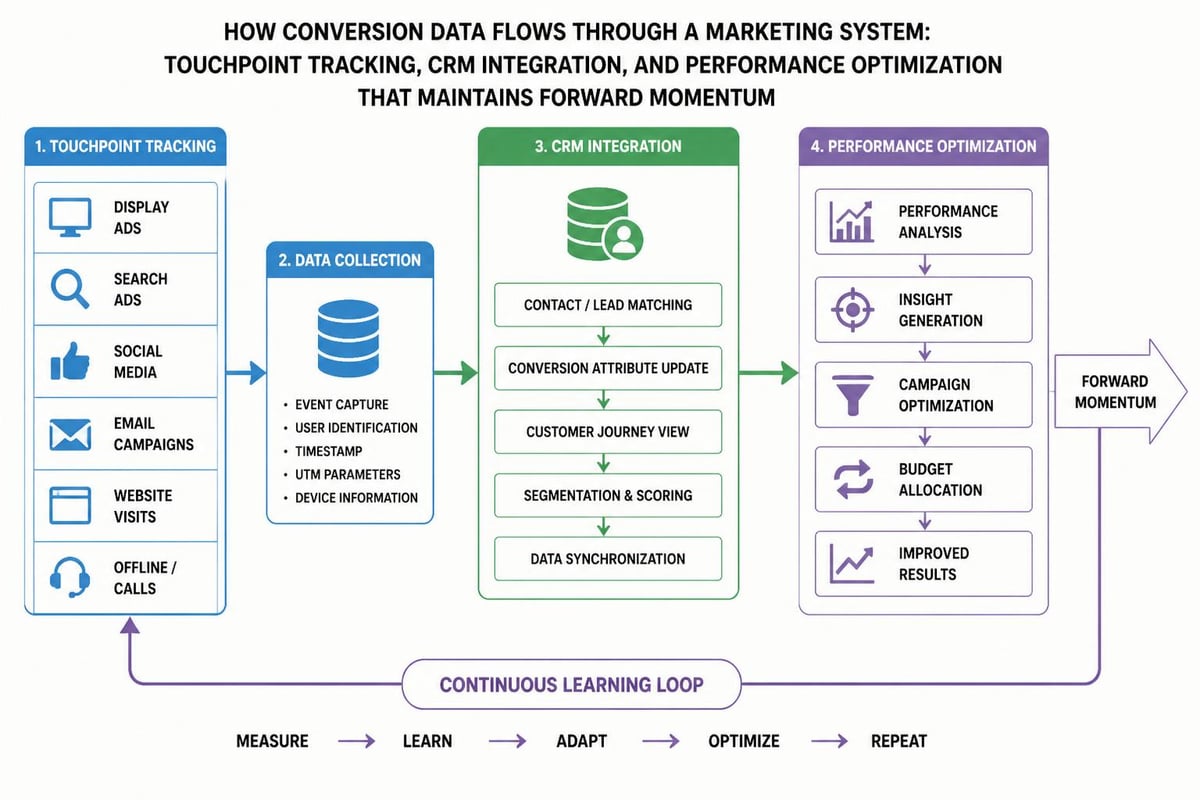
Systems only stay effective if you're watching the right numbers. Go advertising requires knowing what creates forward motion and what creates friction.
Key metrics for go advertising systems:
- Cost per qualified lead (not just any lead)
- Time from first contact to conversation
- Nurture sequence open and click rates
- Conversion rate at each system stage
- Customer acquisition cost vs lifetime value
- Campaign attribution across multiple touchpoints
These numbers tell you where momentum builds and where it stalls. Maybe your ads generate clicks but your landing page doesn't convert. Maybe people opt in but your email sequence loses them. Data shows exactly where to optimize.
Most businesses measure too much or too little. Too much creates noise. Too little creates guesswork. The right metrics show system health without overwhelming you.
Removing Friction From Your System
Even well-designed go advertising systems slow down when friction appears. Common friction points include complicated opt-in forms, unclear calls to action, slow website performance, broken automation sequences, and poor mobile experiences.
Each friction point costs you momentum. Someone clicks your ad but your page loads slowly, they bounce. Someone fills out your form but never receives the promised download, they lose trust. Someone gets three emails in one day because your automation misfired, they unsubscribe.
Removing friction isn't about perfection. It's about testing, finding breaks, and fixing them. Your go advertising system is only as strong as its weakest connection point.
Testing What Actually Moves the Needle
Testing in go advertising differs from traditional campaign testing. You're not just testing ad creative or landing page headlines. You're testing system flow.
Run tests that answer questions like:
- Does a video ad or image ad feed better qualified leads into your nurture sequence?
- Do longer or shorter email sequences create more conversations?
- Does a PDF download or video training convert better as an opt-in?
- Do leads who engage with specific content close faster?
These tests optimize the entire system, not just individual touchpoints. The goal isn't higher click-through rates. It's more predictable pipeline with less manual effort. That's what separates go advertising from just running ads.
Building Trust While Building Momentum
Service businesses sell expertise and trust, not products. Go advertising systems need to build both simultaneously. You can't just capture contact information and ask for a sale. You need to demonstrate capability while nurturing the relationship.
This is where branding and advertising work together. Your ads create the first impression. Your website reinforces positioning. Your email sequences deliver value. Your follow-up shows you understand their problems. Each touchpoint either builds trust or wastes the opportunity.
The businesses that win with go advertising don't just automate outreach. They automate value delivery. Every email teaches something useful. Every touchpoint reinforces their expertise. Every interaction makes the eventual conversation easier.
Scaling Without Losing Quality
As go advertising systems generate more leads, quality control becomes critical. More contacts mean nothing if they're not the right people. Automation saves time but can't replace good judgment about who fits your business.
Build quality controls into your system:
- Use qualifying questions in opt-in forms
- Segment contacts based on their responses
- Score leads by engagement and fit
- Set triggers that alert you to high-value prospects
- Remove inactive contacts to maintain list health
These controls ensure momentum creates value, not just volume. Ten qualified leads beat a hundred random contacts every time.
Connecting Advertising to Business Outcomes
The final piece of go advertising is connecting marketing activity to actual revenue. Many businesses run campaigns without knowing which efforts create customers and which just create activity.
| System Component | What It Measures | Why It Matters |
|---|---|---|
| Ad Performance | Cost, reach, clicks | Shows if you're reaching the right people |
| Landing Pages | Conversion rate | Shows if your message resonates |
| Email Sequences | Open, click, reply rates | Shows if you're building trust |
| Sales Pipeline | Opportunity creation, close rate | Shows if leads become clients |
| Revenue Attribution | Which campaigns drive actual sales | Shows where to invest more |
When these components connect, you see the complete picture. You know which platforms generate your best clients. You know which opt-in offers attract serious buyers. You know which email sequences move people toward conversations.
This visibility lets you double down on what works and cut what doesn't. That's how go advertising creates efficient growth instead of expensive guesswork.
Service businesses often treat marketing and business development as separate functions. Go advertising brings them together through systems that turn attention into relationships and relationships into clients.
The Long Game of Marketing Systems
Go advertising isn't a quick fix. It's infrastructure that pays off over time. The first month might feel slow. The third month shows momentum. The sixth month demonstrates compound growth.
This timeline frustrates businesses looking for instant results. But it's realistic. Trust takes time to build. Systems take time to optimize. Data takes time to accumulate.
The businesses that commit to this timeline stop living campaign to campaign. They build marketing that works whether they're actively managing it or focused on client delivery. That's the real value of the go advertising mindset.
The growth curve of a marketing system: initial setup period, optimization phase, and compounding results that create predictable demand over time
Companies like GO Agency understand this systems approach to marketing. They focus on building infrastructure, not just running isolated campaigns. The same principle applies whether you're working with an agency or building systems internally.
Making Go Advertising Work for Your Business
Implementation starts with honest assessment. Do you have the basic infrastructure? A website that converts? A CRM that captures and organizes contacts? Email systems that automate follow-up? Analytics that track what matters?
If these pieces are missing, that's where you start. Go advertising systems need foundations. Trying to run sophisticated campaigns without proper infrastructure wastes money and creates frustration.
Once foundations exist, focus on one complete flow:
- Pick one platform where your ideal clients spend time
- Create one compelling opt-in offer that demonstrates expertise
- Build one landing page designed for conversion
- Set up one email sequence that nurtures over several weeks
- Track one clear path from ad click to sales conversation
Get that single flow working before expanding. One effective system beats five half-built attempts.
The beauty of this approach is that it's testable and improvable. You're not guessing about big campaigns. You're building, measuring, and optimizing systems that create reliable motion.
Most service businesses need help with the technical setup and strategic thinking required for effective digital marketing. The difference between scattered tactics and structured systems often comes down to having the right infrastructure and clarity about what you're building.
Maintaining Momentum Over Time
Go advertising systems need regular maintenance. Automation doesn't mean set and forget. It means strategic oversight instead of constant manual work.
Monthly reviews should check:
- Are ads still reaching the right people at reasonable costs?
- Are landing pages converting at expected rates?
- Are email sequences maintaining engagement?
- Are qualified leads moving through your pipeline?
- Are any automation sequences breaking or misfiring?
These reviews take hours, not days. But they keep your system healthy and generating results. Skip them and small problems become expensive failures.
The businesses that succeed with go advertising treat their marketing system like infrastructure. They maintain it, upgrade it, and protect it. Because unlike one-off campaigns, these systems compound in value over time.
Go advertising is about creating marketing that moves forward continuously, not in stops and starts. It requires systems thinking, proper infrastructure, and commitment to the long game. But once built, these systems generate predictable demand without requiring your constant attention. If you're ready to move from campaign chaos to structured growth, MDO Digital helps service businesses build the CRM infrastructure, automation systems, and data-driven marketing that turns scattered effort into compounding results. We remove the chaos and create the clarity you need to scale.