Most businesses treat direct marketing as if it’s a single campaign or one-off push. Send some emails. Drop some flyers. Wait for results. But that approach misses the whole point. Direct marketing is a system. It’s about building infrastructure that connects your message to the right person, tracks their response, and moves them through a structured journey that ends in a sale. When you approach it this way, everything changes. You’re not just spending budget and hoping. You’re creating predictable demand.
What Direct Marketing Actually Means
Direct marketing is simply the practice of reaching people directly, without intermediaries, with messages designed to generate a measurable response. No middleman. No billboards hoping someone notices. Just you, your offer, and the person who needs to hear about it.
The “marketing” part is deliberate. You’re not just doing direct marketing in isolation. You’re building it into a broader marketing system that captures attention, qualifies interest, and converts leads into customers. That’s the difference between a tactic and a strategy.
The Core Components of Effective Direct Marketing
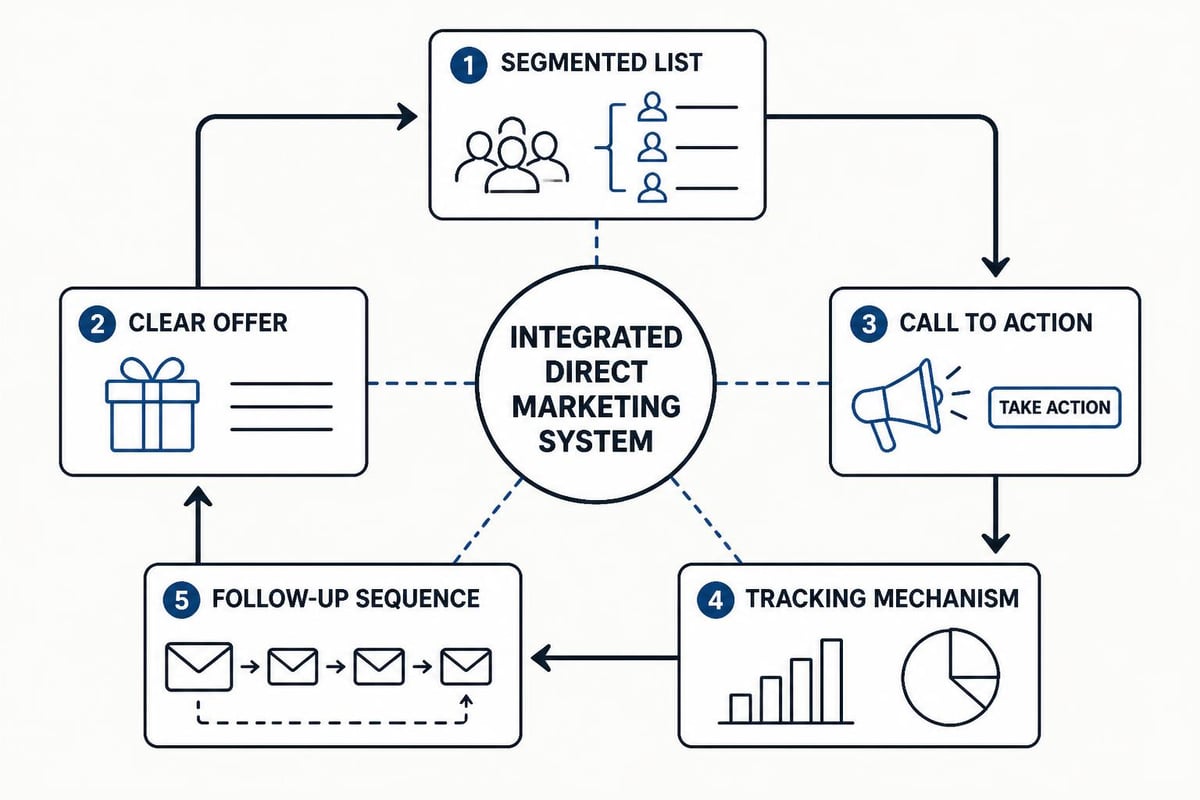
Every strong direct marketing system relies on the same building blocks:
- A clean, segmented list of people who match your ideal customer profile
- An offer that solves a specific problem or creates genuine value
- A clear call to action that tells people exactly what to do next
- A tracking mechanism to measure who responded and what happened after
- A follow-up sequence that nurtures interest and builds trust over time
Without these pieces, you’re just broadcasting. With them, you’re building a compounding system.
Why Direct Marketing Still Works in 2026
You’d think email would be dead by now. That people would be tired of direct mail. That SMS would feel intrusive. But the data tells a different story. Direct marketing best practices show response rates holding steady or even climbing when campaigns are targeted and personalised.
The reason is simple. People still want solutions to their problems. They still respond when you speak to them directly, acknowledge what they’re dealing with, and offer something genuinely useful. What’s changed is the bar for quality. Generic blasts don’t work anymore. Thoughtful, data-driven campaigns do.
What Makes Modern Direct Marketing Different
In 2026, direct marketing looks different from how it did a decade ago. Here’s what’s shifted:
| Then | Now |
|---|---|
| Batch and blast to everyone | Segment by behaviour and intent |
| One-size-fits-all messaging | Dynamic content based on customer data |
| Manual tracking in spreadsheets | Automated CRM integration |
| Single touchpoint campaigns | Multi-channel sequences over weeks |
| Hope-based attribution | Clear tracking and response metrics |
The tools are better. The expectations are higher. The opportunities are bigger if you build systems instead of campaigns.
Building a Direct Marketing System That Scales
Let’s be practical. You can’t just decide to “do direct marketing” and expect results. You need a framework. A process that repeats. A system that gets better each time you run it.
Step One: Define Who You’re Talking To
Start with your ideal customer. Not a vague demographic. An actual person with specific problems, goals, and objections. What keeps them awake at 3 am? What would make their business easier? What have they already tried that didn’t work?
Build your list around these people. Buy data if you need to, but scrub it hard. One good lead is worth ten mediocre ones.
Step Two: Create an Offer They Can’t Ignore
Your offer isn’t your product. It’s the value you’re delivering in exchange for attention. A free resource. A diagnostic tool. A limited-time discount. Something specific enough to be useful and relevant enough to matter.
At MDO Digital, we’ve seen countless businesses struggle because their offer is either too generic or asks for too much commitment too soon. The best offers reduce friction, deliver immediate value, and create a reason to stay engaged.
One framework that works consistently is the 7-Step Marketing Plan, which maps out how to move someone from stranger to customer through clear, repeatable stages. Each step builds on the last, creating a flywheel instead of a one-off transaction.
Step Three: Write Copy That Speaks Directly to the Problem
People don’t care about your company history or your mission statement. They care about whether you understand their problem and have a solution. Your copy should prove both within seconds.
Designing effective direct mail pieces requires tight headlines, clear benefits, and a single, obvious next step. The same rules apply to email, SMS, or any other channel. Cut the fluff. Get to the point. Make it easy to say yes.
Step Four: Track Everything
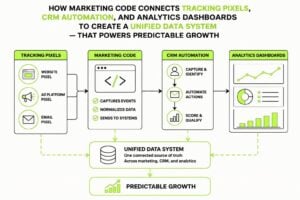
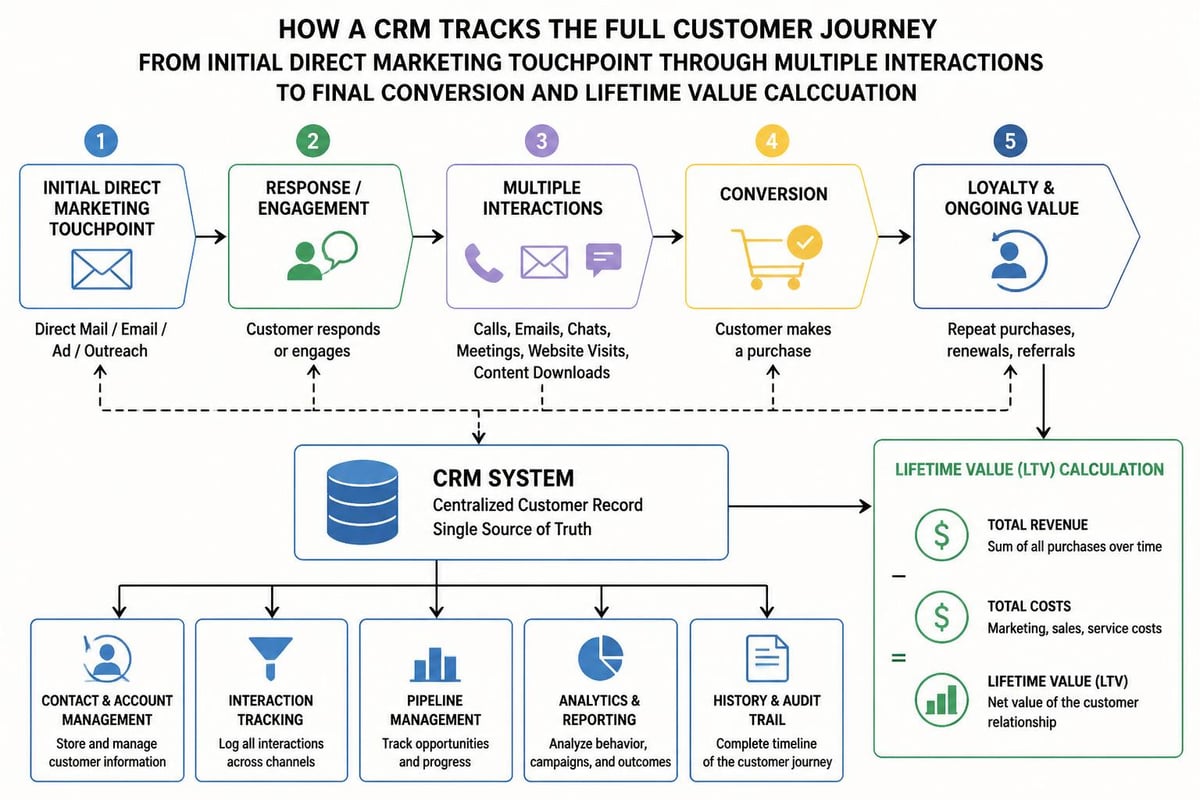
If you can’t measure it, you can’t improve it. Every piece of direct marketing you send needs a unique tracking code, a dedicated landing page, or a specific phone number. You need to know who responded, when they responded, and what they did next.
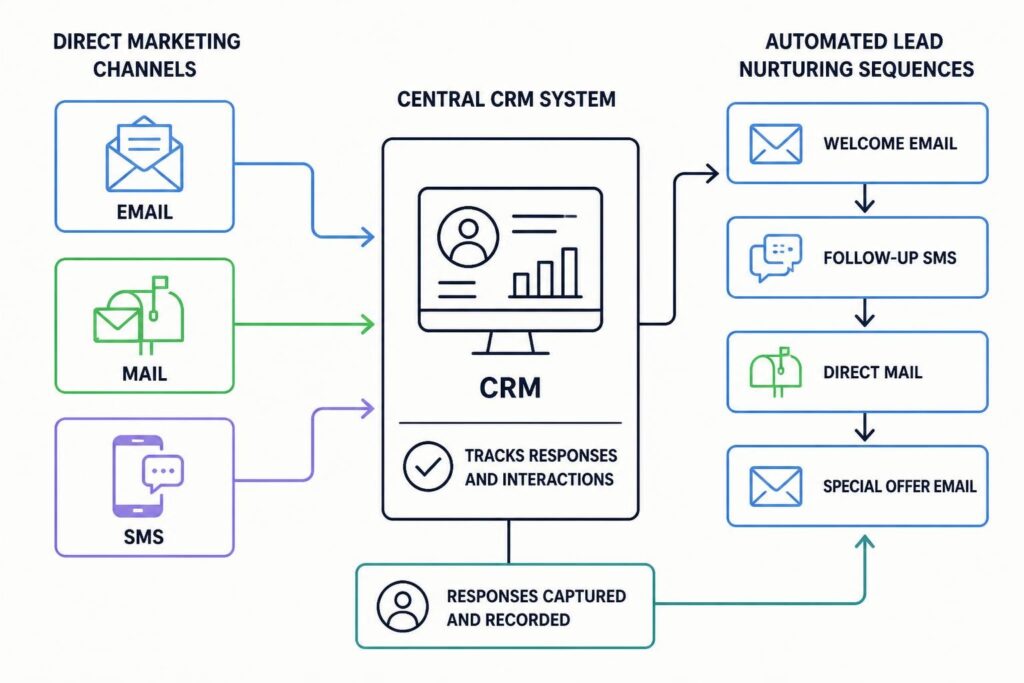
Your CRM is the central hub here. It captures the lead, records the source, and triggers the follow-up sequence automatically. Without this infrastructure, you’re flying blind.
Step Five: Follow Up Like Your Business Depends on It
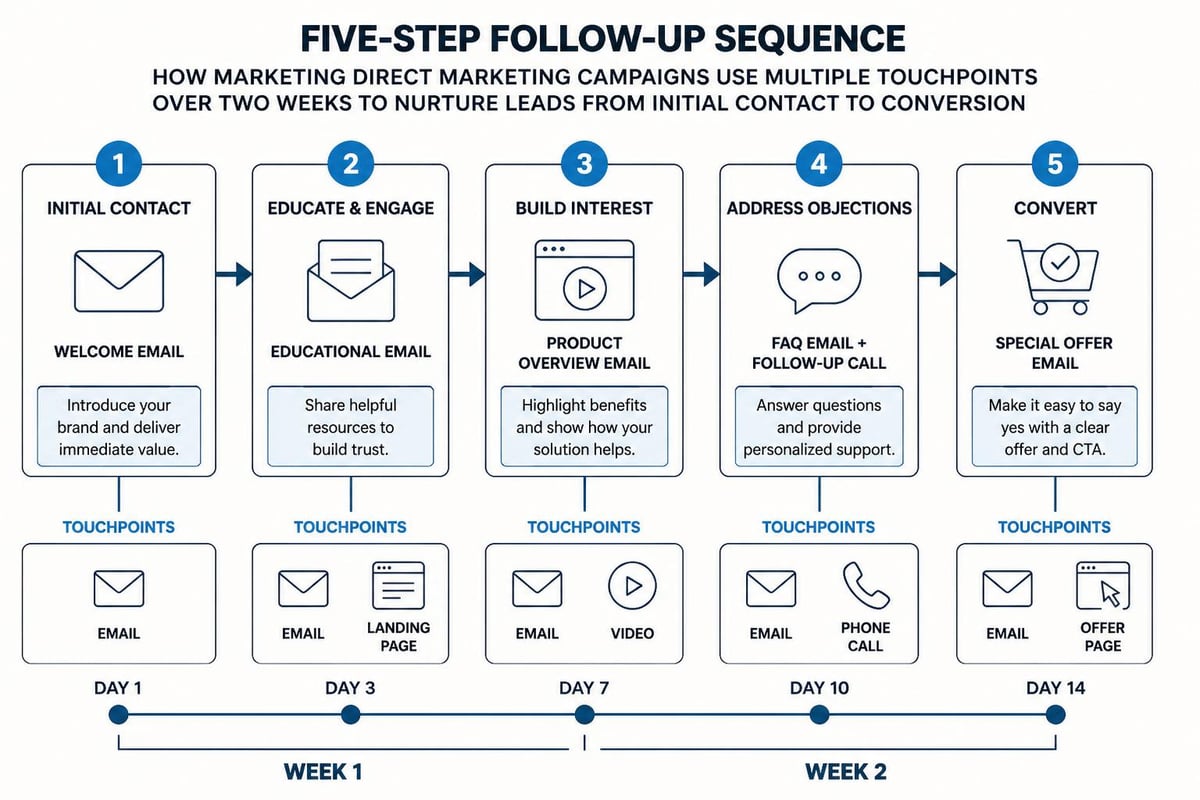
Most direct marketing fails not because the initial message was bad, but because there was no follow-up. One email isn’t enough. One letter isn’t enough. People are busy. They forget. They get distracted.
A proper follow-up sequence might include:
- Initial contact with the offer
- Value-add email three days later
- Case study or proof point one week in
- Direct call or personalised message at day 10
- Final reminder before the offer expires
Each touchpoint reinforces the message and gives people another chance to engage. Data-driven direct marketing strategies emphasise the power of multiple contacts, especially when they’re personalised based on previous behaviour.
Choosing the Right Channels for Direct Marketing
Not every channel works for every business. The key is matching the channel to your audience’s behaviour and your ability to execute well.
Email: The Workhorse of Direct Marketing
Email remains the most cost-effective channel for most service businesses. It’s scalable, trackable, and integrates easily into your CRM. The challenge is deliverability and engagement. Inboxes are crowded. People are ruthless with the delete button.
To stand out:
- Use clear, benefit-driven subject lines
- Segment your list by interest and behaviour
- Test send times and frequencies
- Personalise beyond just the first name
- Track opens, clicks, and conversions in your CRM
Direct Mail: The Unexpected Comeback
Physical mail has made a comeback precisely because inboxes are so crowded. When done well, direct mail gets noticed. It sits on desks. It gets passed around. Top direct mail marketing best practices highlight the importance of quality design, personalisation, and integration with digital channels.
The trick is making mail part of a larger sequence, not a standalone piece. Mail to introduce. Email to follow up. Call to close.
SMS: The High-Risk, High-Reward Option
SMS has incredible open rates (over 90% in most industries) but carries serious risk if you get it wrong. People are protective of their mobile numbers. Send irrelevant messages and you’ll get blocked fast.
Use SMS sparingly:
- Time-sensitive offers
- Appointment reminders
- Critical updates
- High-value opportunities
Always make opting out simple. Respect the channel.
Measuring Success in Direct Marketing
You can’t improve what you don’t measure, but most businesses track the wrong things. Vanity metrics feel good but don’t drive decisions.
Metrics That Actually Matter
Focus on these:
| Metric | What It Tells You | Why It Matters |
|---|---|---|
| Response Rate | Percentage who took action | Measures message effectiveness |
| Cost Per Lead | What you paid for each response | Determines campaign profitability |
| Conversion Rate | Leads who became customers | Shows follow-up and offer quality |
| Customer Acquisition Cost | Total spend divided by new customers | Reveals true campaign ROI |
| Lifetime Value | Total revenue per customer | Justifies acquisition spending |
When you know these numbers, you can make smart decisions. Double down on what works. Kill what doesn’t. Test new approaches based on data, not gut feel.
Using Your CRM to Close the Loop
Your CRM should connect your marketing and direct marketing efforts to actual revenue. When someone responds to a campaign, that information flows into their contact record. When they become a customer, you can trace it back to the specific message that started the conversation.
This isn’t just useful for reporting. It tells you which messages work, which lists respond, and which sequences convert. Over time, you build a library of proven assets that you can deploy again and again.
The marketing systems approach we use at MDO Digital centres on this kind of closed-loop tracking. Every lead source is tagged. Every conversion is attributed. Every campaign is measured against clear benchmarks.
Common Mistakes in Direct Marketing
Even experienced marketers make these errors. Avoid them and you’re already ahead of most competitors.
Mistake One: Buying Lists Without Qualification
Not all lists are created equal. A cheap list full of outdated contacts wastes time and damages your sender reputation. Case studies from successful direct marketing campaigns consistently show that smaller, highly targeted lists outperform large, generic ones.
Mistake Two: Ignoring the Follow-Up
You spent money getting someone’s attention. Don’t waste it by going silent after one message. Build sequences that nurture interest over weeks, not days.
Mistake Three: Treating Channels as Silos
Email shouldn’t exist separately from mail, SMS, or your website. They’re all part of one system. A person might see your direct mail piece, visit your website, and then sign up via email. If those systems don’t talk to each other, you’ve lost the thread.
Mistake Four: Making It About You Instead of Them
No one cares about your awards, your years in business, or your company values until they know you can solve their problem. Lead with their pain. Show you understand. Then prove you can help.
Mistake Five: Not Testing
The difference between good and great in direct marketing often comes down to testing. Test subject lines. Test offers. Test timing. Test formats. Small improvements compound into big results over time.
Integrating Direct Marketing Into Your Broader Strategy
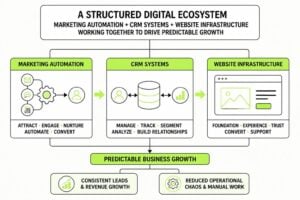
Direct marketing isn’t a replacement for other channels. It’s part of a complete system. Your digital marketing efforts should feed your direct campaigns and vice versa.
Someone might discover you through content marketing, engage with your social posts, and then receive a personalised direct mail piece because they visited a specific page on your site. That’s not creepy. That’s smart marketing.
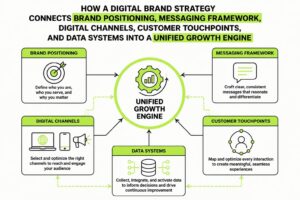
The businesses that win are the ones who connect these dots. Who build systems where every channel supports the others. Where data flows freely. Where the customer experience feels cohesive instead of fragmented.
Best practices for integrating direct mail with digital strategy emphasise the power of multi-channel reinforcement. When people see your message in multiple places, trust builds faster and response rates climb.
Building Direct Marketing Sequences That Convert
A sequence is just a series of messages sent over time, each building on the last. The structure matters more than the individual messages.
Here’s a proven framework:
- Awareness: Introduce the problem and position yourself as someone who understands it
- Education: Share insights, case studies, or frameworks that demonstrate expertise
- Offer: Present your solution with clear benefits and a specific call to action
- Urgency: Add a time-based or scarcity-based reason to act now
- Close: Make it easy to say yes and remove final objections
Each stage should be mapped to specific messages across specific channels. You might use email for education, direct mail for the offer, and a phone call for the close.
The businesses that execute this well don’t just get more leads. They get better leads who are further along the buying journey and more likely to convert.
What Good Direct Marketing Looks Like in Practice
Let’s get specific. A B2B consulting firm targeting mid-sized manufacturers might run a campaign like this:
They buy a list of decision-makers at companies with 50 to 200 employees in specific industries. They send a dimensional mail piece (a box with a useful tool inside) that ties to a problem those manufacturers face. The mail piece includes a QR code and a URL that leads to a landing page with a free diagnostic tool.
When someone completes the tool, they enter a CRM-driven email sequence that delivers the results, adds commentary, shares a case study, and eventually offers a free consultation. Two weeks in, they receive a follow-up postcard referencing the tool they used. Three weeks in, a salesperson makes a personalised call.
Every touchpoint is tracked. Every interaction is recorded. The cost per qualified lead is known. The conversion rate from consultation to project is measured. The ROI is clear.
That’s marketing direct marketing done right. It’s not magic. It’s systems.
Moving From Campaigns to Systems
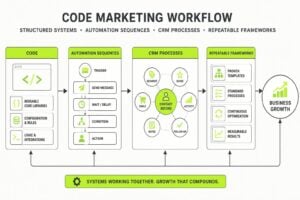
The shift from thinking in campaigns to thinking in systems changes everything. Campaigns have a start and end. Systems run continuously, getting smarter and more effective over time.
A system approach means:
- Building reusable assets (templates, sequences, lists) that can be deployed repeatedly
- Tracking performance at a granular level so you know what works
- Automating follow-up so nothing falls through the cracks
- Continuously testing and optimising based on real data
- Integrating all channels into a cohesive customer journey
This is where most businesses struggle. Not because they don’t understand marketing direct marketing conceptually, but because they lack the infrastructure to execute consistently. They’re missing the CRM setup. The automation workflows. The tracking architecture.
The good news is that once you build it, it compounds. Every campaign teaches you something. Every sequence gets refined. Every list gets smarter. You’re not starting from scratch each time.
The Role of Personalisation in Modern Direct Marketing
Generic messages are dead. In 2026, people expect you to know who they are and what they care about. Not in a creepy way. In a relevant way.
Personalisation starts with data. What industry are they in? What size is their business? What pages have they visited on your site? What emails have they opened? What problems have they indicated through their behaviour?
Use that data to tailor your message. Reference their specific situation. Highlight case studies from similar businesses. Speak to the outcomes they care about most.
Detailed guidance on data-driven personalisation shows that campaigns with dynamic content based on recipient data consistently outperform generic versions by 30% or more.
But personalisation isn’t just about merge fields. It’s about relevance. Sending the right message at the right time based on where someone is in their journey.
Direct marketing works when you treat it as a system rather than a tactic. Build clean lists, create valuable offers, track everything, and follow up consistently. The businesses that do this create predictable demand instead of hoping for results. If you’re ready to build marketing infrastructure that actually converts attention into revenue, MDO Digital can help you design the systems, connect the tools, and remove the chaos that’s holding you back.