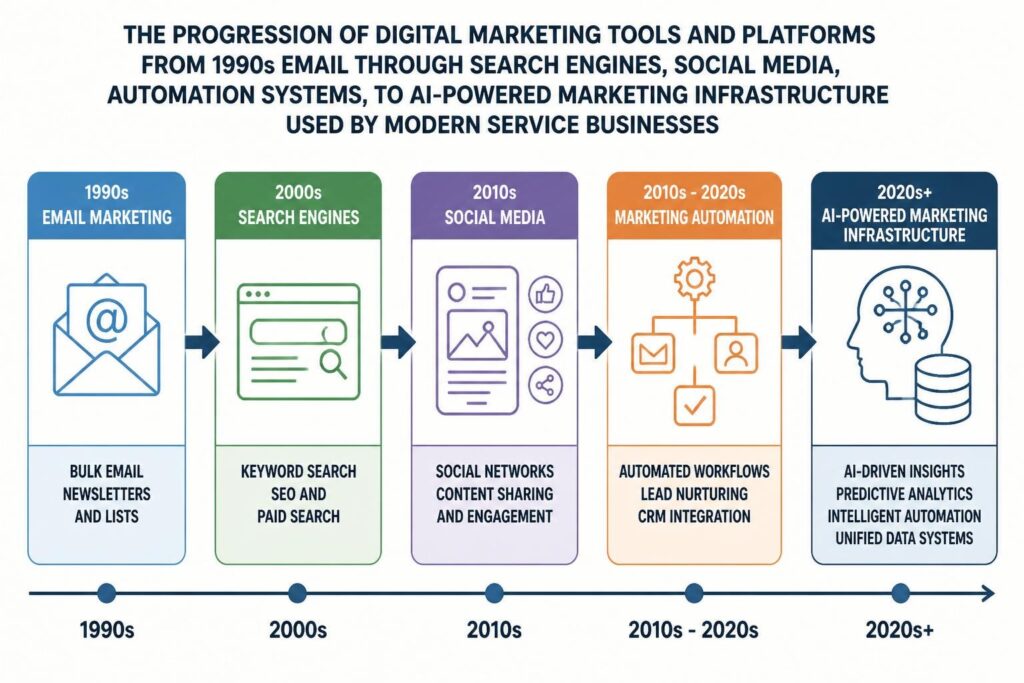
Digital marketing didn't arrive fully formed. It started with basic email blasts and static websites, then grew into something far more sophisticated. The evolution of digital marketing mirrors the way we've shifted from broadcasting messages into the void to building actual systems that track, nurture, and convert attention into revenue. For service-based businesses today, understanding this progression isn't just historical curiosity. It's about recognising which tools actually compound growth and which ones just add noise to your week.
The Early Days: Email and Websites That Just Sat There
The evolution of digital marketing began properly in the early 1990s when businesses first realised the internet wasn't just for academics and tech nerds. Email marketing arrived first, clunky and unsophisticated by today's standards, but revolutionary at the time.
When Static Websites Were Enough
Between 1994 and 2000, having a website at all put you ahead of most competitors. These sites didn't do much:
- Display basic company information
- List contact details
- Show product catalogues
- Sit there waiting for people who already knew you existed
No tracking. No analytics worth mentioning. No way to capture leads unless someone picked up the phone. The history of digital marketing from this era shows how limited the toolset was, yet businesses were already seeing the potential.
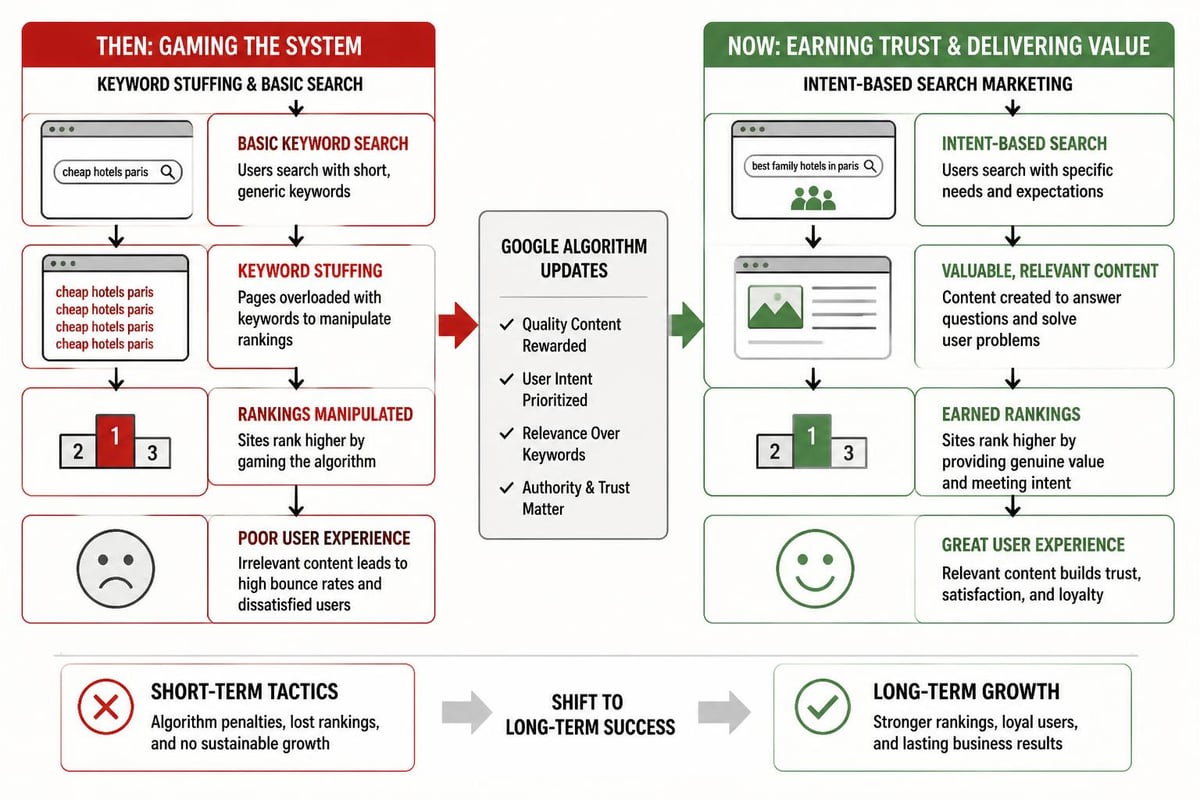
Search engines existed, but SEO was primitive. You could stuff keywords into white text on a white background and rank. It worked until it didn't.
Search Engines Changed the Game Entirely
Google launched in 1998 and spent the next decade teaching businesses a hard lesson: you can't trick your way to attention. The evolution of digital marketing accelerated sharply once search became the primary way people found solutions.
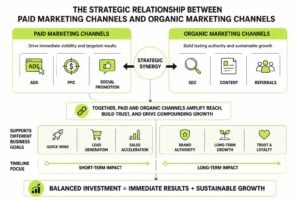
By the mid-2000s, businesses started understanding organic search as a long-term asset. Pay-per-click advertising through Google AdWords gave smaller operators a way to compete without massive media budgets. You could target specific search intent and only pay when someone clicked.
This shifted everything. Marketing became measurable. You could see exactly how much a click cost, which keywords converted, and what your return looked like. The chaos started here too, because suddenly everyone had access to the same tools without necessarily understanding how to use them properly.
| Era | Primary Tactic | Measurement | Key Limitation |
|---|---|---|---|
| 1990s | Email blasts, static sites | Open rates (unreliable) | No targeting, no tracking |
| Early 2000s | SEO keyword stuffing, banner ads | Impressions, basic clicks | Gaming the system worked too well |
| Mid 2000s | Google AdWords, content marketing | Click-through rates, conversions | Expensive learning curve |
| Late 2000s | Social media, video content | Engagement metrics | Vanity metrics dominated |
Social Media Promised Community, Delivered Distraction
The evolution of digital marketing took another turn between 2006 and 2012 when social platforms became business tools. Facebook, Twitter, LinkedIn, and later Instagram convinced businesses they needed to "join the conversation" and "build community."
Some of this worked. Social proof became real. Customer service moved public. Brands could show personality beyond corporate speak.
But the promise outpaced the reality for most service businesses. Posting three times a day didn't automatically translate to booked calls. Understanding the evolution of digital marketing during this period shows how many businesses wasted years chasing likes instead of building systems that actually converted attention into clients.
What Actually Worked on Social Platforms
- Targeted advertising with demographic and interest filters
- Retargeting campaigns that followed website visitors
- Direct response ads that sent people to opt-in pages, not just brand awareness posts
- Video content that educated rather than entertained
The businesses that treated social as a distribution channel, not a community centre, tended to see better returns. This is where marketing strategy started splitting into two camps: those building systems and those just staying busy.
Automation and CRM Infrastructure Arrived
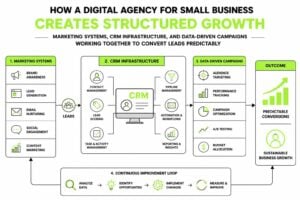
Around 2010, the evolution of digital marketing started favouring businesses that could build proper infrastructure. Marketing automation platforms, CRM systems, and email sequences changed what was possible without hiring huge teams.
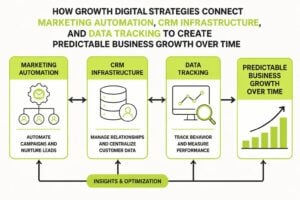
This mattered because it meant you could nurture leads over time. Someone who wasn't ready to buy today could be gently educated over weeks or months until they were. The technology existed to segment audiences, personalise messages, and trigger campaigns based on specific behaviours.
Most businesses didn't use it well. They bought the tools, set up one or two basic sequences, then let everything gather dust. The ones who invested in proper setup saw compounding returns. Every lead got captured. Every interaction got tracked. Nothing fell through the cracks.
Building Systems That Actually Protect Revenue
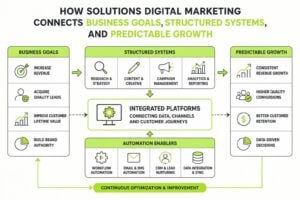
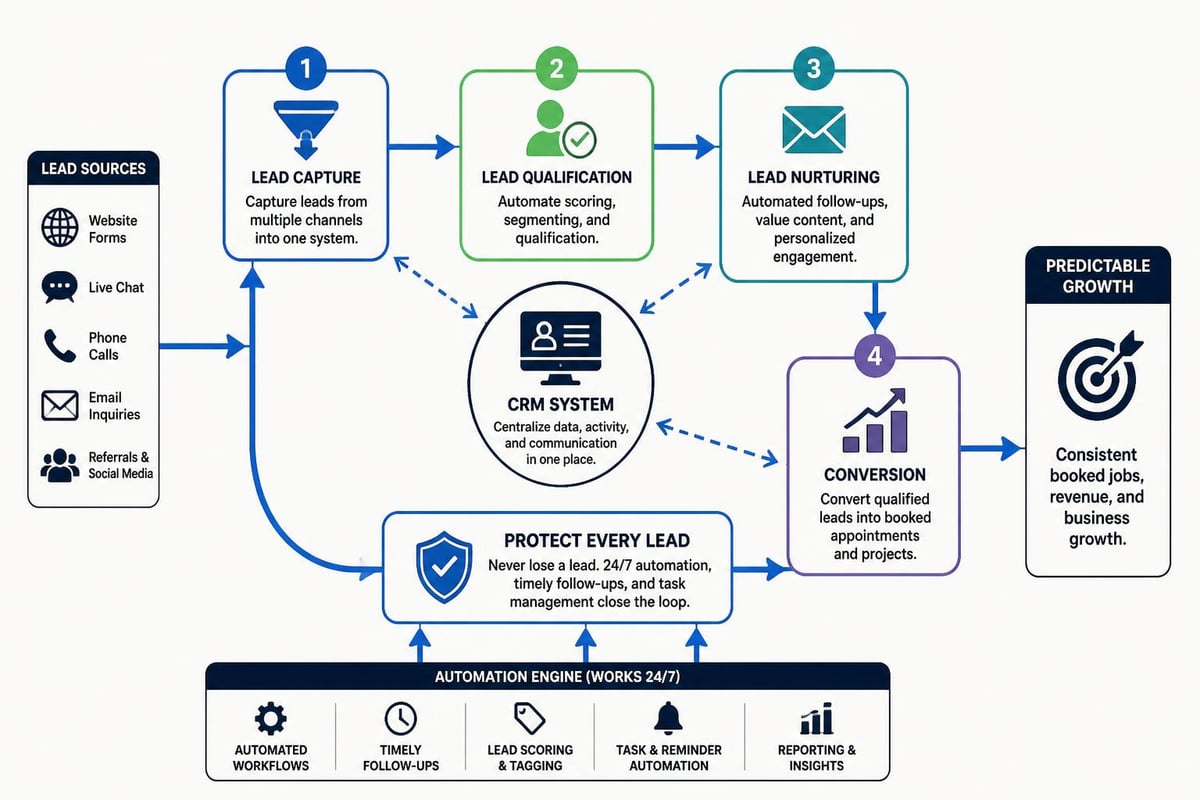
The shift from campaign thinking to systems thinking represents one of the most important phases in the evolution of digital marketing. Instead of launching disconnected tactics, smart operators started building infrastructure:
- Lead capture mechanisms on every relevant page
- CRM systems that tracked every interaction and conversation
- Nurture sequences that educated prospects over time
- Pipeline management that showed exactly where revenue was stuck
- Reporting dashboards that revealed what actually drove growth
For service-based businesses especially, this infrastructure became the difference between chaotic growth and predictable scaling. When you're trading time for money, you can't afford to let qualified leads disappear because someone forgot to follow up.
The 7-Step Marketing Plan approach emerged from this era, giving businesses a framework to build these systems step by step rather than trying to implement everything at once. Each component feeds into the next, creating a flywheel rather than a treadmill.

Content Marketing Matured From Blogging to Strategic Assets
Between 2012 and 2020, content marketing became the dominant strategy for businesses that couldn't outspend competitors on advertising. The evolution of digital marketing here was less about new technology and more about strategic thinking.
Writing blog posts wasn't enough. You needed content that ranked for search terms people actually used when they had problems you could solve. You needed formats that addressed different stages of awareness. You needed systems to convert readers into leads, not just hope they'd remember your name.
The businesses winning with content understood a few core principles:
- Search intent matters more than keyword volume
- Depth beats frequency when you're building authority
- Distribution is half the work, not an afterthought
- Conversion paths need to be obvious, not clever
This period also saw the rise of gated content, lead magnets, and opt-in offers. The trade became clear: give someone genuinely useful information in exchange for contact details, then nurture that relationship over time. Digital and content marketing evolved from megaphones to conversations with measurable outcomes.
| Content Type | Best For | Key Metric | Common Mistake |
|---|---|---|---|
| Blog articles | SEO, authority building | Organic traffic, time on page | Writing for you, not the reader |
| Case studies | Late-stage conversion | Read-through rate, contact form fills | Being vague about results |
| Email courses | Lead nurture, education | Open rates, click-through to offers | Over-teaching, under-selling |
| Video content | Engagement, social distribution | Watch time, shares | Production over message |
Data, Privacy, and the End of Easy Tracking
The most recent phase in the evolution of digital marketing involves dealing with constraints rather than opportunities. iOS privacy updates, cookie deprecation, GDPR, and increasing ad costs have made the old playbook less effective.
This forced a return to fundamentals. When you can't track every interaction across the internet, you need to own more of the relationship. First-party data became critical. Email lists, CRM databases, and direct relationships matter more than rented attention on platforms you don't control.
Businesses that built proper infrastructure early adapted smoothly. Those that relied entirely on Facebook pixel tracking and third-party cookies scrambled. The evolution of digital marketing strategies through this period shows a clear divide between operators who owned their audience and those who were just renting eyeballs.
What Works Now in 2026
- Building first-party data assets through opt-ins and CRM systems
- Creating high-trust websites that convert cold traffic without needing retargeting
- Running campaigns that work on higher cost-per-click because your conversion infrastructure is tight
- Focusing on lifetime value rather than just acquisition cost
- Integrating all your tools so data flows between platforms automatically
The chaos in digital marketing now isn't from lack of tools. It's from having too many disconnected pieces. Service businesses particularly struggle here because you're already busy delivering the work. Marketing and business development now requires systems that run without constant manual intervention.
AI and Automation Are Reshaping Everything Again
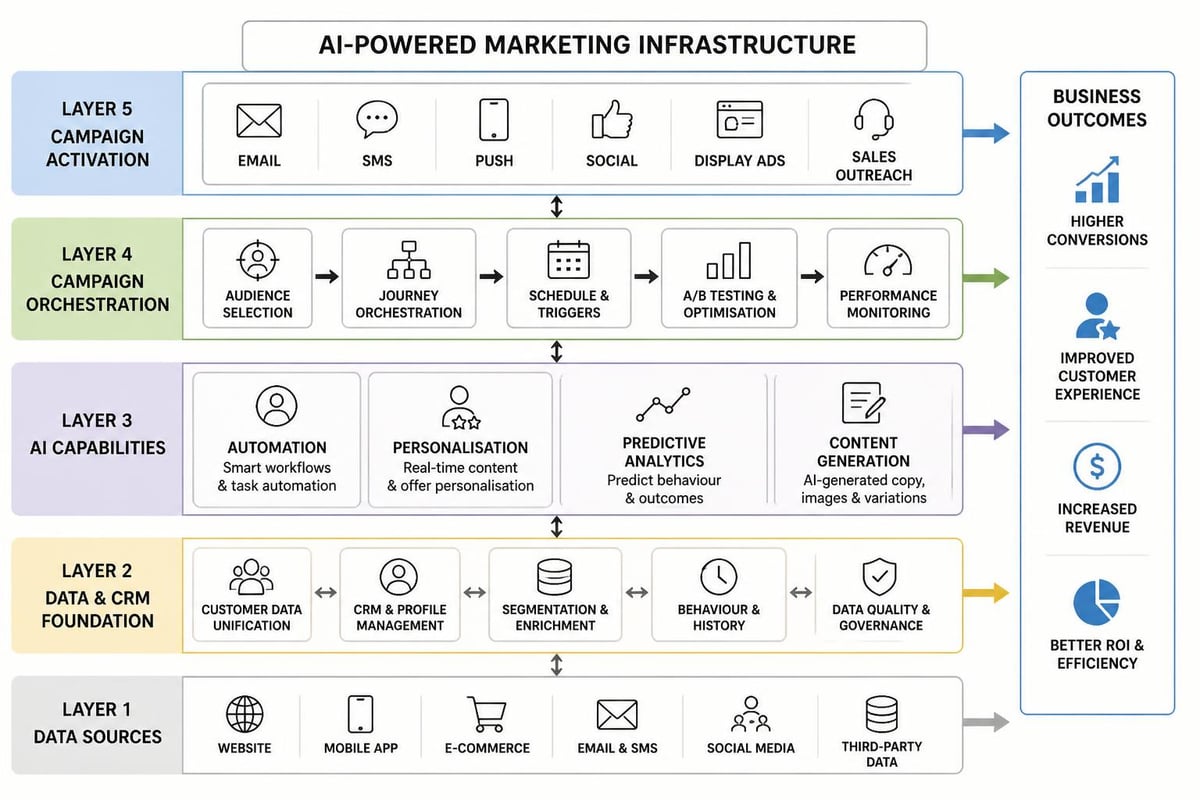
The current evolution of digital marketing is being driven by artificial intelligence and increasingly sophisticated automation. This isn't science fiction anymore. It's practical tools that personalise experiences, predict behaviour, and remove repetitive work.
AI can now:
- Write initial drafts of content based on specific guidelines
- Personalise email subject lines and content for different segments
- Predict which leads are most likely to convert
- Optimise ad spend across platforms automatically
- Generate images and creative assets at scale
- Analyse customer conversations to identify patterns
The risk is the same as every previous shift. Businesses buy the tools without understanding the strategy. They automate chaos instead of building proper systems first. Recent analysis of digital marketing evolution shows that AI amplifies what you already have. If your processes are sound, AI makes them better. If they're broken, AI just breaks things faster.
The Trap of Shiny Object Syndrome
Every new platform, tool, or tactic promises to be the answer. The evolution of digital marketing is littered with businesses that chased every trend and built nothing lasting. TikTok might work brilliantly for some businesses and waste time for others. The same goes for Clubhouse, podcasting, NFTs, or whatever emerges next year.
The fundamentals don't change:
- Understand who you're trying to reach and what problem you solve for them
- Get their attention through channels they actually use
- Offer something valuable in exchange for contact information
- Nurture that relationship over time with relevant, helpful content
- Make buying from you straightforward and low-friction
- Deliver an experience that generates referrals and repeat business
These steps worked in 1998. They work in 2026. The tools for executing them have changed dramatically, but the strategic framework remains solid. Digital branding solutions that work are built on these foundations, not on chasing the latest platform.
Where Service Businesses Get Stuck
The evolution of digital marketing has created more options than most service-based businesses can reasonably execute. You could be running Google Ads, Meta advertising, LinkedIn campaigns, SEO content, email sequences, social media posting, video marketing, and partnership programs all at once.
Most businesses can't. Trying to do everything means doing nothing well. The winners pick channels that match how their clients actually buy, then build systems that protect every lead and create predictable demand.
Common Failure Points in 2026
- No clear offer that makes opting in obvious and valuable
- Disconnected tools that don't share data or trigger based on behaviour
- No nurture system so leads who aren't ready today just disappear
- Weak conversion infrastructure that relies on retargeting instead of strong initial conversion
- No feedback loop connecting what marketing does to what actually drives revenue
Fixing these issues doesn't require more tools. It requires better systems. The businesses scaling reliably in 2026 have clean data, automated nurture, and clear visibility into what's working. They're not doing more marketing. They're doing it more systematically.
The Pattern Across Three Decades
Looking at the full evolution of digital marketing from 1990 to 2026, a clear pattern emerges. Every new technology or platform creates opportunity for early adopters. Then it gets crowded. Then it requires more sophistication to stand out. Then the next thing arrives and the cycle repeats.
The businesses that survive each cycle are the ones who:
- Build systems, not campaigns
- Own their audience data and relationships
- Focus on conversion infrastructure before traffic volume
- Measure what actually drives revenue, not vanity metrics
- Adapt tools to strategy, not strategy to tools
This isn't about being an early adopter or a late majority. It's about building marketing systems that compound over time regardless of which platforms rise or fall. Email still works. Search still works. Referrals still work. Good websites still convert. The tactics evolve, but the strategic foundations remain remarkably stable.
The chaos in digital marketing comes from treating every tactic as separate rather than building integrated systems. When your CRM talks to your email platform, which triggers based on website behaviour, which feeds your reporting dashboard, which informs your advertising decisions, you've built something that creates predictable growth. That's been true throughout the entire evolution of digital marketing, and it'll remain true through whatever comes next.
The evolution of digital marketing shows us that tools change but systems win. For service businesses trying to scale past the chaos of manual follow-up and disconnected campaigns, the path forward isn't more tactics but better infrastructure. MDO Digital helps businesses build the CRM systems, automation workflows, and high-trust websites that turn attention into predictable demand. If you're ready to stop chasing platforms and start building systems that compound, MDO Digital can help you get there.