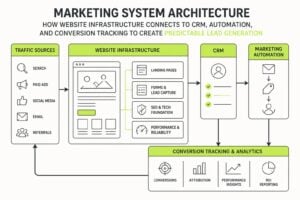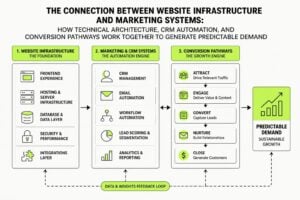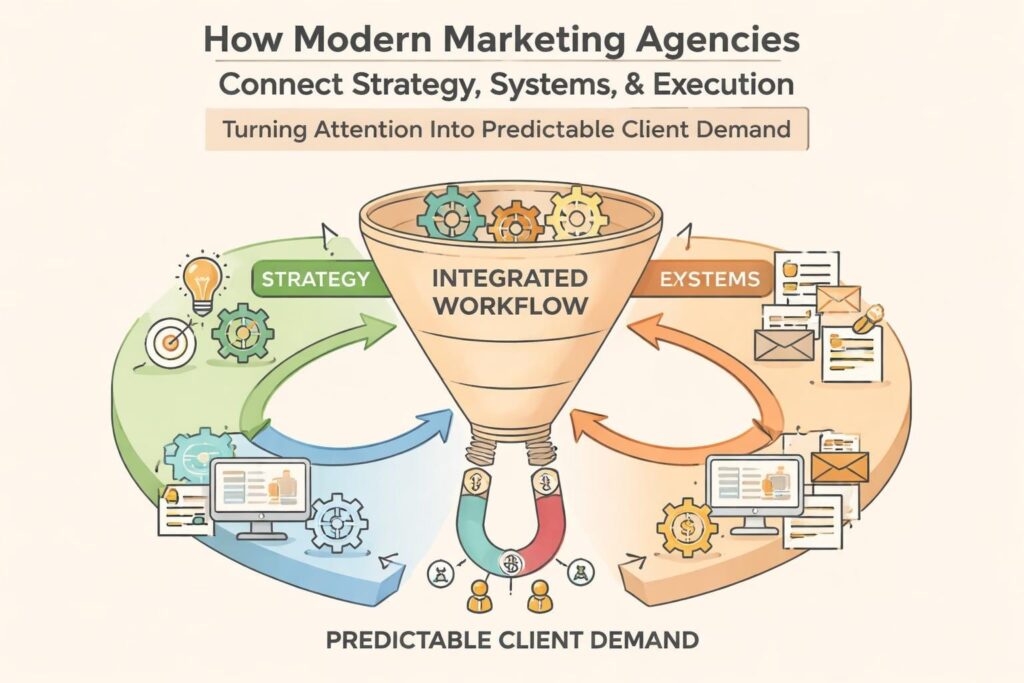
The marketing agency you worked with in 2018 is not the one you need in 2026. The fundamentals haven't changed, what people want is still attention, trust, and conversion, but how the marketing agency delivers those outcomes has shifted completely. Systems matter more than tactics. Data infrastructure beats ad creative. And the businesses that grow are the ones that treat marketing as architecture, not decoration.
What The Marketing Agency Actually Does Now
The role of the marketing agency has compressed and expanded at the same time. Compressed because generic services are now commoditized. Expanded because the businesses that win need integrated systems that connect every touchpoint from first click to repeat purchase.
The modern marketing agency builds three things:
- Infrastructure that captures, qualifies, and routes leads without leaking value
- Brand systems that create recognition and trust before the first conversation
- Execution frameworks that turn strategy into repeatable, measurable actions
This isn't about running ads or posting on social. Those are outputs. The marketing agency worth paying builds the machine that makes those outputs productive. According to exclusive data from over 220 agency leaders, the shift toward integrated systems and AI-enhanced workflows is now the baseline expectation, not a competitive advantage.
The Infrastructure Problem
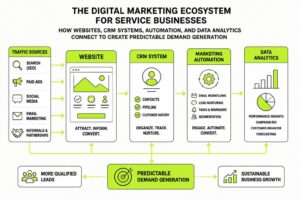
Most businesses don't have a marketing problem. They have a systems problem. Leads come in through five different channels. Half get lost in email. A quarter never get followed up. The CRM is a graveyard of unqualified contacts. The marketing agency that just runs more ads into this mess is lighting money on fire.
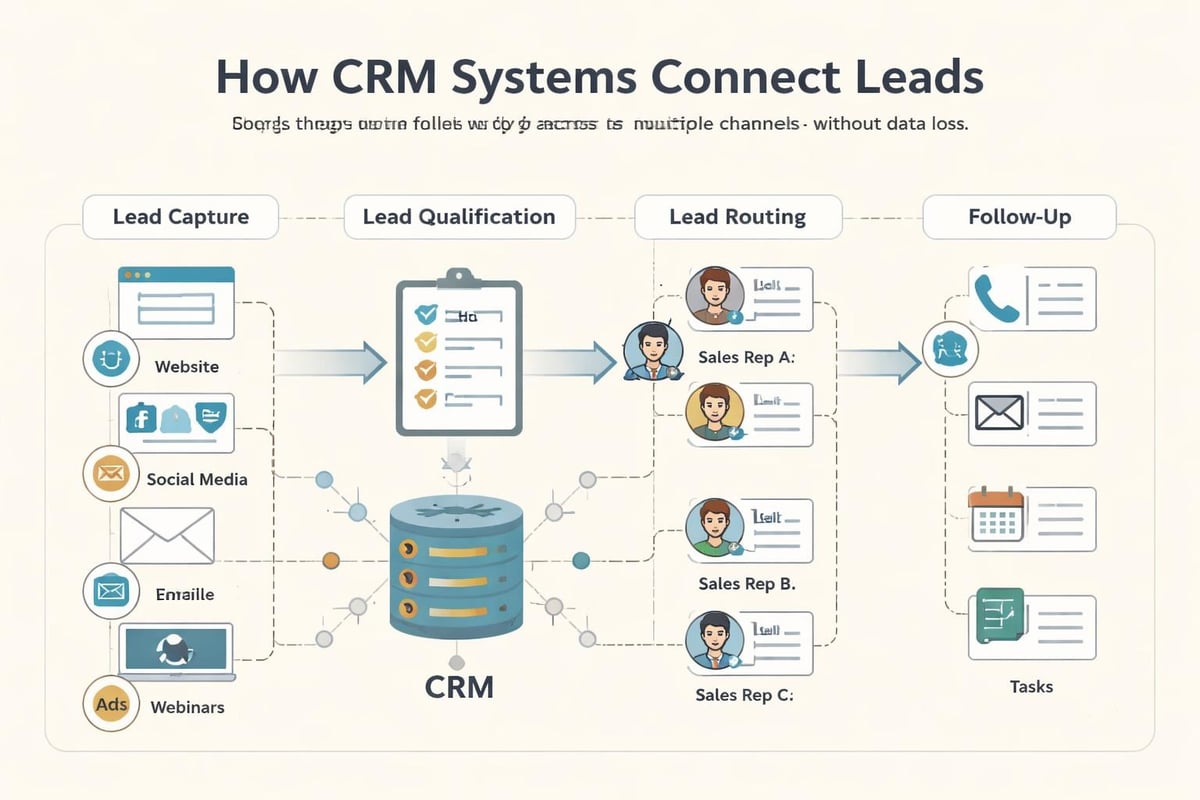
Real growth starts with clean pipes. That means:
- Lead capture that works across every channel and feeds one system
- Qualification workflows that score and route based on behaviour and fit
- Automation that nurtures, reminds, and escalates without manual work
- Reporting that shows what's working in language business owners understand
The marketing agency that builds this for you is solving the actual constraint. More traffic doesn't help if your conversion infrastructure is broken. Running a successful marketing agency requires the same discipline internally, lead scoring, CRM discipline, and process documentation that clients need.
Why Brand Systems Beat Campaign Thinking
Campaigns end. Systems compound. The marketing agency that pitches you a six-week campaign is thinking in the wrong time frame. What you need is a brand system that builds equity every time someone interacts with your business.
A brand system includes:
- Visual identity that signals professionalism and category positioning
- Messaging architecture that explains what you do and why it matters in seconds
- Touchpoint design that creates consistent experience across web, email, and sales
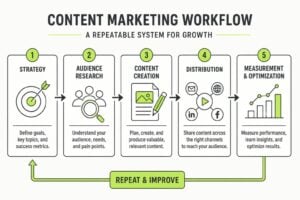
- Content frameworks that turn expertise into trust assets
This is where branding becomes infrastructure, not aesthetics. The marketing agency that understands this difference designs websites that convert, not just look good. They write copy that qualifies, not just informs. They build email sequences that move people through stages, not just broadcast offers.
| Brand Element | Campaign Approach | Systems Approach |
|---|---|---|
| Website | Landing page for this offer | Lead qualification and conversion hub |
| Promotional blasts | Nurture sequences based on behaviour | |
| Content | Support this launch | Build category authority over time |
| Design | Match this aesthetic | Signal trust and professionalism consistently |
The Conversion Architecture
The marketing agency you hire should be able to walk you through your conversion path and identify every leak. This means understanding:
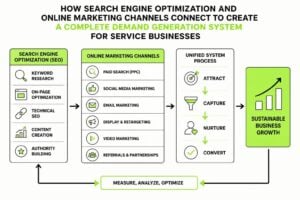
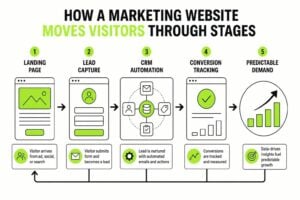
- Where traffic comes from and what intent it carries
- How your website qualifies and routes different visitor types
- What happens to leads that aren't ready now but might be in three months
- How your CRM tracks pipeline and attributes revenue to source
Most agencies can't answer these questions because they only control one piece. They run ads but don't touch the website. They design the site but don't integrate the CRM. They create content but don't track how it influences deals. The result is disconnected tactics that don't compound.
Marketing and business development should be one conversation, not two departments. The marketing agency that gets this builds systems where marketing outputs become sales inputs without friction.
The Data Layer Nobody Talks About
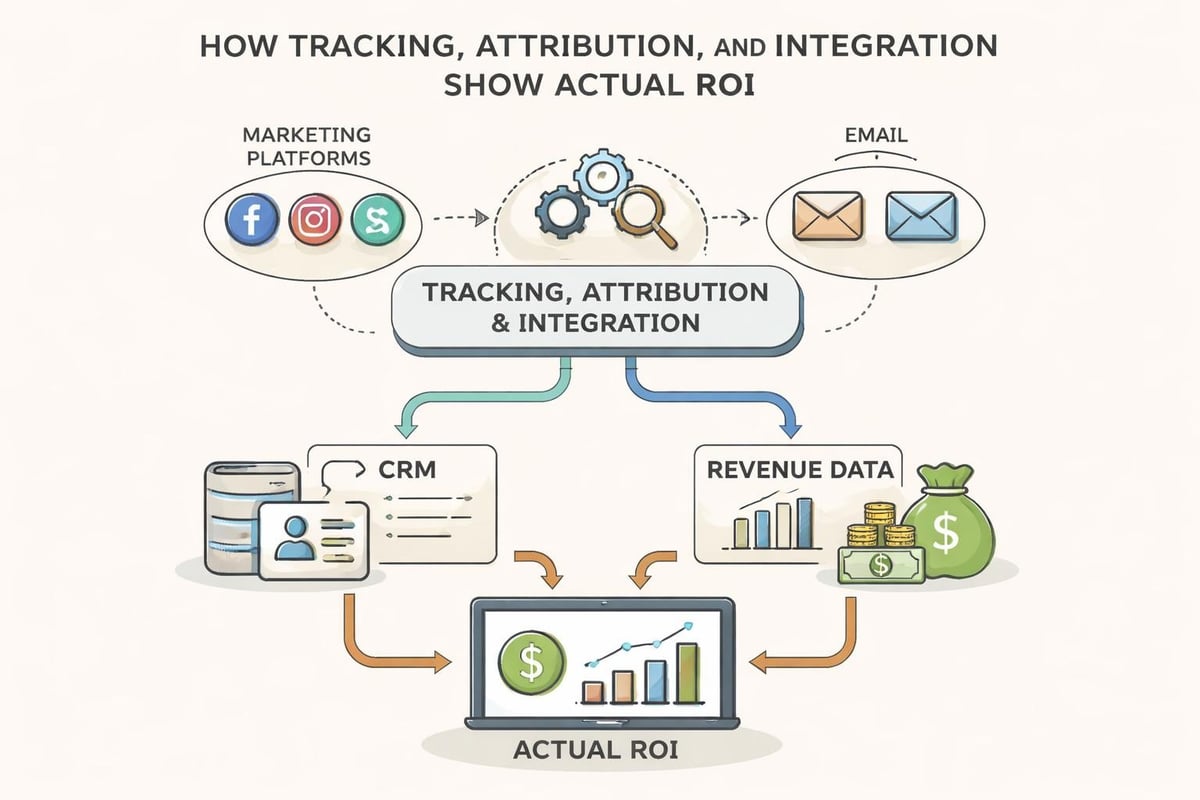
Here's what the marketing agency won't tell you unless they actually do systems work: most marketing data is garbage. It's incomplete, incorrectly attributed, or sitting in five different platforms that don't talk to each other.
You can't optimize what you can't measure. And you can't measure what isn't connected.
The data layer is the foundation that makes everything else work:
- Tracking that follows the customer journey across sessions and devices
- Attribution that shows which channels and content drive actual pipeline
- Integration that connects marketing platforms to CRM and financial data
- Reporting that surfaces insights, not just vanity metrics
According to Keevee’s 2025 statistics, AI-driven marketing tools are now standard, but they're only useful if your data is clean. The marketing agency that helps you build this foundation first will deliver better results than the one that jumps straight to execution.
What Good Tracking Looks Like
Good tracking isn't complicated. It's deliberate. Every link has a UTM parameter. Every form submission triggers a CRM update. Every email open and click gets logged. Every website session connects to a contact record if known.
This sounds basic, but most businesses don't have it. The marketing agency that sets this up properly creates a foundation where optimization becomes possible. You can see which content moves deals forward. Which channels deliver qualified leads. Which campaigns generate revenue, not just clicks.
Digital marketing without clean data is just expensive guessing. The agencies that win in 2026 are the ones that treat data infrastructure as seriously as creative.
The Execution Problem
Strategy is easy. Everyone's got a strategy. The marketing agency that actually delivers results is the one that turns strategy into repeatable execution without burning out your team.
This means:
- Documented processes for every recurring task
- Templates and frameworks that maintain quality while reducing effort
- Automation that handles repetition so humans can focus on judgment
- Feedback loops that improve systems based on performance data
Most agencies sell you the strategy document and then disappear. Or they execute but never build internal capacity, so you're dependent forever. The better model is systems transfer. The marketing agency builds it, runs it with you, then hands over the operating model so you can scale it internally.
The Build-Run-Transfer Model
Here's how execution should work:
| Phase | Agency Role | Client Role | Outcome |
|---|---|---|---|
| Build | Design system, set up tools | Define goals, provide access | Working infrastructure |
| Run | Execute, optimize, report | Review data, provide feedback | Performance and learning |
| Transfer | Document, train, support | Take ownership, operate | Internal capability |
This model works because it aligns incentives. The marketing agency succeeds when you succeed independently, not when you stay dependent. It also creates compound value. Each system built adds to your capacity instead of just filling a gap.
Marketing systems that transfer well are the ones built with clarity from the start. No black boxes. No proprietary magic. Just clean architecture you can understand and operate.
What To Look For When Hiring
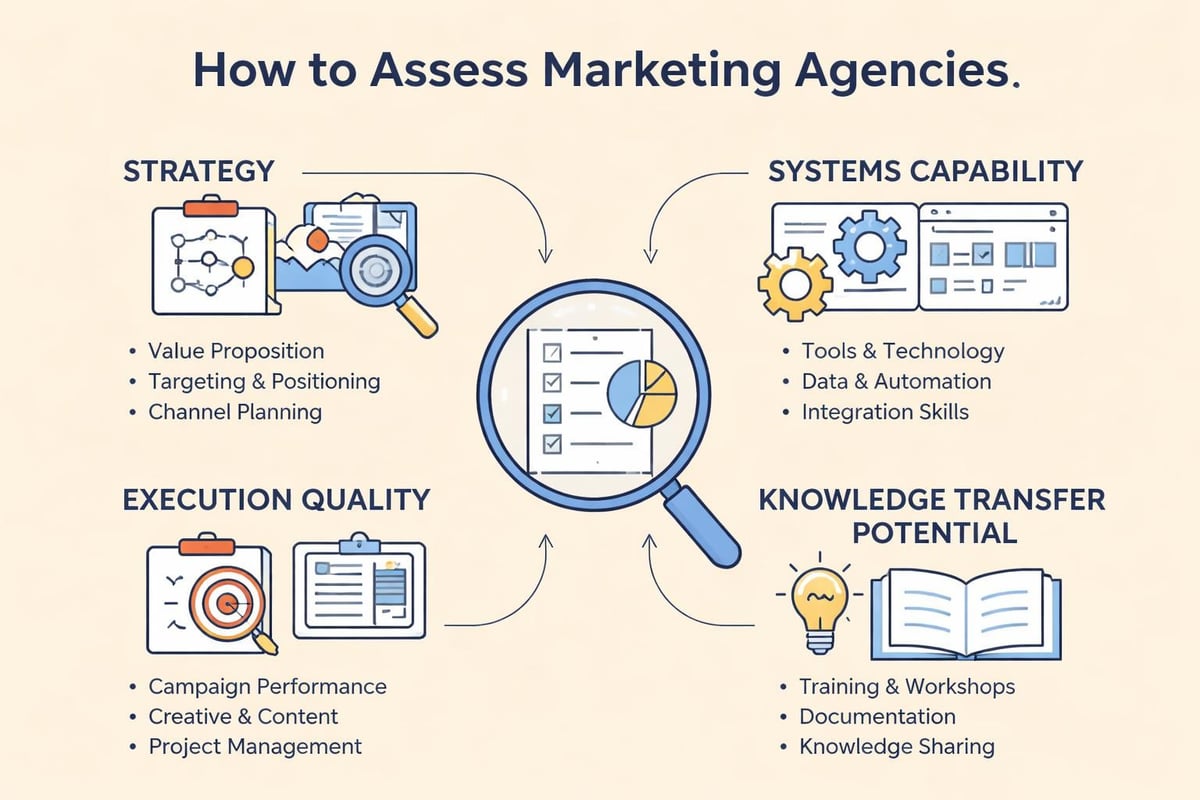
The marketing agency landscape is crowded with generalists who do a bit of everything and specialists who do one thing deeply. Neither is wrong, but you need to know which you're hiring and why.
Questions that reveal competence:
- Walk me through how you'd set up lead qualification for our business
- What CRM and automation tools do you recommend and why?
- How do you attribute marketing performance to revenue?
- What does your reporting look like and how often do we review it?
- How do you handle the transition from campaign to owned system?
If they can't answer these clearly, they're probably not systems-focused. That's fine if you just need tactical execution, but it won't solve the deeper constraints that limit growth.
Research from Aviaan Accounting shows the marketing agency market is consolidating around firms that can deliver integrated solutions, not point services. The trend is clear: businesses want partners who understand the full stack.
The Pricing Structure Question
How the marketing agency prices its work tells you how they think. Project-based pricing works for campaigns. Retainer models work for ongoing execution. Value-based pricing works when the agency ties its compensation to your outcomes.
Each model fits different needs:
- Project: Website redesign, CRM setup, brand development
- Retainer: Content production, ad management, ongoing optimization
- Value-based: Growth partnerships where agency success ties to client revenue
The best fit depends on your maturity and goals. Early-stage businesses often need project work to build foundations. Growing businesses need retainer support for consistent execution. Mature businesses might explore value partnerships where the agency has skin in the game. Understanding marketing agency pricing helps you evaluate proposals and align expectations.
The Integration Challenge
The hardest part of working with the marketing agency isn't the strategy or even the execution. It's integration with your existing operations. Marketing doesn't exist in a vacuum. It connects to sales, customer success, product, and finance.
Common integration points that break:
- Marketing captures leads, sales doesn't follow up consistently
- CRM data is incomplete, attribution becomes impossible
- Campaign messaging doesn't match sales conversations
- Customer feedback doesn't flow back to marketing content
The marketing agency that solves integration doesn't just deliver marketing outputs. They map the handoffs, identify the breakage points, and build workflows that connect departments. This is systems thinking applied to the whole business, not just the marketing function.
Gray Group International emphasizes that process optimization and integrated service offerings are now table stakes for agencies that want to drive real business growth, not just marketing metrics.
Building Cross-Functional Systems
When the marketing agency works across functions, they create leverage:
- Sales enablement: Content and tools that help sales close faster
- Customer intelligence: Feedback loops that inform product and positioning
- Revenue operations: Unified data that shows the full customer journey
- Financial visibility: Attribution that connects marketing spend to EBITDA
This level of integration requires access and trust. The marketing agency needs to understand your business model, not just your marketing goals. They need seat time with sales and finance, not just the marketing team.
The agencies adapting to this reality, as noted by Influencers Time, are the ones building client expectations around agile, cross-functional solutions that solve business problems, not just marketing tasks.
The Systems Mindset
The difference between a good marketing agency and a great one comes down to mindset. Tacticians think in campaigns. Strategists think in positioning. Systems builders think in architecture.
The marketing agency with a systems mindset asks different questions:
- What's the constraint that limits growth right now?
- How do we build something that compounds over time?
- What can we automate so humans focus on judgment?
- How do we create feedback loops that improve performance?
This mindset shows up in deliverables. Instead of a social media calendar, you get a content system with production frameworks and distribution workflows. Instead of a website redesign, you get a conversion architecture with testing roadmaps and optimization protocols. Instead of an ad campaign, you get a demand generation system with lead scoring and nurture sequences.
The outputs look different:
- Documentation that enables transfer, not dependency
- Automation that scales effort without adding headcount
- Dashboards that surface decisions, not just data
- Processes that survive team changes and market shifts
This is how the marketing agency becomes a growth partner instead of a vendor. They don't just do the work. They build the machine that does the work, then teach you how to run it.
What Actually Compounds
Here's what doesn't compound: ad spend, one-off campaigns, viral posts, speaking gigs. Here's what does: brand authority, owned assets, systematic content production, customer data, optimized conversion paths.
The marketing agency that understands this distinction will focus your investment differently. Less budget to channels that require constant feeding. More budget to assets that generate returns over time.
High-compound investments:
- SEO-optimized content libraries that drive organic traffic for years
- Email systems that nurture relationships and reactivate dormant leads
- CRM infrastructure that captures and leverages customer intelligence
- Brand positioning that commands premium pricing and attracts ideal clients
These investments take longer to show results but create durable competitive advantages. The marketing agency that guides you toward compound growth is playing a different game than the one chasing quarterly campaign metrics.
When To Build In-House vs Outsource
The question isn't whether you need the marketing agency forever. It's what you should build internally and what you should keep external.
Build in-house:
- Strategy and positioning (you know your business best)
- Customer intelligence and feedback loops
- Core brand messaging and voice
- Internal communications and enablement
Keep external:
- Specialized technical execution (design, development, media buying)
- Surge capacity for launches and campaigns
- Outside perspective and market benchmarking
- Systems setup and optimization expertise
The marketing agency that helps you build internal capability while staying focused on their highest value work creates the best long-term relationship. You get stronger. They stay focused on what they do best. Everyone wins.
The marketing agency landscape has matured past the point where creativity and hustle are enough. What works now is systems thinking applied to real business constraints. Clean data, integrated workflows, and execution frameworks that compound over time. If you're ready to build marketing infrastructure that actually scales your service business, MDO Digital specializes in exactly that. We remove the chaos, protect your leads, and create structured growth that compounds. Let's build something that works.