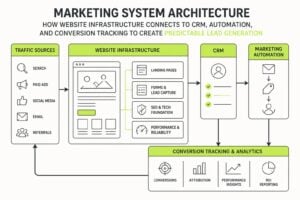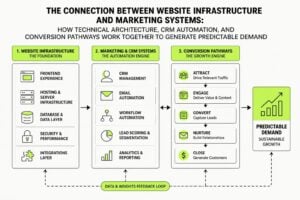
Searching for a "digital marketing agency near" your location seems straightforward until you realize proximity doesn't guarantee competence. A nearby agency might offer convenience for meetings, but what you actually need is structured systems, clear processes, and measurable results. The best local partnership combines accessibility with genuine marketing infrastructure, not just someone who shows up with a laptop and promises the world. This guide walks through what actually matters when evaluating agencies in your area, how to spot the difference between marketing theater and real growth systems, and what questions separate serious operators from order-takers.
What Makes Location Matter (and When It Doesn't)
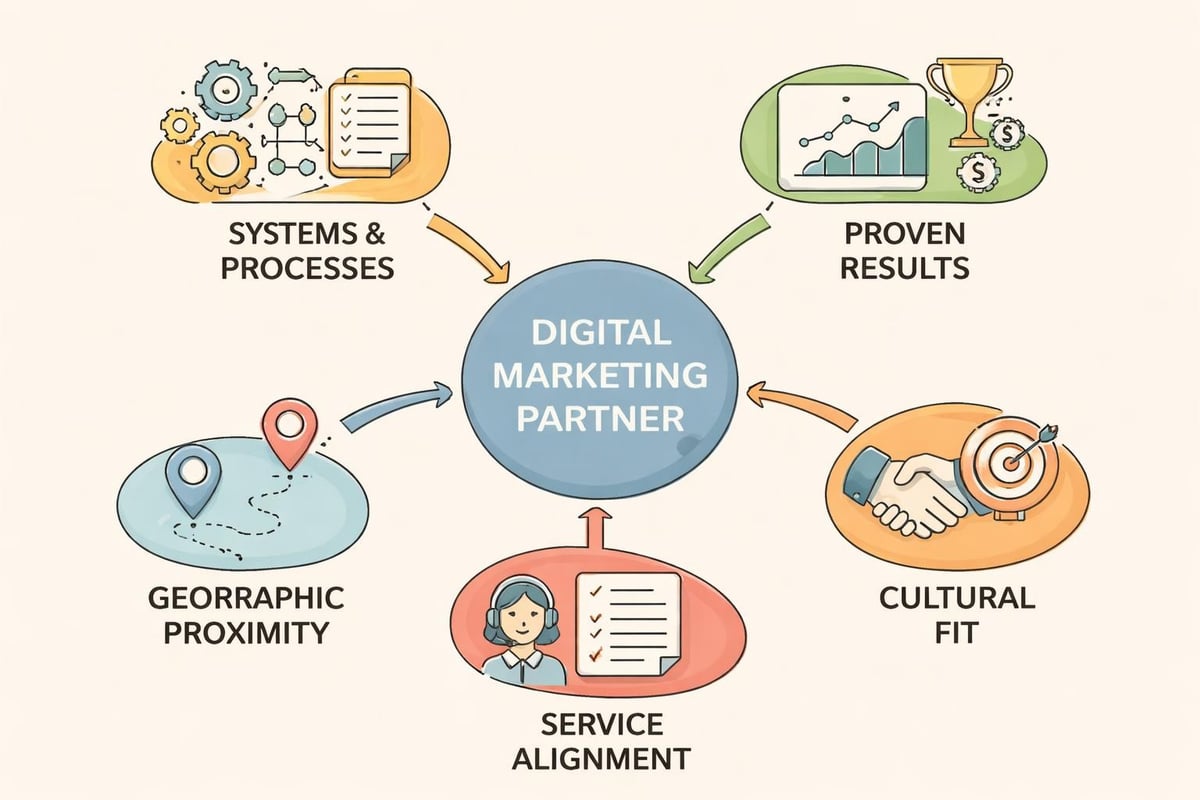
Geographic proximity used to be essential. Agencies needed face time to understand your business, and collaboration happened in conference rooms with whiteboards and coffee.
That model changed completely over the past few years. Remote collaboration tools, project management platforms, and asynchronous communication made physical location largely irrelevant for execution. Most marketing work happens in browsers, CRMs, and analytics dashboards, none of which care about zip codes.
But proximity still offers specific advantages:
- Easier initial chemistry assessments through in-person meetings
- Shared understanding of local market conditions and regional competition
- Simplified logistics for photo shoots, events, or brand activations
- Common business networks and potential referral relationships
The reality? A competent agency three states away often delivers better results than an incompetent one three blocks away. Location functions as a filter for convenience, not a proxy for quality.
When you search "digital marketing agency near" your city, you're optimizing for the wrong variable if proximity tops your criteria list. Start with capability, systems, and track record. Treat location as a tiebreaker, not a requirement.
The Service Confusion Problem
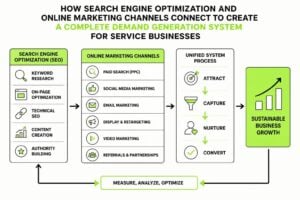
Most agencies list everything. SEO, PPC, social media, content marketing, email campaigns, web design, branding, video production, and whatever else prospects might search for. This shotgun approach signals lack of focus, not comprehensive capability.
What Service-Based Businesses Actually Need
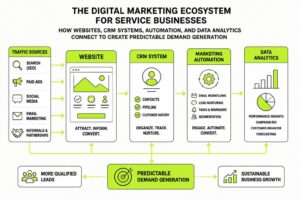
Service businesses require marketing that moves people through structured buyer journeys. That means:
- High-trust websites that convert cold traffic into engaged prospects
- CRM infrastructure that captures and protects every lead
- Automation systems that nurture relationships without manual effort
- Data-driven campaigns that generate predictable demand
Most agencies offer tactics. Fewer build systems. According to Promethean Research’s 2026 digital agency analysis, specialization continues to separate high-performing agencies from generalist shops struggling with commoditization.
| Agency Type | Primary Focus | Best For |
|---|---|---|
| Generalist Shop | Broad service menu, tactical execution | Small projects, one-off campaigns |
| Creative Agency | Brand identity, visual design, storytelling | Rebrands, product launches |
| Performance Agency | Traffic, leads, conversion optimization | Direct response, lead generation |
| Systems Agency | Infrastructure, automation, scalable processes | Growth-stage service businesses |
The disconnect happens when businesses hire creative agencies expecting performance results, or performance agencies expecting strategic infrastructure. Match agency specialty to your actual need, not their service list.
Questions That Reveal Real Capability
Skip the "what services do you offer" conversation. Agencies rehearse those answers. Ask about systems, processes, and how they actually work.
Discovery and Strategy
Start here: "Walk me through your discovery process before you recommend anything."
Weak agencies jump straight to proposals. Strong ones ask uncomfortable questions about your business model, current systems, lead flow, sales process, and where prospects actually get stuck. Best practices for hiring digital marketing firms emphasize aligning agency services with specific business goals rather than generic marketing wish lists.
If they don't ask about your CRM or how leads currently move through your pipeline, they're selling tactics without understanding your infrastructure.
Measurement and Reporting
Ask: "Show me a sample monthly report for one of your clients."
Look for:
- Specific metrics tied to business outcomes (qualified leads, pipeline value, customer acquisition cost)
- Honest assessment of what's working and what isn't
- Clear next steps based on data, not just more of the same
- Attribution tracking that connects marketing activity to revenue
Agencies that only report on vanity metrics (impressions, reach, engagement) don't understand how marketing creates business value. You need partners who track the path from attention to revenue, not just the top of the funnel.
Systems and Handoff
Critical question: "What happens if we part ways? What do we own, and what transfers?"
Some agencies build everything on their own accounts and platforms. When you leave, you start from zero. That's a lock-in strategy, not a partnership.
Look for agencies that:
- Build in platforms you own (your domain, your CRM, your ad accounts)
- Document processes and provide training
- Create transferable assets, not dependencies
- Structure growth that compounds even without them
The difference between marketing infrastructure and marketing services determines whether you're building an asset or renting attention.
The Pricing Reality Check
Agencies price three ways: hourly rates, monthly retainers, or project fees. Each model signals different things about how they work and what they value.
Hourly billing typically indicates tactical execution without strategic ownership. You're buying time, not outcomes. It works for defined projects with clear scope but creates misaligned incentives for ongoing work.
Monthly retainers align better for sustained growth. The agency invests in understanding your business, building systems, and optimizing over time. But retainer arrangements require clear deliverables and regular performance reviews to avoid drift.
Project fees suit specific initiatives: website redesigns, campaign launches, automation buildouts. Fixed scope, defined timeline, clear deliverable.
What You Should Expect to Pay
Industry statistics on digital agency pricing show significant variation based on agency size, specialization, and geographic market. But some benchmarks help calibrate expectations:
| Service Type | Typical Range | What It Includes |
|---|---|---|
| Strategic retainer (systems focus) | $3,000-$8,000/month | CRM setup, automation, integrated campaigns, regular optimization |
| Website design/development | $8,000-$25,000+ | Custom design, CRM integration, conversion optimization, technical SEO |
| Paid media management | 15-20% of ad spend (min $1,500/month) | Campaign setup, ongoing optimization, creative testing, reporting |
| Content and SEO | $2,000-$5,000/month | Strategy, content creation, technical optimization, link building |
Agencies charging significantly below market either cut corners on quality, lack experience, or haven't figured out how to deliver value efficiently. Agencies charging premium rates should demonstrate premium results.
More important than the number: understand what you're actually buying. Is this tactical execution or strategic infrastructure? Are you getting a vendor or a growth partner?
Red Flags and Green Lights
Some signals reveal more than any sales pitch.
Warning Signs
- Guaranteed rankings or results (no one controls Google's algorithm or market behavior)
- Ownership of your digital assets (websites, content, ad accounts should be yours)
- Lack of documented processes (ad-hoc work doesn't scale)
- No onboarding or discovery phase (how can they recommend without understanding?)
- Resistance to transparency (agencies hiding data or limiting access protect themselves, not you)
Current trends in digital marketing agencies show increasing emphasis on AI integration, data privacy, and measurable attribution. Agencies still pitching 2020 tactics in 2026 haven't kept pace.
Positive Indicators
- Documented methodologies and repeatable processes
- Case studies with specific metrics and business context
- Questions about your systems before pitching services
- Transparent reporting with access to underlying data
- Clear handoff plans and asset ownership from day one
The best agencies function as extensions of your team, not external vendors protecting their mystery sauce. They build infrastructure you can eventually run yourself, even if you choose to keep them involved.
Local vs Remote: Making the Choice
Here's the practical framework.
Choose a digital marketing agency near you when:
- You value regular in-person collaboration for strategic planning
- Your marketing needs significant local market knowledge
- You prefer building relationships through face-to-face interaction
- Your business includes physical locations or events requiring on-site presence
Geographic location matters less when:
- Your target market is national or digital-first
- The work is primarily systems, automation, and online campaigns
- You're comfortable with video calls and asynchronous communication
- Results and systems matter more than meeting logistics
Most digital marketing work happens in platforms accessible from anywhere. What you're really evaluating is communication style, working methodology, and whether the agency's systems match your business needs.
A nearby agency with poor systems wastes your time in person. A distant agency with solid infrastructure and clear communication delivers better results through a screen.
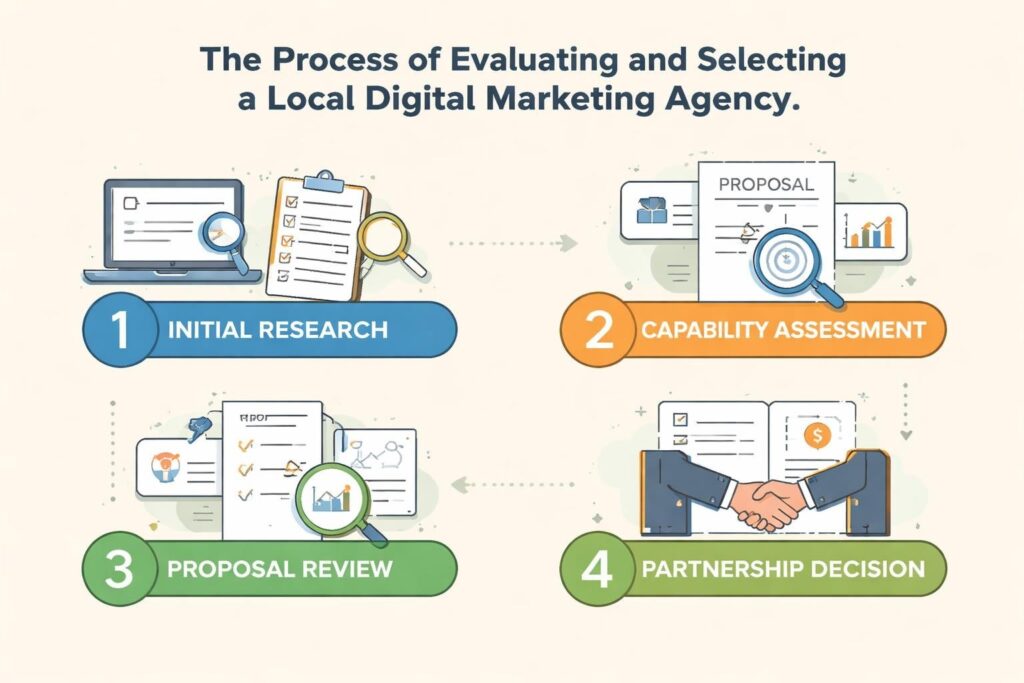
How to Evaluate Specific Agencies
Research phase matters. Most businesses skim websites, read a few reviews, then jump to calls. That's backwards.
Pre-Contact Research
Before reaching out to any agency:
- Review their own marketing (if they can't market themselves effectively, they probably can't market you)
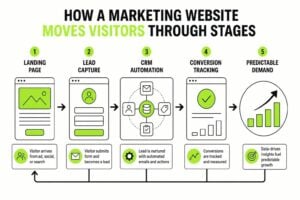
- Analyze their website conversion path (does it demonstrate the strategy they'd build for you?)
- Read actual content they've published (does it show depth or just SEO filler?)
- Check case studies for context (do they share specific industries, challenges, and measurable outcomes?)
If their own branding and digital presence doesn't demonstrate competence, that's data. Your marketing won't be better than theirs.
The Discovery Call
First conversation should feel like a consultation, not a pitch. Strong agencies spend more time asking questions than presenting capabilities.
What they should explore:
- Current marketing and sales systems
- Where leads come from and where they get stuck
- What you've tried before and what happened
- Business goals in concrete terms (revenue, clients, market position)
- Timeline and resources available
What they shouldn't do:
- Present solutions before understanding your situation
- Make promises about specific outcomes
- Pressure immediate decisions
- Avoid discussing pricing ranges
If an agency can't articulate how they'd measure success for your specific business, they're guessing. You need methodology, not enthusiasm.
Building the Partnership
Selecting an agency is the start, not the finish. The relationship quality determines results more than the initial choice.
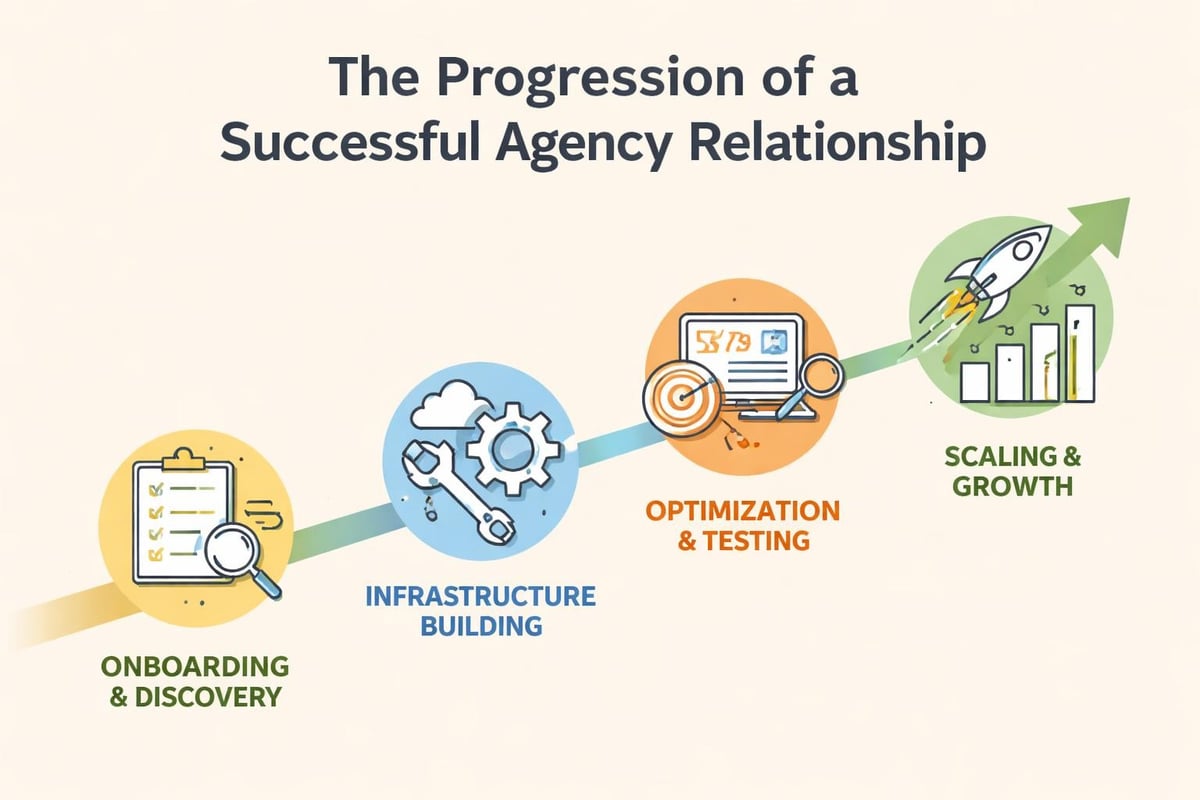
Onboarding Sets the Tone
Expect a structured onboarding process that includes:
- Detailed business and marketing audit (current state assessment)
- Access provisioning (analytics, ad accounts, CRM, website backend)
- Goal setting with specific metrics (what success looks like in 90 days, 6 months, 12 months)
- Communication protocols (who talks to whom, how often, through what channels)
Digital marketing best practices emphasize the importance of foundational elements like website maintenance, brand consistency, and quality content before scaling tactical campaigns.
Agencies that skip discovery and jump straight to execution create chaotic results. Systems require understanding before optimization.
Ongoing Collaboration
Monthly reviews should cover:
| Review Element | Purpose |
|---|---|
| Performance against goals | Are we moving the right metrics? |
| What we learned | Which tests worked, which failed, why? |
| Strategic adjustments | Based on data, what should we change? |
| Next 30 days | Specific initiatives and expected outcomes |
The best agency relationships feel like internal team extensions. You shouldn't wonder what they're doing or why. Transparency builds trust, which enables better work.
The Infrastructure Question
Here's what separates marketing services from marketing systems: what remains when the agency leaves?
Agencies selling ongoing services create dependency. Agencies building infrastructure create assets.
Service model: Monthly social media management, blog posts, ad campaign execution
Infrastructure model: CRM configured to your sales process, automated nurture sequences, conversion-optimized website, documented playbooks
One stops when you stop paying. The other compounds over time.
If you're searching for a "digital marketing agency near" your location, ask yourself what you're actually trying to build. Do you need someone to run campaigns indefinitely, or do you need someone to build systems that generate predictable demand?
For service-based businesses, marketing systems and automation create leverage. Each improvement to the infrastructure makes every subsequent lead more valuable and easier to convert.
What Growth Actually Looks Like
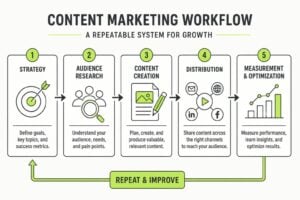
Marketing doesn't produce linear results. Early phases focus on foundation: cleaning up your website, implementing tracking, building conversion paths, testing messaging.
This feels slow compared to the promise of instant leads. But businesses that skip infrastructure chase tactics forever. They burn budget testing campaigns that can't succeed because the underlying systems don't exist.
Realistic timeline for service businesses:
Months 1-2: Discovery, website optimization, tracking implementation, CRM setup
Months 3-4: Initial campaign testing, data collection, conversion path optimization
Months 5-6: Refinement based on real data, scaling what works, cutting what doesn't
Months 7-12: Predictable lead generation, systematic follow-up, measurable ROI
Agencies promising instant results either work in different industries or don't deliver what they promise. Sustainable growth requires building systems that work without constant intervention.
Making the Final Decision
You've researched agencies. You've had discovery calls. You've reviewed proposals. Now you're choosing.
Decision framework:
- Do their systems match your needs? (not their service list, their actual methodology)
- Can they explain how they measure success for businesses like yours? (specific metrics, not generic promises)
- Do you understand what you're buying? (infrastructure vs services, ownership vs access)
- Does the investment make sense given your business model? (customer lifetime value supports acquisition cost)
- Do you trust them to tell you hard truths? (yes-people don't drive growth)
The right agency challenges your assumptions, questions your current approach, and builds systems that outlast the engagement. They're not order-takers. They're growth partners who bring structure to chaos.
Geographic proximity might ease logistics, but it shouldn't drive the decision. Find the agency with the right systems, methodology, and cultural fit. Then figure out the logistics.
The marketing agency relationship determines whether you build momentum or just spend money. Choose based on capability and approach, not convenience and promises.
Finding a digital marketing agency near you starts with proximity but should end with capability, systems, and proven methodology. The best partnerships build infrastructure that generates predictable demand long after the initial engagement. At MDO Digital, we help service-based businesses scale through high-trust websites, CRM automation, and data-driven marketing that converts attention into structured growth. If you're ready to remove chaos and build marketing systems that compound over time, let's talk.