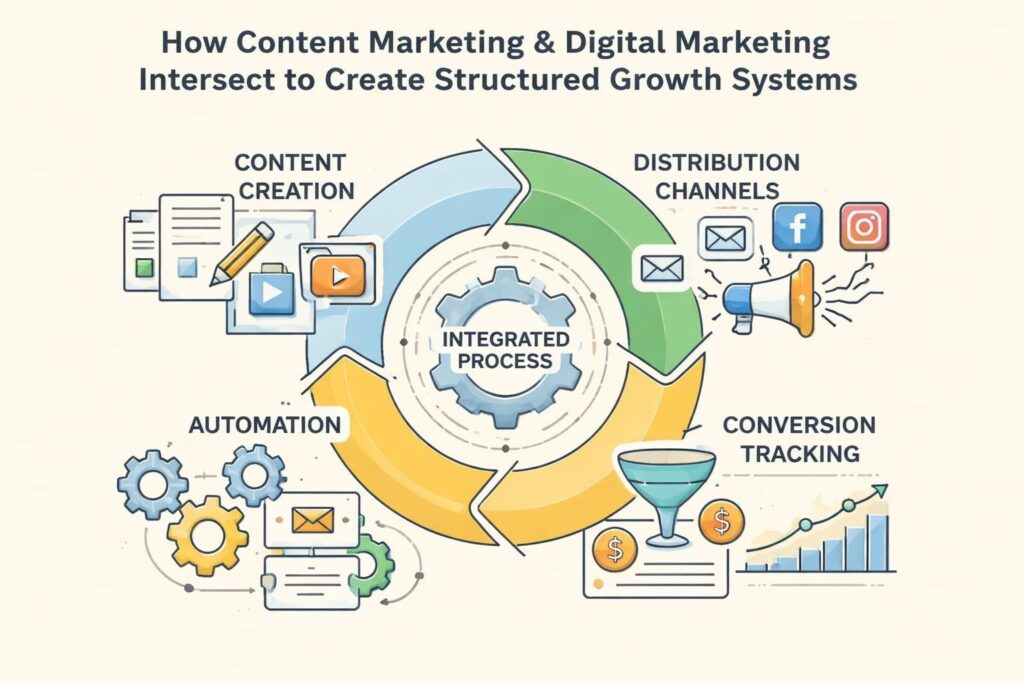
Most business owners treat content marketing and digital marketing as separate efforts. One team writes blog posts while another runs ads, and rarely do the two talk. This disconnect wastes budget, fragments messaging, and leaves money on the table. The truth is simpler: content marketing and digital marketing aren't competing approaches, they're two parts of the same system. One creates the trust, the other distributes it. When they work together, you get structured growth that compounds. When they don't, you get chaos.
What Content Marketing and Digital Marketing Actually Mean
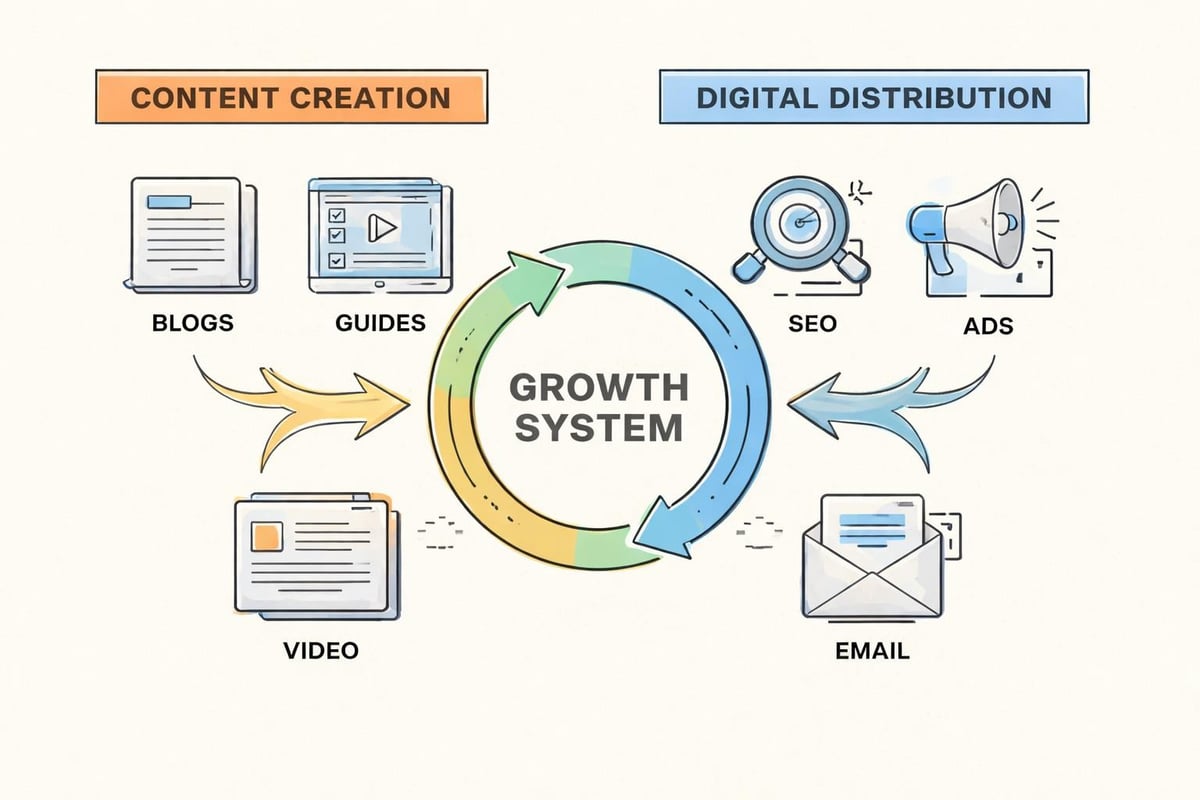
Content marketing is the practice of creating valuable, relevant material that attracts and retains a defined audience. Blog posts, guides, case studies, videos, and email sequences all fall under this umbrella. The goal isn't immediate conversion but building authority and trust over time.
Digital marketing covers the tactical distribution and promotion of your business across digital channels. This includes paid search, social media advertising, email campaigns, SEO, and conversion optimization. It's about getting eyeballs, driving action, and measuring results.
The confusion happens when people position these as either/or choices. Content marketing is often labeled "organic" and digital marketing as "paid," but that's oversimplified. Digital marketing uses content, and content marketing relies on digital distribution. They're interdependent, not independent.
Why the Separation Creates Problems
When your content team operates in a silo, they produce material that doesn't align with campaign goals. Blog posts get published with no promotion plan. Case studies sit unused while your ads team creates generic copy from scratch.
Meanwhile, digital marketing teams run campaigns without substantial material to back them up. Landing pages lack depth. Ad creative recycles surface-level claims. Prospects click through, find thin content, and leave.
This gap shows up in three places:
- Wasted ad spend sending traffic to pages that don't convert because they lack substance
- Underutilized content assets that could fuel retargeting, nurture sequences, and lead magnets
- Inconsistent messaging where your organic presence says one thing and your ads say another
How Content Marketing and Digital Marketing Work Together
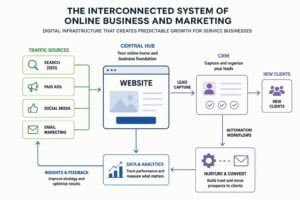
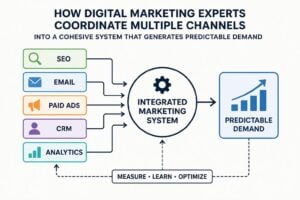
The most effective growth systems treat content marketing and digital marketing as one integrated operation. Content provides the substance, digital marketing provides the structure and distribution. Here's how that plays out in practice.
Content as the Foundation for Campaigns
Every digital marketing campaign needs a destination. Not just a landing page, but a substantive piece of content that delivers on the promise made in the ad. When you build content marketing and branding assets first, your campaigns have something real to promote.
This means:
- Publishing in-depth guides that answer specific problems your audience searches for
- Creating case studies that demonstrate real results, not vague claims
- Building resource libraries that position your business as the go-to source in your space
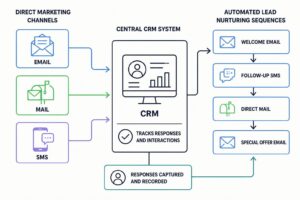
- Developing email sequences that nurture leads with value, not just pitches
These assets become the fuel for paid campaigns, SEO efforts, and social distribution. Instead of pointing ads at generic "contact us" pages, you drive traffic to material that builds trust first.
Digital Marketing as the Amplification System
Great content without distribution is just files on a server. Digital marketing turns content into a demand generation engine by putting it in front of the right people at the right time.
This happens through:
- Paid search campaigns targeting high-intent keywords where your content provides the answer
- Retargeting sequences that serve relevant content based on previous engagement
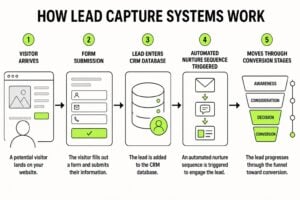
- Email automation that delivers content progressively as leads move through stages
- Social media ads that distribute your best-performing content to cold audiences
The key difference is intentionality. You're not just boosting random posts or running generic ads. You're building a system where every piece of content has a distribution plan, and every campaign is backed by substantial material.
Building an Integrated Content and Digital Marketing System
Creating alignment between content marketing and digital marketing requires structure, not just good intentions. Here's the framework that works for service-based businesses.
Step 1: Map Content to Buyer Stages
Not all content serves the same purpose. Some material attracts cold traffic, other pieces convert warm leads, and some assets close deals. Your content library should cover all three stages.
| Buyer Stage | Content Type | Digital Marketing Tactic |
|---|---|---|
| Awareness | Blog posts, guides, educational videos | SEO, social ads, content syndication |
| Consideration | Case studies, comparison guides, webinars | Retargeting, email nurture, search ads |
| Decision | Proposals, ROI calculators, consultations | Direct outreach, conversion campaigns |
This mapping prevents the common mistake of creating only top-of-funnel content or only sales material. You need both, and each piece should have a clear role in your system.
Step 2: Build Distribution into Content Creation
Every piece of content should answer three questions before it gets published:
- Who is this for? (Specific audience segment, not "anyone interested")
- Where will they find it? (Distribution channel, not "we'll share it on social")
- What action should they take? (Clear next step, not vague "learn more")
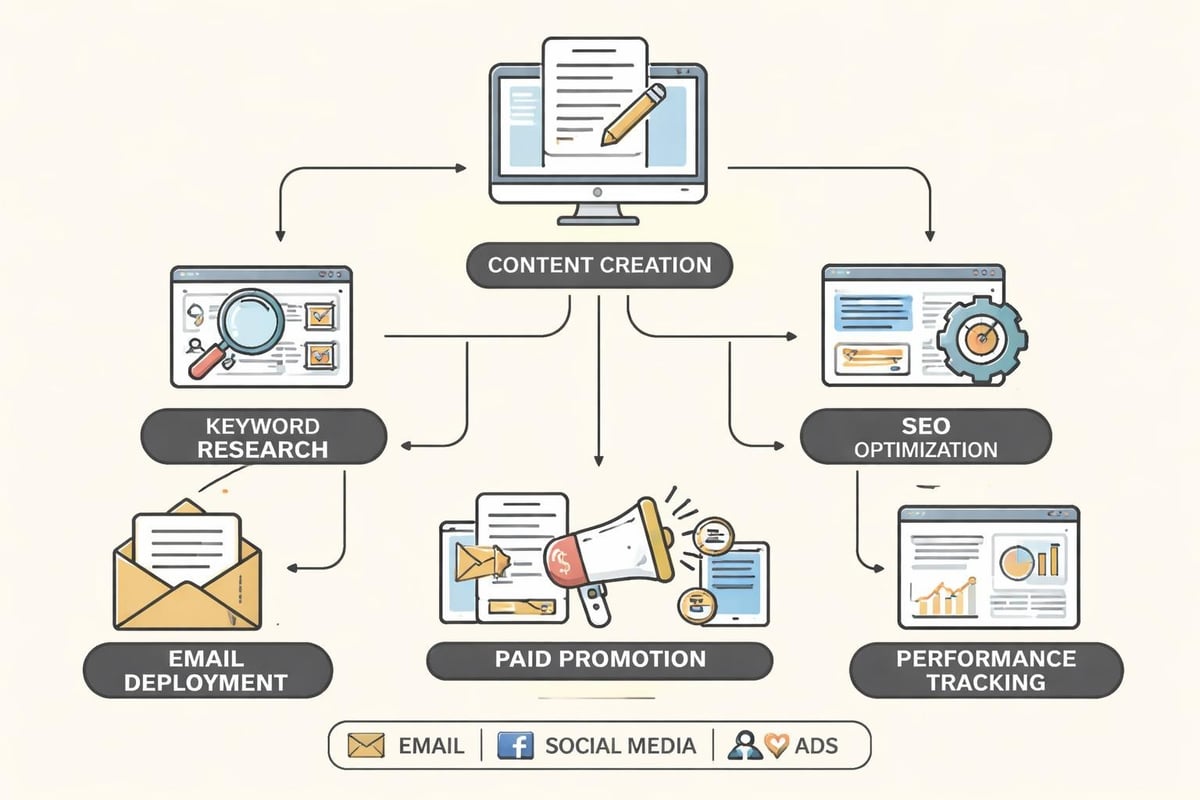
This forces content teams to think like marketers and digital marketers to understand content value. A blog post isn't finished when it's written, it's finished when it has keywords optimized, a promotion plan scheduled, and conversion paths mapped.
Step 3: Use Data to Connect the Dots
The biggest advantage of treating content marketing and digital marketing as one system is unified data. You can track which content attracts the most qualified traffic, which pieces convert visitors to leads, and which assets influence closed deals.
Track these metrics across both disciplines:
- Traffic sources showing which channels drive visitors to specific content
- Engagement metrics revealing which content holds attention and reduces bounce rate
- Conversion paths demonstrating how prospects move from first touch to closed deal
- Content attribution identifying which assets appear most often in successful customer journeys
This data tells you where to invest more effort. If your comprehensive guides on marketing systems consistently appear in conversion paths, you create more comprehensive guides. If short social posts generate traffic but zero conversions, you adjust the strategy.
Common Mistakes That Break the System
Even when businesses understand that content marketing and digital marketing should work together, execution often falls short. These patterns show up repeatedly.
Creating Content Without Keywords
Publishing blog posts with no SEO consideration means they'll never rank. Your digital marketing team runs paid campaigns to drive traffic, but organic visibility stays flat because content wasn't optimized from the start.
The fix is straightforward: keyword research comes before content creation, not after. Identify what your audience actually searches for, then create material that answers those queries better than existing results. This gives your content both paid and organic distribution potential.
As outlined in guidance on creating authoritative content, even new businesses can build credibility by providing in-depth analysis and practical examples rather than surface-level overviews.
Running Campaigns Without Landing Pages
Driving ad traffic to your homepage or generic service pages converts poorly. Visitors click expecting specific information and find scattered navigation instead.
Every campaign needs a dedicated landing page built around one topic, one audience, and one conversion goal. That page should be supported by content that demonstrates expertise, not just marketing claims.
Ignoring Content Performance in Ad Strategy
Your digital marketing team has access to Google Analytics and ad platform data. Use it to identify which content already performs well organically, then amplify it with paid distribution.
If a blog post generates consistent organic traffic and converts well, that's your signal to:
- Build retargeting campaigns around it
- Create similar content on related topics
- Develop paid campaigns targeting the same keywords
- Use it as a lead magnet in email sequences
Separating Teams Completely
When your content writers never talk to your ads team, you get misalignment. Content gets created that doesn't support campaigns. Campaigns run that don't leverage content assets.
The solution isn't necessarily combining roles, but creating shared goals and regular communication. Weekly alignment meetings, shared content calendars, and unified reporting keep both efforts coordinated.
What Authoritative Content Actually Looks Like
The concept of authority comes up constantly in discussions about content marketing and digital marketing, but what does it actually mean? It's not about credentials or years in business, it's about demonstrating real expertise through substance.
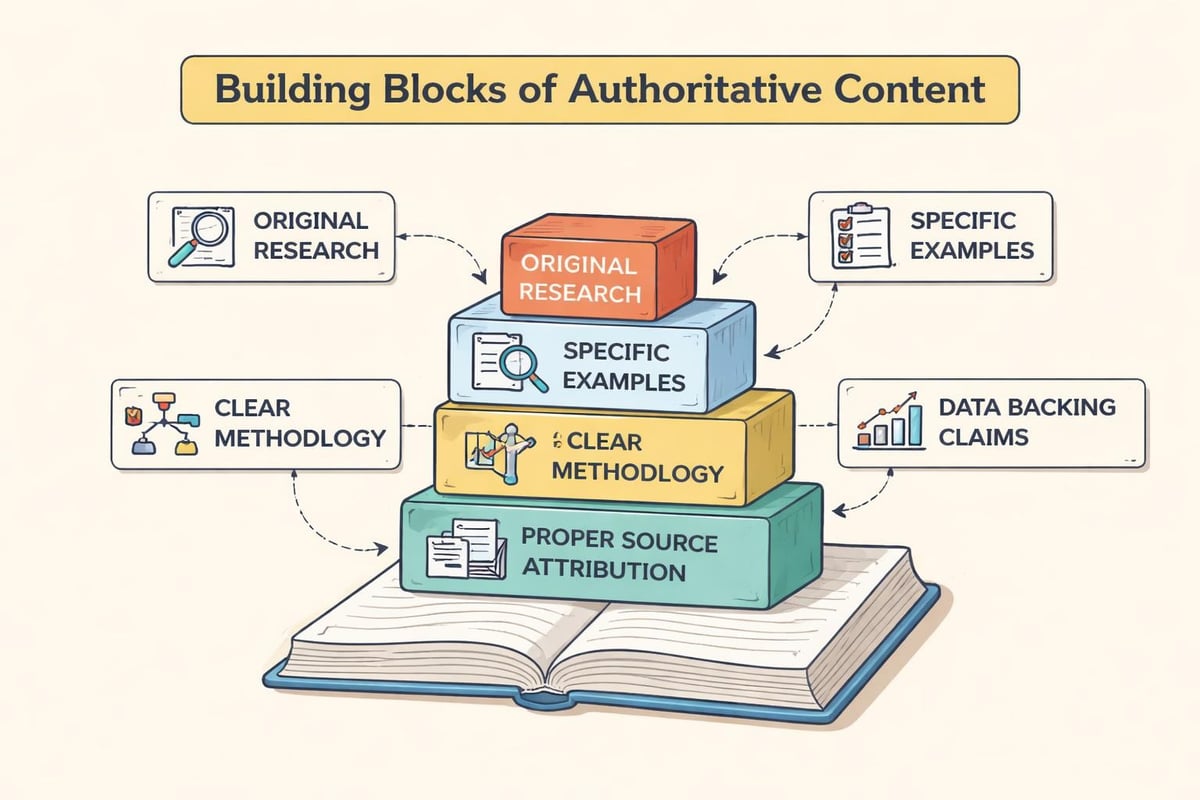
Authoritative content meets specific criteria that signal trustworthiness to both readers and search engines. It's built on expertise, provides clear evidence for claims, and delivers depth beyond surface-level advice.
Characteristics of High-Authority Content
Specificity over generalization. Instead of "social media is important for businesses," you explain which platforms drive results for which business models, backed by data.
Original research or case studies. Sharing actual results from real projects carries more weight than restating common knowledge. Numbers, processes, and outcomes build credibility.
Clear methodology. When you make recommendations, explain the reasoning. Show your work. Help readers understand not just what to do, but why it works.
Proper citations and sources. When referencing data or studies, link to the original source. This transparency builds trust and helps readers verify claims.
These elements transform generic content into material that earns links, ranks well, and converts visitors into leads. Understanding what makes content authoritative helps you create assets that perform across both organic and paid channels.
Measuring Success Across Both Channels
You can't improve what you don't measure, and measuring content marketing and digital marketing as separate efforts misses the full picture. The goal is understanding how they work together to generate demand and close deals.
Metrics That Matter
Instead of tracking content metrics (pageviews, time on page) separately from digital marketing metrics (click-through rate, cost per click), focus on unified indicators:
| Metric Category | What to Track | Why It Matters |
|---|---|---|
| Traffic Quality | Bounce rate, pages per session, return visitor rate | Shows whether your content and campaigns attract qualified visitors |
| Lead Generation | Form submissions, content downloads, demo requests | Indicates whether your content converts traffic into identifiable leads |
| Pipeline Contribution | Marketing-qualified leads, sales-accepted leads, influenced revenue | Demonstrates actual business impact, not vanity metrics |
| Content ROI | Cost per lead by content type, revenue attributed to specific assets | Guides resource allocation and content strategy decisions |
Attribution Models That Work
Most businesses default to last-click attribution, giving all credit to the final touchpoint before conversion. This systematically undervalues content marketing since educational content rarely appears at the end of the buyer journey.
Multi-touch attribution shows the complete path from first interaction to closed deal. When you see that prospects typically engage with three blog posts, one case study, and two email sequences before booking a call, you understand which content actually drives results.
This visibility lets you optimize both content creation and digital marketing spend based on real contribution, not assumptions.
Making Content Marketing and Digital Marketing Work for Your Business
The businesses that grow predictably treat marketing as a system, not a collection of tactics. Content marketing and digital marketing aren't separate budgets or teams, they're two parts of one demand generation engine.
For service-based businesses, this integration is especially critical. Your buyers need trust before they'll hand over money, and trust comes from demonstrating expertise over time. That requires both substantial content and strategic distribution through digital marketing channels.
Start by auditing what you have:
- List your existing content assets and evaluate which ones could fuel paid campaigns
- Review your current campaigns and identify where additional content would improve performance
- Map your buyer journey and spot gaps where prospects need information you're not providing
- Connect your teams through shared goals, calendars, and regular planning sessions
This foundation lets you build a system where content and campaigns reinforce each other rather than competing for attention and budget.
The goal isn't perfection on day one. It's creating the infrastructure that lets both efforts compound over time. As your content library grows, you have more assets to promote. As your campaigns generate data, you learn which content to create next. The system strengthens itself.
Content marketing and digital marketing work best when they work together, each strengthening the other through structure and intentionality. If you're running service-based growth and need help building systems that actually convert attention into predictable demand, MDO Digital can help. We design the infrastructure, build the automation, and create the clarity that turns marketing chaos into compounding growth.