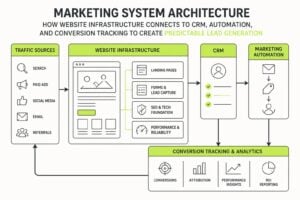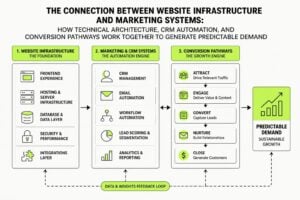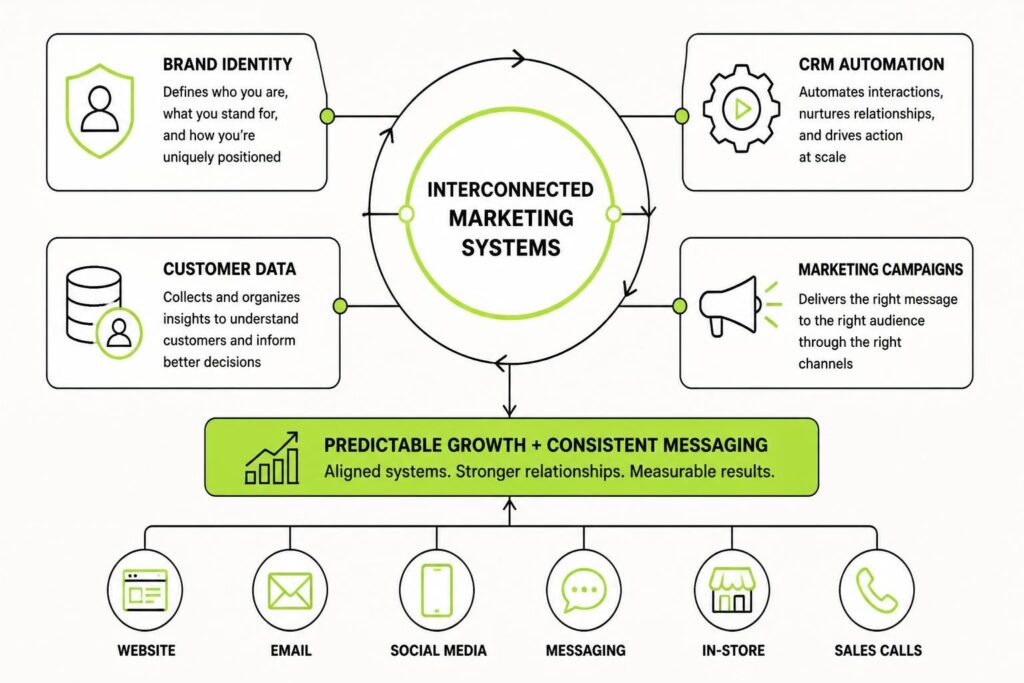
Most businesses treat branding and marketing as separate projects. One team works on logos and visual identity while another runs campaigns and tracks leads. The result is predictable: disconnected experiences, inconsistent messaging, and campaigns that don't reinforce what your brand actually stands for. Marketing systems branding solves this by treating your brand as infrastructure, not decoration. It's the practice of building marketing systems that operate with brand consistency baked in, so every touchpoint reinforces trust and moves prospects toward conversion. When done properly, it removes guesswork and creates compounding returns over time.
What Marketing Systems Branding Actually Means
Marketing systems branding isn't about prettier emails or tighter brand guidelines. It's about designing systems where your brand identity directly influences how you capture, nurture, and convert leads.
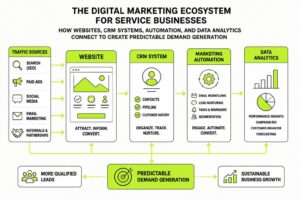
Think of it this way. Your branding defines who you are, what you stand for, and how you want to be perceived. Your marketing systems are the infrastructure that delivers that identity at scale through automation, CRM workflows, content calendars, and campaign frameworks. When these two elements work together, you get consistency without manual effort.
The Components That Make It Work
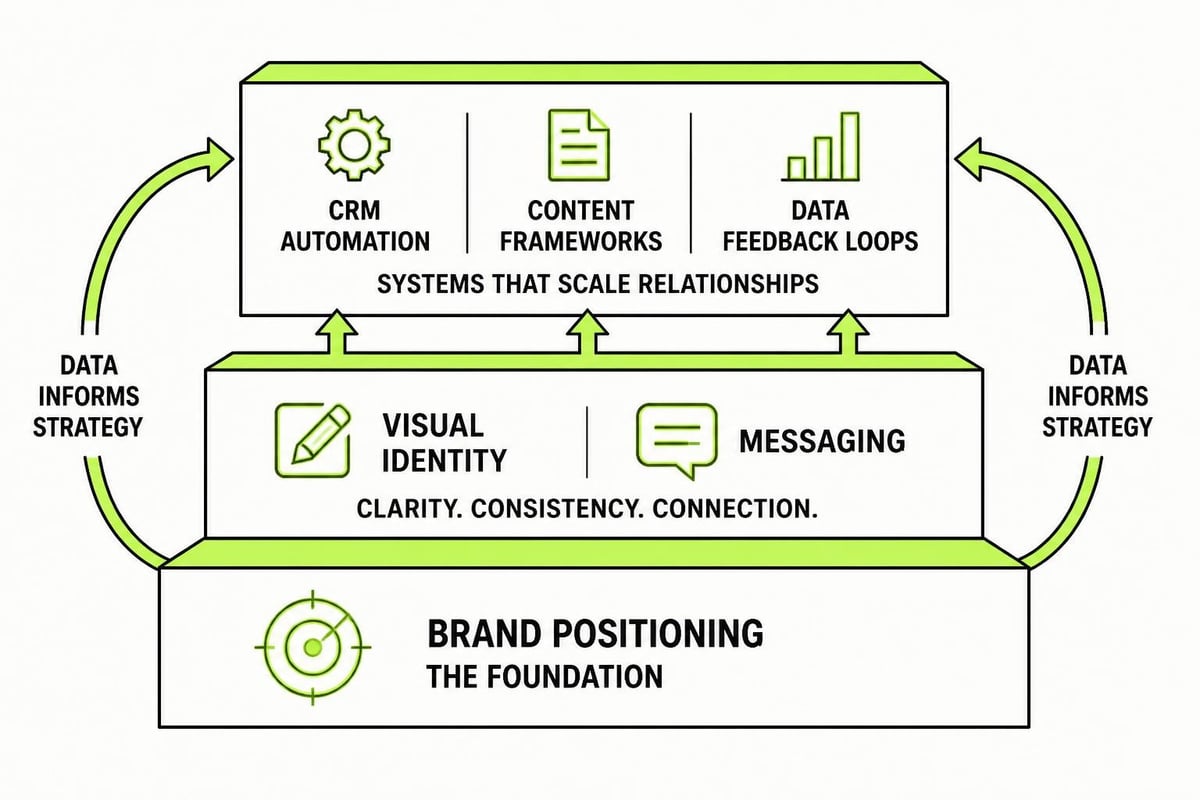
A proper marketing systems branding approach includes several interconnected parts:
- Brand positioning and messaging architecture that defines your core value propositions, tone, and audience
- Visual identity systems that translate brand strategy into repeatable design elements
- CRM and automation infrastructure that segments audiences and delivers personalized experiences
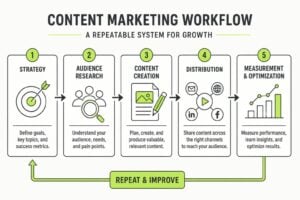
- Content and campaign frameworks that ensure every piece of marketing reinforces brand promises
- Data collection and feedback loops that refine messaging based on actual performance
Each component feeds the others. Your CRM doesn't just store contact details, it tags leads based on the problems they care about, which should map directly to your brand positioning. Your email sequences don't just promote offers, they educate using the language and tone your brand guidelines specify.
Why Most Businesses Get This Wrong
The typical approach looks like this: hire a designer for a logo, maybe get some brand guidelines, then start running Facebook ads or cold email campaigns. The brand work sits in a PDF somewhere while the marketing team chases leads using whatever copy and creative feels right in the moment.
This creates three major problems.
First, your messaging becomes inconsistent. Different team members interpret your brand differently, leading to mixed signals across channels. A prospect might see a professional, buttoned-up LinkedIn post, then land on a sales page with casual, overly friendly copy. The disconnect erodes trust before you've even had a conversation.
Second, you can't automate effectively. Automation works when you have clear rules and repeatable processes. Without a defined brand system, every email template becomes a custom job. Every landing page needs a new creative brief. You waste time recreating what should be standardized.
Third, you can't measure what matters. When your brand isn't connected to your marketing infrastructure, you track vanity metrics like impressions and clicks instead of meaningful ones like message-market fit or brand recall. You optimize for the wrong outcomes because your systems aren’t designed to capture brand performance.
Building Marketing Systems With Brand Integrity
The solution starts with treating your brand as the foundation of your marketing infrastructure, not an afterthought.
Step One: Define Your Brand System First
Before you set up a single automation or launch a campaign, document your brand system. This goes beyond a style guide. You need:
| Component | What It Covers | Why It Matters |
|---|---|---|
| Positioning | Core value props, audience segments, competitive differentiation | Determines what messages your systems will deliver |
| Voice and tone | Language style, vocabulary, emotional register | Ensures consistency across automated touchpoints |
| Visual language | Colors, typography, imagery style, layout principles | Makes all marketing assets immediately recognizable |
| Brand promises | What you guarantee, how you deliver, proof points | Shapes nurture sequences and sales conversations |
This becomes your operating system. Every marketing decision filters through it.
Step Two: Map Your Customer Journey to Brand Touchpoints
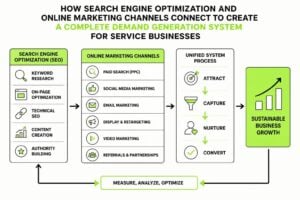
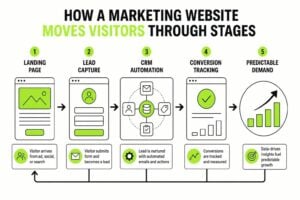
Marketing systems branding works when you map every stage of your customer journey to specific brand experiences. Start with awareness and work through to advocacy.
At the awareness stage, your brand needs to establish credibility and relevance. Your content should demonstrate expertise while using the exact language your positioning defines. If your brand is positioned around "clarity and structure," don't publish vague thought leadership pieces. Publish frameworks, templates, and step-by-step processes.
In the consideration phase, your nurture sequences should reinforce brand promises. If you promise "data-driven results," your emails should include specific metrics, case study numbers, and transparent reporting. Your CRM should track which proof points resonate with different segments so you can personalize without abandoning brand consistency.
During decision-making, your sales process becomes a brand experience. Proposal templates, discovery call scripts, and pricing presentations should all reflect your visual identity and voice. A comprehensive brand system ensures that prospects don't experience a jarring shift between marketing and sales.
Step Three: Build Systems That Scale Your Brand
Once you've mapped the journey, build infrastructure that delivers brand-consistent experiences automatically.
Email marketing platforms should have template libraries built from your brand guidelines. Every newsletter, nurture email, and promotional campaign pulls from approved copy blocks and design modules. You're not starting from scratch each time.
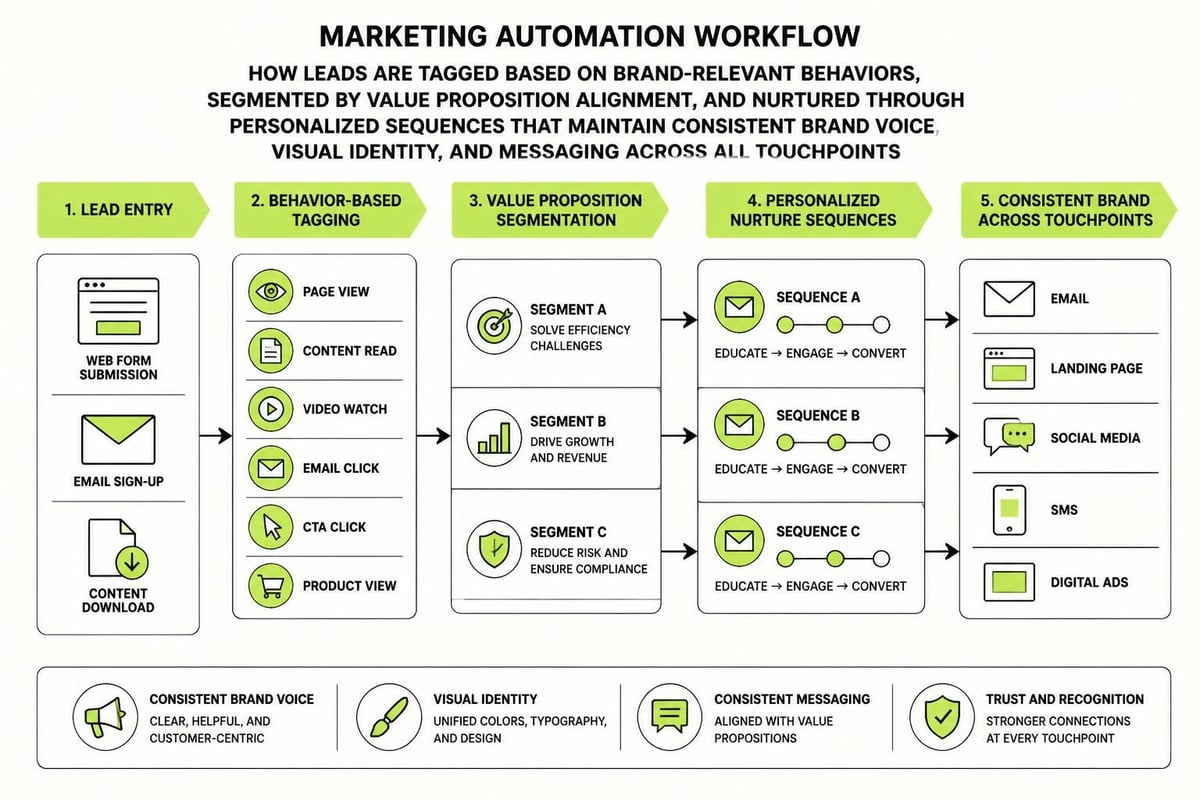
CRM workflows should tag and segment based on brand-relevant criteria. Instead of just tracking "opened email" or "visited pricing page," track engagement with specific value propositions. If someone repeatedly engages with content about "removing chaos," your system should flag them for messaging that emphasizes operational clarity.
Content calendars should be structured around brand pillars, not random topics. If your brand stands on three core ideas, every piece of content should reinforce one of those pillars. Your system should ensure balanced coverage and prevent drift into off-brand subjects.
One practical framework that organizes these elements is the 7-Step Marketing Plan, which creates a repeatable system for building demand. It walks through setting goals, defining your buyer, choosing platforms, creating opt-ins, building CRM nurture, delivering great experiences, and generating referrals. Each step feeds into the next, creating a flywheel that reinforces your brand while generating leads.

The Role of Automation in Marketing Systems Branding
Automation gets a bad reputation for creating generic, soulless marketing. That only happens when automation is built without brand guardrails.
Done properly, automation is how you deliver personalized brand experiences at scale. The key is setting up systems that adapt to individual behavior while staying within defined brand parameters.
Smart Segmentation Based on Brand Alignment
Your CRM should segment audiences not just by demographics or behavior, but by how they relate to your brand positioning. If your brand serves three distinct audience types, each segment should receive different messaging that speaks to their specific needs while maintaining overall brand consistency.
For example, a marketing and business development consultancy might serve both startups and established enterprises. The brand promise is the same, but startups care about speed and agility while enterprises care about risk mitigation and scalability. Your automation should deliver brand-consistent messages tailored to each concern.
Dynamic Content With Brand Constraints
Modern email and web platforms let you show different content to different users. Use this to personalize within brand guidelines, not outside them.
Create content modules for each major use case or pain point your brand addresses. When someone visits your site or opens an email, your system shows them the modules most relevant to their behavior, but all modules are pre-approved brand assets. You get personalization without the chaos of everyone making up their own messaging.
Measuring Marketing Systems Branding Effectiveness
Traditional marketing metrics miss the point. Opens and clicks tell you about engagement, but not whether your brand is building equity or just making noise.
Marketing systems branding requires different measurements:
- Message-market fit scores based on response to specific value propositions
- Brand consistency audits that track deviation from guidelines across channels
- Conversion rates by brand touchpoint to see which brand elements drive decisions
- Customer feedback on brand perception compared to intended positioning
- Time to trust metrics measuring how quickly prospects move from awareness to consideration
The goal is to understand whether your systems are reinforcing or diluting your brand. If prospects engage with your content but don't convert, your messaging might not align with your positioning. If they convert but churn quickly, your brand promises might not match your delivery.
Building Feedback Loops
Your marketing systems should capture data that improves brand performance over time. Every campaign, every email, every landing page is an opportunity to test brand hypotheses.
Set up tracking that answers questions like:
- Which brand messaging angles generate the most qualified leads?
- Do prospects who engage with brand-focused content convert better than those who engage with tactical content?
- How does brand consistency across touchpoints affect close rates?
- What language patterns in won deals should inform brand voice guidelines?
This research on electronic word-of-mouth marketing shows how brand perception spreads through networks. Your systems should track not just direct conversions, but how customers talk about your brand and what language they use. That feedback refines your positioning and messaging over time.
Common Mistakes That Break Marketing Systems Branding
Even businesses that understand the concept often stumble on execution. Here are the patterns that cause the most damage.
Treating Brand as Creative, Not Strategic
Brand guidelines that only cover visual design miss the point. A proper branding system includes strategic positioning, messaging frameworks, and operational guidelines that inform every marketing decision.
If your brand guidelines don't answer "should we send this email?" or "does this landing page reinforce our positioning?" they're incomplete. Brand should be your filter for all marketing decisions, not just your template for making things look nice.
Building Systems Before Defining Brand
Some businesses rush into marketing automation before their brand is clear. They set up complex CRM workflows and nurture sequences with placeholder messaging, thinking they'll refine it later. Later never comes. The system starts generating results, and there's no appetite to rebuild. You end up locked into infrastructure that delivers inconsistent or off-brand experiences.
Define your brand system first. Let it shape your infrastructure from the beginning.
Letting Different Teams Own Different Pieces
When your brand team reports to one leader and your marketing ops team reports to another, marketing systems branding becomes nearly impossible. Brand decisions happen in isolation from system decisions. The result is beautiful brand guidelines that marketing can't execute because the systems aren't built to support them.
Organizational structure matters. The people defining your brand need to work directly with the people building your marketing systems. Ideally, they're the same people.
Optimizing for Short-Term Metrics
Marketing systems branding is a long game. It prioritizes consistency and compounding brand equity over immediate conversion spikes. If you optimize every campaign for maximum short-term response, you'll inevitably drift away from brand consistency.
The best-performing subject line might be clickbait that doesn't reflect your brand. The highest-converting landing page might use aggressive tactics that contradict your positioning. Short-term optimization erodes long-term brand value.
Set guardrails. Define which tactics are off-brand no matter how well they perform. Protect your positioning even when it costs you conversions in the moment. The compounding returns come later.
How Technology Enables Brand-Consistent Systems
The right tools make marketing systems branding easier to execute. The wrong tools make it nearly impossible.
What to Look For in Your MarTech Stack
Your technology should support brand consistency by default, not require workarounds to achieve it.
Template libraries and approval workflows ensure nothing goes out that hasn't been reviewed against brand standards. Your email platform, social scheduling tools, and content management system should all support centralized asset libraries where approved copy and creative lives.
Conditional logic and personalization let you deliver different experiences to different segments while pulling from the same brand-approved content pool. You're not creating custom one-offs, you're mixing and matching approved modules.
Integrated analytics connect brand touchpoints to business outcomes. You need to see not just which campaign drove the most leads, but which brand messages and experiences moved people through your funnel.
Collaboration features keep brand and marketing teams aligned. Comments, version control, and shared workspaces prevent the "brand team creates guidelines, marketing team ignores them" problem.
Many businesses at MDO Digital succeed because they treat technology as an enabler of brand consistency, not a replacement for brand strategy. The system should make it easier to stay on-brand than to go off-brand.
Practical Steps to Implement Marketing Systems Branding
If you're starting from scratch or rebuilding existing systems, here's a practical sequence.
-
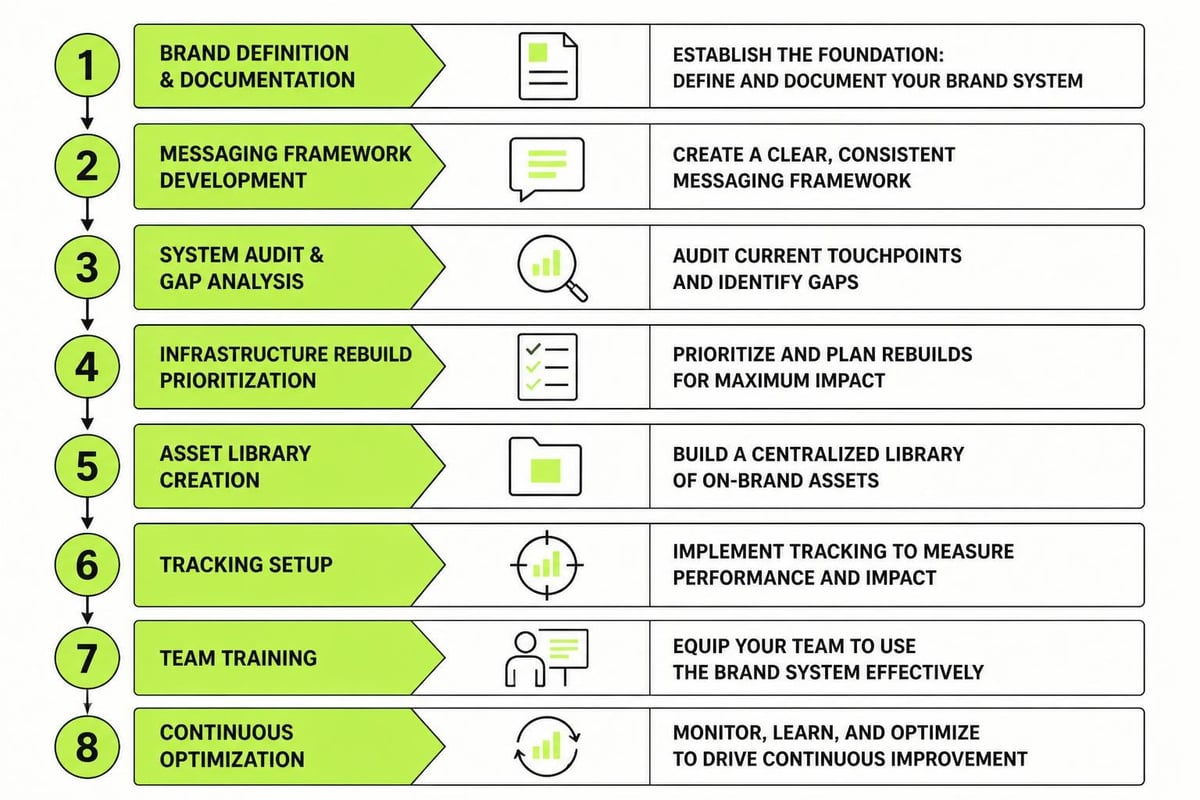
Document your current brand reality, not your aspirations. How do customers actually describe you? What messaging is currently working? Where is your brand inconsistent?
-
Define your brand positioning clearly. Who you serve, what you solve, how you're different, and what you promise. Make it specific enough to guide decisions.
-
Build messaging frameworks that translate positioning into actual copy. Create templates for common scenarios: cold outreach, nurture emails, sales conversations, content pieces.
-
Audit your existing marketing systems against your brand definition. Where do you drift? Which touchpoints are off-brand? What's missing?
-
Rebuild high-impact touchpoints first. You can't fix everything at once. Start with the experiences that touch the most people or influence the biggest decisions.
-
Create asset libraries and templates in your marketing tools so the default is to use brand-approved content, not create new stuff from scratch.
-
Set up tracking that measures brand consistency and brand-driven outcomes, not just campaign performance.
-
Build feedback loops so your brand system improves based on real performance data, not assumptions.
-
Train your team on the brand system and how to use your marketing infrastructure to deliver brand-consistent experiences.
-
Schedule regular brand audits to catch drift before it becomes embedded in your systems.
This isn't a weekend project. Proper marketing systems branding takes months to build and years to refine. But the compounding returns make it worth the investment.
Why Marketing Systems Branding Matters More in 2026
The marketing landscape has shifted. Attention is more expensive, audiences are more skeptical, and differentiation is harder than ever.
Generic marketing doesn't work anymore. Prospects can smell templated outreach and cookie-cutter campaigns from a mile away. The businesses that win are those that deliver consistent, authentic brand experiences across every touchpoint.
Marketing systems branding is how you do that at scale. It's how you maintain brand integrity while automating outreach. It's how you personalize without losing consistency. It's how you build trust systematically instead of relying on individual brilliance from your team.
The businesses investing in this now will have compounding advantages over the next few years. Their brand equity will grow while competitors churn through generic tactics. Their systems will get smarter while others stay stuck in manual chaos.
This isn't about being perfect. It's about being consistent, intentional, and connected. Your brand informs your systems. Your systems deliver your brand. And over time, that compounds into something competitors can't easily copy.
Marketing systems branding isn't optional anymore. It's the difference between businesses that scale with clarity and those that stay stuck in reactive chaos. When your brand identity connects directly to your CRM, automation, and campaign infrastructure, every touchpoint reinforces trust instead of creating confusion. MDO Digital helps service-based businesses build exactly this: high-trust systems where brand and marketing infrastructure work as one. If you're ready to remove the guesswork and create structured growth that compounds, let's talk.