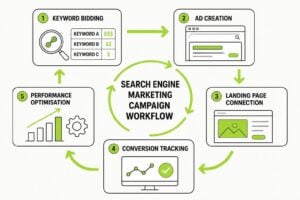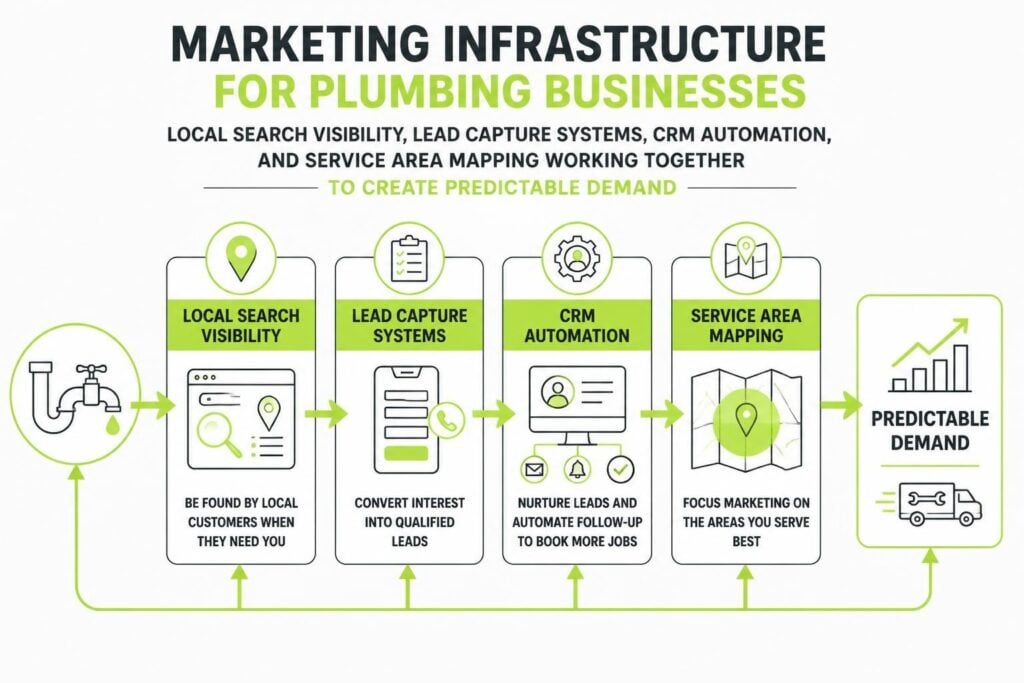
Marketing for plumbers isn't about throwing money at ads and hoping something sticks. It's about building a system that converts awareness into booked jobs, repeatedly and predictably. Most tradies know their craft inside out but treat marketing like an afterthought, something to scramble together when the phone stops ringing. That approach keeps you stuck in feast or famine cycles. What you need is infrastructure. A proper marketing system captures attention, nurtures trust, and turns enquiries into loyal customers who send their mates your way.
Why Marketing for Plumbers Needs Structure
You can't wing it anymore. The plumbing industry has changed. Customers don't flip through Yellow Pages. They search Google from their phone while standing in ankle-deep water at 11pm. If your business doesn't show up in that moment, someone else gets the job.
Effective marketing for plumbers requires three core elements:
- Visibility where your customers are searching
- Trust signals that prove you're reliable
- Systems that capture leads and follow through
Without these basics, you're leaving money on the table. Every missed call, every ignored enquiry, every visitor who bounces from your website because it looks like it was built in 2009. These aren't small issues. They compound.
The challenge is most plumbers treat marketing as a side project. You update the Facebook page when you remember. You throw some cash at Google Ads without tracking what happens. You've got a website somewhere but you're not sure if the contact form even works. This scattered approach burns budget and delivers nothing measurable.
The Local Search Reality
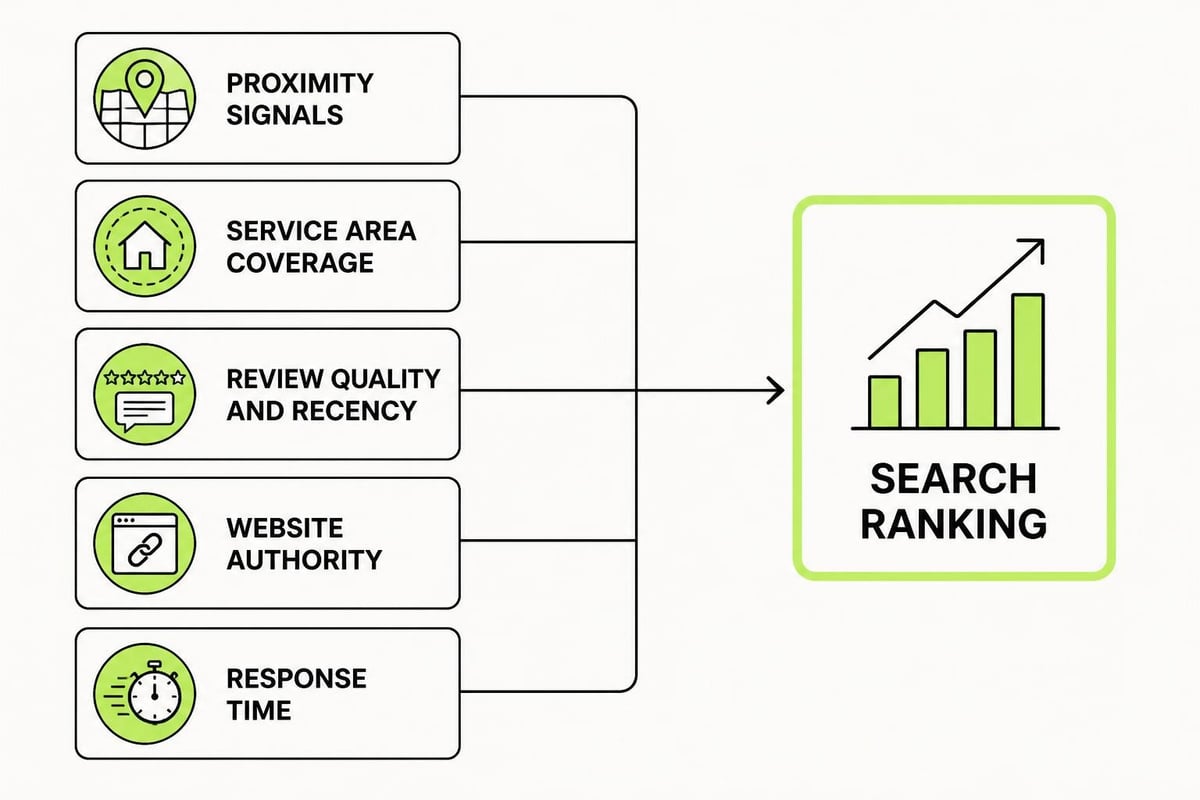
Local SEO drives most plumbing enquiries. When someone's hot water system dies or their toilet won't stop running, they search "plumber near me" or "emergency plumber [suburb]". Google serves results based on proximity, relevance, and authority.
If you're not optimised for local search, you're invisible. That means claiming and fully completing your Google Business Profile. Adding real photos of your team and work. Collecting reviews consistently. Keeping your hours and service areas updated.
This isn't optional. It's table stakes. The plumbers winning jobs in 2026 understand that Google Business Profile is often the first and last impression before someone calls.
Building a High-Trust Digital Presence
Your website is not a brochure. It's a conversion tool. Every element should guide visitors toward one action: calling you or filling out a form.
Most plumber websites fail because they talk about the business instead of solving customer problems. Nobody cares that you've been in business since 1987. They care whether you can fix their burst pipe today.
Your website must include:
- Clear service descriptions tied to search intent (blocked drains, gas fitting, hot water repairs)
- Visible phone number on every page
- Service area information so people know if you cover their suburb
- Social proof through reviews, case studies, or photos of completed jobs
- Fast load times and mobile optimisation
People will judge your work quality based on your website quality. If it's slow, broken, or hard to navigate, they assume your plumbing work is the same.
Investing in professional website design pays off because it signals competence and reduces friction. A good site answers questions before they're asked and makes booking your services effortless.
Content That Demonstrates Expertise
Blogging isn't just for tech companies. Written content gives you two advantages: it builds authority with Google and educates potential customers before they call.
Answer the questions people actually ask. How much does it cost to replace a hot water system? What causes low water pressure? When should you call a plumber instead of trying DIY?
Content marketing ideas for plumbers can range from troubleshooting guides to seasonal maintenance checklists. The goal isn't to write Shakespeare. It's to prove you know your stuff and make people comfortable calling you.
Video content works even better for trades. Film a quick walkthrough of a common repair. Show before and after shots. Explain what homeowners should look for during routine maintenance. These don't need fancy production. Phone quality is fine as long as the information is solid.
Lead Capture and Follow-Up Systems
Getting traffic to your website means nothing if you don't capture leads. Most plumbing enquiries happen outside business hours. If someone fills out a form at 8pm and doesn't hear back until noon the next day, they've already called three other plumbers.
Speed matters. The first responder usually gets the job. That's where automation and CRM systems become critical.
| Lead Source | Average Response Time | Conversion Rate |
|---|---|---|
| Phone call during business hours | Immediate | 45-60% |
| After-hours phone (voicemail) | Next morning | 15-25% |
| Contact form with auto-response | Under 5 minutes | 30-40% |
| Contact form without follow-up | 24+ hours | 5-10% |
You need systems that acknowledge enquiries instantly and route them to whoever's on call. This could be automated email responses, SMS confirmations, or integrations that ping your phone when a form is submitted.
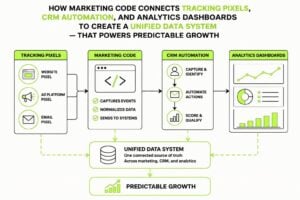
A proper digital marketing strategy includes these touch points. Automation doesn't replace the human element. It ensures nothing falls through the cracks while you're on a job site.
Building Your CRM Infrastructure
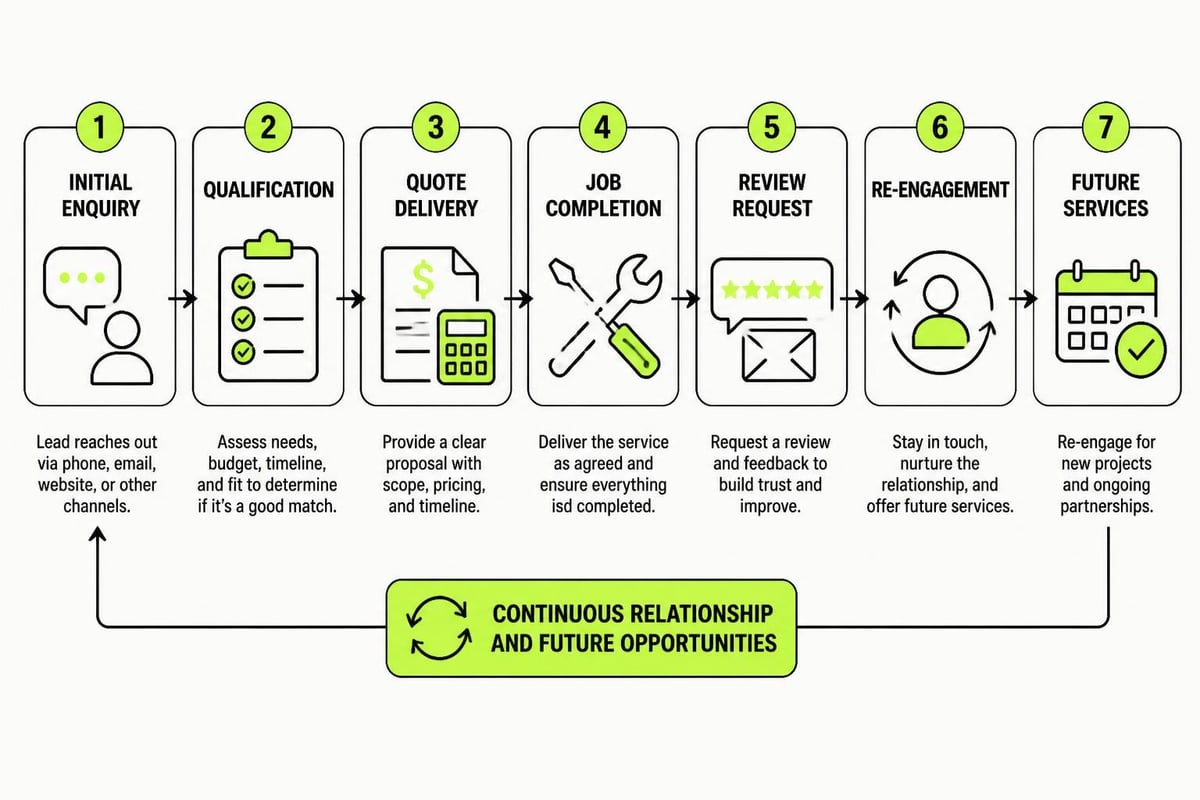
Customer relationship management isn't complicated. It's just organised follow-up. When someone enquires, they enter your system. You track whether they booked, what service they needed, and when to follow up.
Basic CRM functions for plumbers:
- Log every enquiry with source tracking (Google, Facebook, referral)
- Set automated reminders for quotes that haven't converted
- Schedule follow-ups for seasonal services (pre-winter heating checks)
- Tag customers based on service type for targeted communication
- Store job history so you know what work you've done at each property
This creates a database of past customers you can market to instead of constantly chasing new leads. A customer who had their drains cleared last year might need hot water servicing this year. If you're not staying in touch, someone else will.
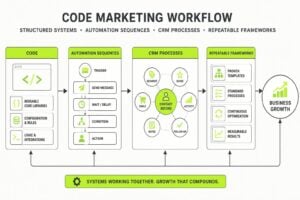
Building structured systems like this is where many plumbers get stuck. They know they need it but don't have time to set it up. That's exactly what we help service businesses fix. Our 7-Step Marketing Plan walks through how to build a repeatable system that captures leads, nurtures trust, and turns attention into predictable demand.
Paid Advertising That Actually Works
Google Ads for plumbers can print money or burn it, depending on how you set them up. The difference is targeting and tracking.
Don't just bid on "plumber". That's too broad and too expensive. Target specific services and locations: "blocked toilet Sydney", "emergency plumber Parramatta", "hot water repair Newcastle". These long-tail searches have higher intent and lower cost.
Key metrics to track in paid campaigns:
- Cost per click (what you're paying for each visitor)
- Conversion rate (percentage of visitors who call or enquire)
- Cost per lead (total spend divided by leads generated)
- Cost per job (factoring in your close rate from leads to booked work)
- Return on ad spend (revenue from ads versus what you spent)
Most plumbers look at clicks and think that's success. Clicks mean nothing if they don't turn into jobs. You need proper conversion tracking. Set up call tracking numbers for your ads. Use form analytics to see which campaigns drive enquiries.
Proven digital marketing strategies emphasise testing and refinement. Start with a modest budget, track everything, cut what doesn't work, and scale what does.
Retargeting Warm Leads
Most visitors won't book on their first visit. They're comparing options, checking reviews, or not quite ready to commit. Retargeting keeps you visible after they leave your site.
Someone who visited your emergency plumbing page should see ads reminding them you're available 24/7. Someone who looked at hot water systems should see content about replacement options and financing.
This isn't creepy. It's strategic. You're staying top of mind with people who already expressed interest. The cost per click on retargeting is usually lower than cold traffic, and conversion rates are higher because you're marketing to warm leads.
Review Generation and Reputation Management
Social proof drives decisions. Two plumbers with identical services and pricing. One has 87 five-star reviews, the other has six reviews and a three-star average. Who gets the call?
Marketing strategies for plumbers consistently highlight reviews as a competitive advantage. The problem is most businesses don't ask. You finish a job, the customer is happy, and everyone moves on. That's a missed opportunity.
Simple review generation process:
- Complete the job to a high standard
- Ask the customer directly if they're happy with the work
- Send a follow-up SMS or email with direct links to leave a review
- Make it easy by linking to Google, Facebook, or industry platforms
- Respond to every review, positive or negative
Timing matters. Ask within 24 hours while the experience is fresh. Wait a week and they've moved on mentally. Automate the request through your CRM so it happens consistently.
Negative reviews will happen. How you respond matters more than the review itself. Address concerns professionally, offer to make it right, and show potential customers you care about service quality.
Email and SMS for Repeat Business
One-off customers are fine. Repeat customers are profitable. The difference is staying in touch between jobs.
Email marketing for plumbers doesn't need to be complicated. A monthly or quarterly newsletter with maintenance tips, seasonal reminders, and special offers keeps you visible.
Effective email content for plumbing businesses:
- Winter prep checklist (check heating, insulate pipes, service hot water)
- Spring maintenance reminders (clear gutters, check for leaks)
- Educational content (signs your hot water system is failing)
- Special offers for past customers (discounts on annual servicing)
SMS works better for urgent or time-sensitive messages. Reminder about scheduled maintenance. Last-minute appointment availability. Emergency service announcements during storms or cold snaps.
The key is permission-based marketing. Only message people who opted in or are existing customers. Respect their time and provide value, not just sales pitches.
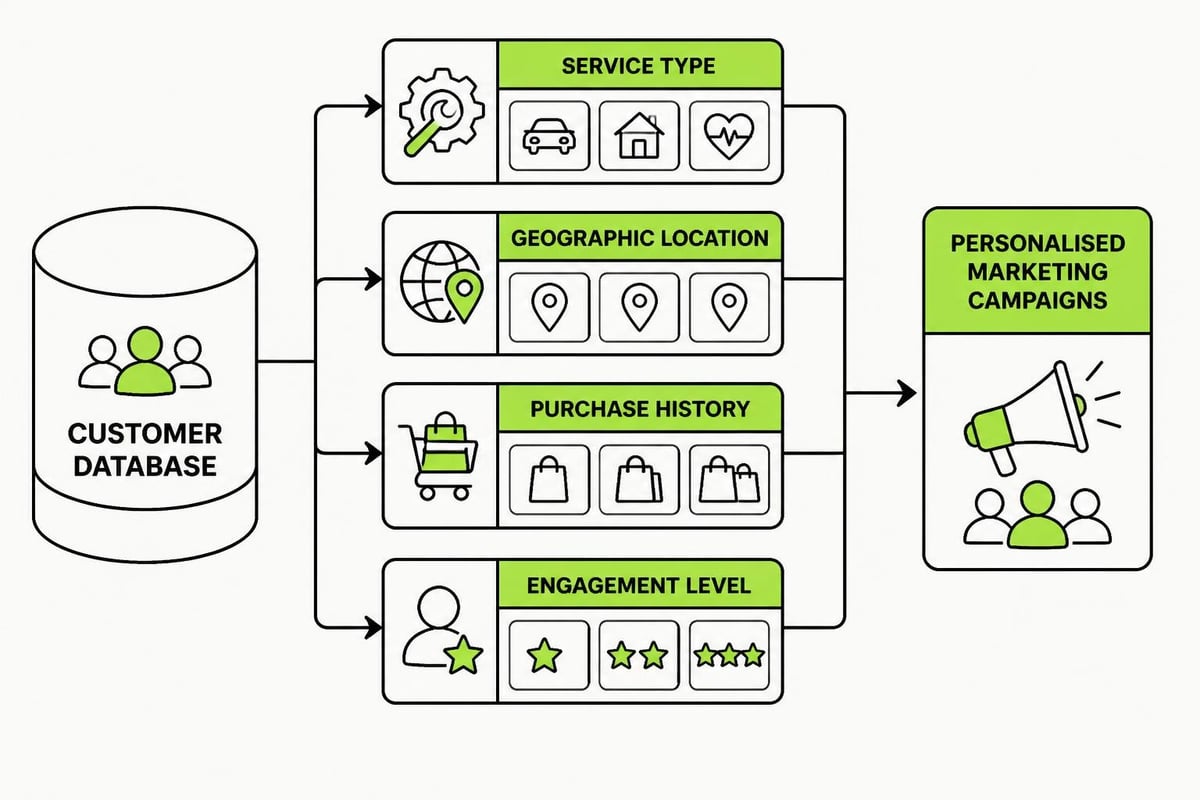
Segmenting Your Customer List
Not everyone needs the same message. Residential customers care about different things than commercial clients. Someone who had an emergency repair might need different follow-up than someone who booked routine maintenance.
Segment your list based on:
- Service type (residential, commercial, strata)
- Past services (hot water, drainage, gas fitting)
- Location (different suburbs get different messaging)
- Customer value (high-value clients get more personalised attention)
This lets you send targeted campaigns that feel relevant instead of generic blasts that get ignored. It's the difference between "10% off all plumbing services" and "Your hot water system is three years old. Here's what to watch for and how to extend its life."
Social Media for Local Trust Building
Social media for plumbers isn't about going viral. It's about building local credibility and staying visible in your service area.
Social media marketing strategies that work focus on consistency and authenticity. Post regularly but don't stress about daily content. A few quality posts per week beats forced daily updates.
Content that performs well:
- Before and after photos of completed jobs
- Short videos explaining common problems and solutions
- Team introductions and behind-the-scenes content
- Customer testimonials (with permission)
- Emergency service reminders during extreme weather
Facebook and Instagram work best for local service businesses because you can target specific geographic areas and demographics. Share content that educates and builds trust rather than constant sales messages.
Engagement matters more than follower count. A thousand local followers who see your posts and interact are worth more than 10,000 random followers who ignore you.
Tracking What Matters
You can't improve what you don't measure. Marketing for plumbers requires tracking specific metrics that connect to revenue.
Essential metrics to monitor:
| Metric | What It Tells You | Target Range |
|---|---|---|
| Website traffic | How many people find you | Increasing month over month |
| Enquiry conversion rate | Percentage of visitors who contact you | 3-8% |
| Lead-to-job conversion | Percentage of enquiries that become booked work | 30-50% |
| Customer acquisition cost | What you spend to win each new customer | Lower than average job value |
| Customer lifetime value | Total revenue from one customer over time | 3-5x acquisition cost |
Tools like Google Analytics show where traffic comes from. Call tracking reveals which marketing channels drive phone enquiries. CRM data shows which sources convert best.
This information guides decisions. If Google Ads costs $80 per lead and converts at 40%, while Facebook Ads costs $30 per lead but converts at 10%, Google is actually more profitable despite higher upfront cost.
Understanding marketing and business development means connecting these dots. Numbers tell you where to invest and what to cut.
Setting Realistic Benchmarks
Don't compare your plumbing business to software companies or national brands. Your benchmarks should reflect local service industry norms.
A 5% website conversion rate is excellent for tradies. Most sit between 2-4%. If you're getting 200 visitors monthly and 8 enquiries, that's 4%, which is solid. Focus on increasing quality traffic rather than obsessing over conversion rate optimisation.
Average job value and close rate matter more than vanity metrics. Would you rather have 100 website visitors and 5 booked jobs, or 500 visitors and 8 booked jobs? The first scenario probably delivers better ROI because traffic is more targeted.
Partnerships and Referral Systems
The best marketing for plumbers often comes from other people. Real estate agents, property managers, builders, and insurance companies all need reliable plumbers they can recommend.
Build these relationships deliberately. Reach out to property managers in your area. Offer guaranteed response times and professional service. Make their life easier and they'll send work your way consistently.
Structured referral program elements:
- Identify potential referral partners (real estate, building inspectors, electricians)
- Reach out with a clear value proposition
- Offer incentives for qualified referrals (finder's fee, reciprocal referrals)
- Make referring you easy with business cards, flyers, digital assets
- Follow up and report back on referred jobs
Past customers are your best referral source. If you did solid work, ask them to recommend you. Make it easy by providing Google review links or referral cards they can hand out.
Track referral sources in your CRM. Knowing which relationships generate the most business helps you nurture the right partnerships and replicate what works.
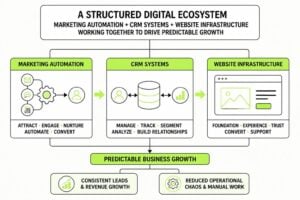
Marketing for plumbers stops being overwhelming when you treat it as infrastructure instead of a chore. Build systems that capture leads, automate follow-up, and nurture relationships over time. The plumbing businesses that scale aren't the ones with the flashiest ads. They're the ones with repeatable processes that turn attention into predictable demand. If you're ready to remove chaos and build marketing systems that compound, MDO Digital helps service businesses like yours create structured growth through high-trust websites, CRM automation, and data-driven campaigns that actually convert.