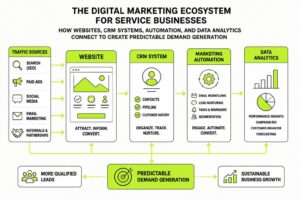
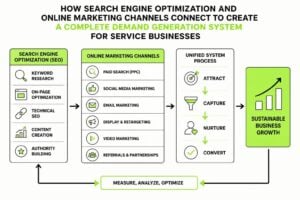
Your digital presence is the sum of every touchpoint where someone might encounter your business online. It's your website, your search results, your LinkedIn profile, the emails you send, the reviews people leave, and the content you publish. For service based businesses in 2026, this isn't optional infrastructure. It's the foundation of how you're discovered, evaluated, and remembered. A strong digital presence doesn't just make you visible, it creates the conditions for trust to form before you've spoken to a prospect. That's the work that matters now.
What Digital Presence Actually Means
Most people reduce digital presence to "having a website" or "being on social media". That misses the point entirely.
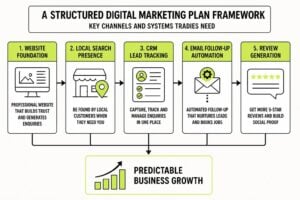
Your digital presence is the experience someone has when they search for what you do, land on your site, read your content, or receive your emails. It's a system, not a single asset. Every piece should connect to the next and guide someone from awareness to action without friction or confusion.
Here's what forms a functional digital presence:
- A website that loads quickly, answers questions clearly, and makes it easy to take the next step
- Search visibility that puts you in front of people actively looking for your service
- Email systems that nurture leads and protect relationships
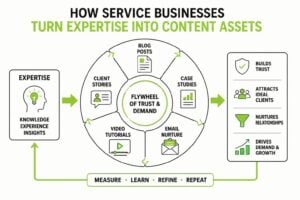
- Content that demonstrates expertise and builds authority over time
- Reviews and social proof that validate your claims
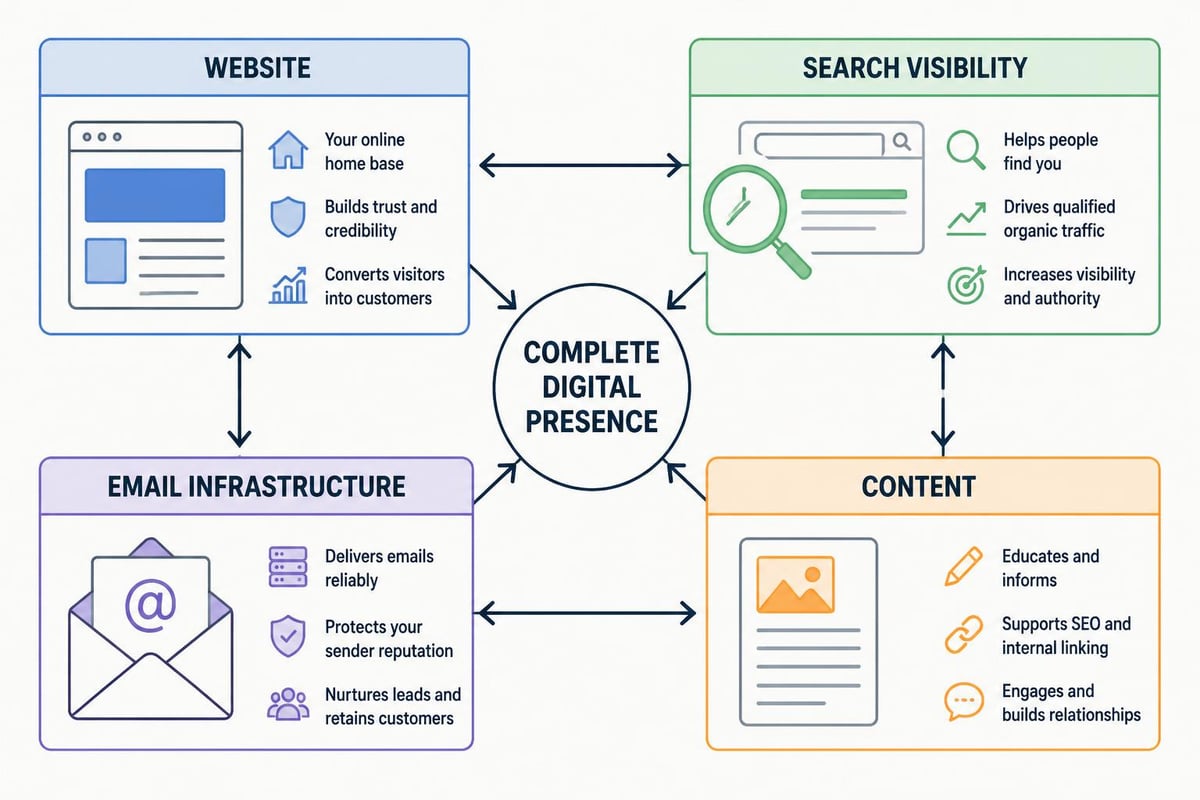
The goal isn't to be everywhere. It's to own the channels that matter to your buyers and make sure they work together. A prospect who finds you through search should land on a clear page, understand what you do, and have a reason to stay connected. That's how service businesses establish credibility online before the first conversation happens.
Why Digital Presence Drives Predictable Growth
Without a structured digital presence, you're relying on referrals, word of mouth, and chance encounters. Those are fine sources of work, but they don't scale. You can't control timing, volume, or quality.
A well built digital presence flips that equation. It creates inbound demand that flows to you based on the work you've done upfront. When someone searches for your service, you appear. When they visit your site, they understand what you offer and why it matters. When they're not ready to buy, they opt in and enter a nurture system that keeps you relevant.
The Compounding Effect
Digital assets compound. A piece of content published in 2026 can generate traffic and leads for years if it's optimized properly. SEO strategies that focus on authority and relevance create long term returns that paid ads never will. Your CRM captures every lead and turns attention into data you can act on.
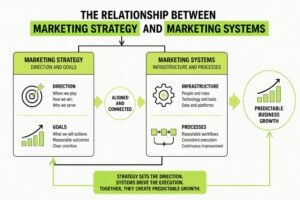
This is what separates businesses that grow predictably from those that fight for every client. Predictable growth comes from systems, and your digital presence is the visible layer of that system.
| Growth Method | Control | Scalability | Longevity | Cost Over Time |
|---|---|---|---|---|
| Referrals | Low | Low | Variable | Low |
| Paid Ads | Medium | High | Short | High |
| Digital Presence | High | High | Long | Decreasing |
The table makes it obvious. Digital presence is the only method that gives you control, scale, and long term leverage at a decreasing cost. Once the infrastructure is in place, it works for you without constant input.
Building the Foundation: Website and Search
Your website is the hub. Everything else points back to it. If your site is slow, unclear, or hard to navigate, nothing else matters. People leave. Leads evaporate. Trust never forms.
Start with speed and clarity. A site that takes more than two seconds to load loses half its visitors before they see a single word. Use simple navigation, clear headlines, and direct calls to action. Don't bury what you do under layers of storytelling or vague positioning.
Search visibility follows structure. Google rewards sites that answer questions directly, load quickly, and demonstrate authority. That means:
- Optimize for search intent, not just keywords. Write for the questions your prospects actually ask.
- Build topic clusters that show depth. One article on "digital marketing" is noise. Ten interconnected articles on CRM, automation, websites, and content strategy show expertise.
- Earn backlinks by creating resources people want to reference. Guides, frameworks, and case studies work better than blog posts that rehash basics.
- Use schema markup and technical SEO to help search engines understand your content.
Practical strategies for building digital presence often start with the website because it's the only asset you fully control. Social platforms change their algorithms. Ad costs fluctuate. Your website stays yours.
Email and CRM: The Infrastructure No One Sees
Most businesses treat email as an afterthought. They collect addresses, send the occasional newsletter, and wonder why nothing happens. That's not a system. That's noise.
A proper email and CRM setup does three things:
- Captures leads with opt-in offers that provide real value
- Segments contacts based on behavior, interests, and readiness to buy
- Nurtures relationships with sequences that educate, build trust, and move people toward a decision
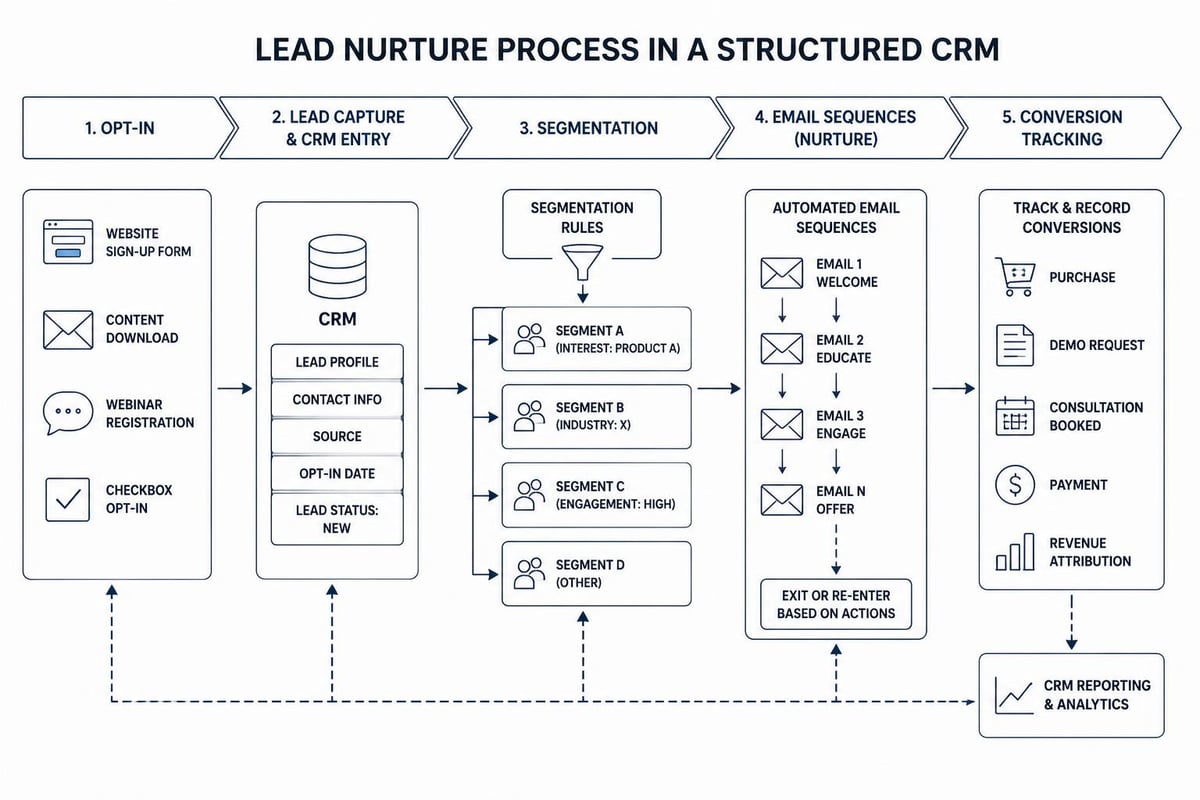
The 7-Step Marketing Plan walks through exactly how to build this system, from defining your buyer persona to creating the opt-in offers and email sequences that keep leads warm until they're ready to act. It's the framework that turns attention into structured demand.

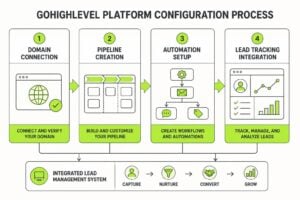
Your CRM isn't just a contact database. It's the layer that protects leads from being forgotten, tracks what people care about, and automates follow-up so nothing slips through. Without it, you're guessing. With it, you know exactly where each prospect sits and what to do next.
Why Automation Matters
Automation doesn't replace human connection. It creates space for it. When your CRM tags someone based on the content they clicked, you can send them something relevant instead of a generic pitch. When a lead goes cold, an automated sequence can re-engage them without you lifting a finger.
The businesses that grow predictably in 2026 aren't working harder. They're building systems that do the repetitive work so they can focus on high-value conversations.
Content That Builds Authority
Content is how you demonstrate what you know before someone hires you. It's proof of thinking, depth, and competence. But most content fails because it tries to please everyone or sounds like everything else.
Good content picks a side. It has a perspective. It goes deep on one topic instead of skimming ten. It assumes the reader is smart and doesn't waste time with filler.
Here's what works:
- Long form guides that answer a question completely
- Case studies that show how you solve real problems
- Frameworks and templates people can use immediately
- Honest takes on what doesn't work and why
Content improves your digital presence in two ways. First, it drives search traffic. Building visibility through SEO requires you to publish consistently and target the right topics. Second, it qualifies leads. Someone who reads a 2000 word article on CRM infrastructure is more engaged than someone who clicked a Facebook ad and bounced.
Don't publish for the sake of publishing. Publish when you have something worth saying, and make sure it connects to the next step. Every piece of content should guide someone toward an opt-in, a contact form, or a service page.
Search, Social, and Where to Focus
The question isn't "should I be on social media?" It's "which channels matter to my buyers, and what role does each one play?"
For most service businesses, search is the priority. People looking for solutions are already in buying mode. They have intent. Social media, by contrast, is mostly attention and entertainment. It can work, but it requires different tactics and much more volume.
Platform Comparison
| Platform Type | Intent Level | Time to Results | Best For |
|---|---|---|---|
| Search (Google) | High | 3-6 months | Service businesses targeting active buyers |
| Medium | 1-3 months | B2B services, thought leadership | |
| High | Immediate | Nurturing existing leads | |
| Facebook/Instagram | Low | Variable | Consumer brands, local services |
Focus on the channels where your prospects already look for help. If you're a B2B service, LinkedIn and search matter more than Instagram. If you're local, Google Business Profile and reviews outweigh Twitter threads.
Online branding isn't about being everywhere. It's about owning the spaces where decisions get made.
Measuring What Matters
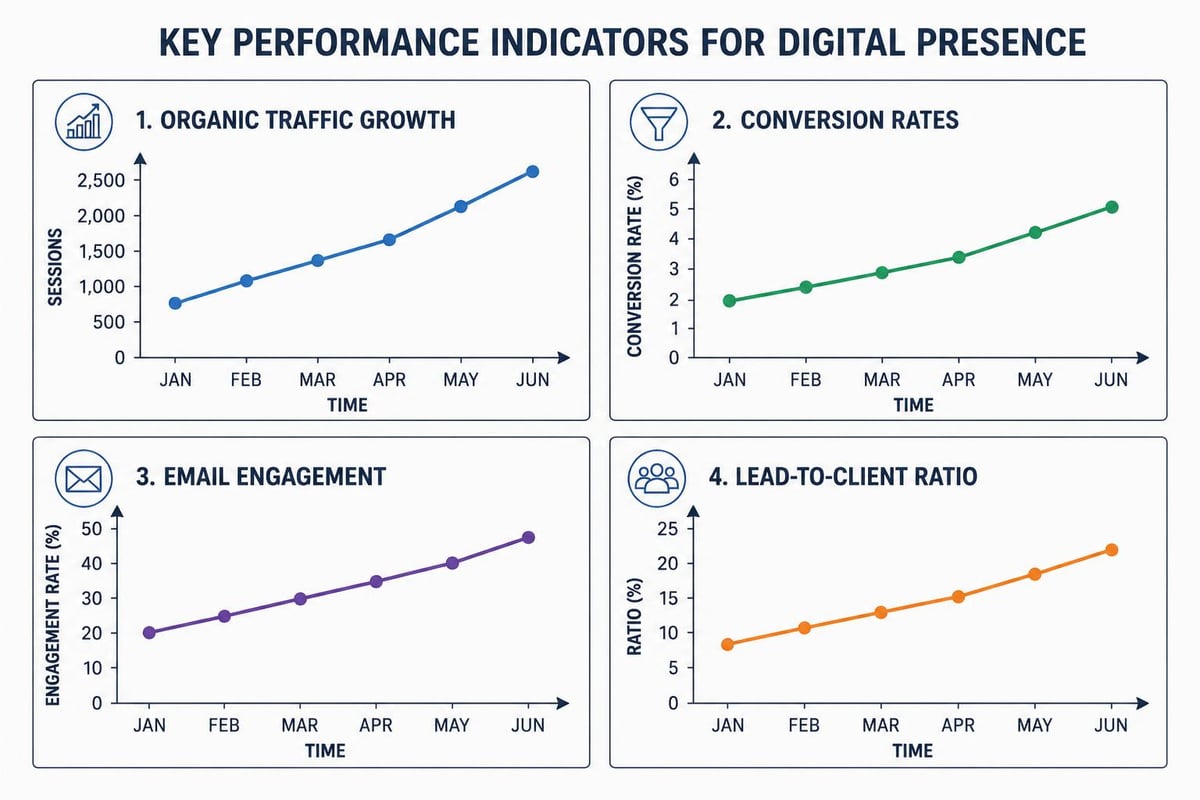
Digital presence only works if you track the right things. Traffic is vanity. Conversions are reality.
Here's what to measure:
- Organic search traffic from target keywords
- Conversion rate from visitor to lead (opt-in or contact form)
- Email open and click rates to gauge engagement
- Lead to client conversion rate
- Customer acquisition cost compared to lifetime value
The businesses that scale know their numbers. They know how many visitors they need to generate a lead, how many leads become clients, and what each client is worth over time. That clarity lets you invest confidently in the tactics that work and cut the ones that don't.
Use Google Analytics for traffic data, your CRM for lead flow, and simple spreadsheets to track conversion rates. You don't need expensive dashboards. You need honesty about what's working.
Common Mistakes That Kill Digital Presence
Even smart businesses get this wrong. Here are the patterns that undermine everything:
- Building a beautiful website with no clear call to action. If visitors don't know what to do next, they leave.
- Ignoring mobile experience. More than half your traffic is on a phone. If your site looks broken on mobile, you're invisible to most prospects.
- Publishing inconsistent content. One blog post every six months doesn't build authority. Commit to a schedule or don't bother.
- Not following up on leads. Your CRM should automate this. If it doesn't, you're leaving money on the table.
- Copying competitors instead of finding your own angle. Differentiation matters. Say something different or say it better.
The fix for most of these is structure. Systems catch leads, automation follows up, and documented processes keep content flowing. You don't need perfection. You need a repeatable approach that improves over time.
How Digital Presence Supports Long Term Growth
The real value of digital presence isn't immediate leads. It's the foundation for compounding growth. Every piece of content, every optimized page, every email sequence adds to a system that works harder the longer it exists.
In 2026, buyers research extensively before contacting anyone. They read reviews, compare options, consume content, and form opinions before raising their hand. Your digital presence is what they encounter during that research. If it's scattered, unclear, or generic, they move on. If it's cohesive, authoritative, and helpful, they opt in.
Approaches to building brand authority online emphasize consistency and value delivery across every touchpoint. That's not marketing fluff. It's how trust forms in environments where face-to-face interaction happens last, not first.
The businesses winning in service industries now aren't the loudest or the cheapest. They're the ones prospects already know, trust, and remember when the need arises. Digital presence is how you become that business.
Integrating Digital Presence Into Your Operations
Your digital presence isn't separate from your business. It should feed directly into how you operate, sell, and deliver.
When a lead opts in, your CRM should tag them, trigger a welcome sequence, and notify your team. When someone books a call, they should already know your pricing, process, and point of view. When a project wraps, your system should request a review and add them to a referral campaign.
This level of integration requires planning, but it's not complicated. Map the customer journey from awareness to advocacy, then build the digital touchpoints that support each stage:
- Awareness: Search-optimized content, social posts, ads
- Consideration: Opt-in offers, email sequences, case studies
- Decision: Clear service pages, testimonials, booking systems
- Delivery: Onboarding emails, project portals, updates
- Advocacy: Review requests, referral prompts, ongoing content
Each stage should connect seamlessly. That's what separates businesses with a digital presence from those just occupying space online.
Your digital presence is the most controllable lever you have for growth. It's not about being flashy or everywhere. It's about being clear, consistent, and useful where it counts. When you build this infrastructure properly, it turns attention into leads, leads into clients, and clients into long term relationships. MDO Digital helps service businesses design and build these systems with clarity, from high trust websites to CRM infrastructure and data driven marketing that converts. If you're ready to remove chaos and create structured growth, let's talk.