The term promotional agency usually brings to mind branded pens, coffee mugs, and trade show giveaways. That’s not wrong, but it’s incomplete. A promotional agency worth working with in 2026 doesn’t just slap your logo on stuff. They understand how physical touchpoints integrate with your broader marketing system. They know which products actually drive awareness, build trust, and support conversion. And they recognise that promotional products are only effective when they’re part of a structured strategy, not random acts of generosity.
For service businesses, this matters more than you’d think. The right promotional approach can warm cold leads, reinforce brand recall, and create tangible connection points that digital channels alone can’t deliver. The wrong approach wastes budget on forgettable items that end up in drawers or bins. This article breaks down what a promotional agency actually does, how to evaluate one, and how promotional tactics fit into systems that generate predictable demand.
What a Promotional Agency Actually Does
A promotional agency sources, customises, and distributes branded merchandise on behalf of businesses. That’s the surface level. The real work involves understanding your brand identity, identifying which products align with your audience, managing production timelines, and coordinating distribution logistics.
Core services typically include:
- Product sourcing and supplier management
- Design and branding consultation
- Quality control and sample approval
- Order fulfilment and inventory management
- Distribution coordination for events, direct mail, or client gifts
Some agencies operate purely as product brokers. They show you catalogues, take orders, and ship boxes. Others function more like marketing partners who recommend specific items based on campaign goals, customer personas, and budget constraints.
The difference matters. A broker helps you buy stuff. A strategic promotional agency helps you deploy branded touchpoints that support specific business outcomes. They ask about your sales cycle, your ideal client, and where physical products can strengthen relationships or accelerate decisions.
The Industry Context in 2026
The promotional products industry hit record sales of $27.7 billion in North America in 2025, outperforming broader economic growth. That’s not random. Businesses are investing in physical touchpoints precisely because digital channels feel saturated and impersonal.
Research from PPAI shows key trends shaping the space this year: sustainability requirements, personalisation at scale, and integration with CRM and automation platforms. Buyers want items that don’t end up in landfills, they want customisation that feels genuinely personal, and they want distribution coordinated through their existing marketing infrastructure.
This shift changes what to look for in a promotional agency. You’re not just evaluating product quality and pricing anymore. You’re assessing whether they understand systems, data, and how promotional tactics connect to your marketing strategy.
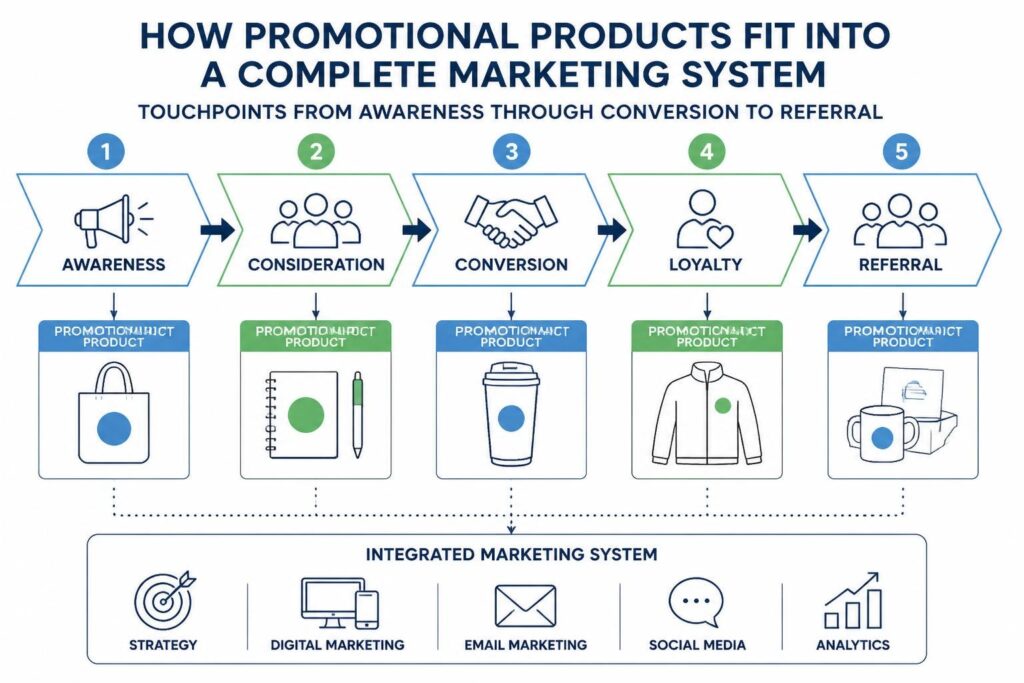
How Promotional Products Fit Into Marketing Systems
Promotional products aren’t a marketing strategy. They’re tactics that support a strategy. The distinction matters because most businesses treat them as standalone efforts: order 500 branded notebooks for a conference, hand them out, hope for the best. That’s not a system.
A system starts with clear goals. Are you trying to generate leads, nurture prospects, close deals, or encourage referrals? Each stage requires different approaches and different products.
| Marketing Stage | Goal | Suitable Promotional Products |
|---|---|---|
| Awareness | Get noticed, spark curiosity | Stickers, flyers, creative lightweight items |
| Consideration | Build trust, demonstrate value | Quality notebooks, helpful tools, branded resources |
| Conversion | Remove friction, reinforce decision | Welcome kits, onboarding materials, premium gifts |
| Retention | Strengthen relationship, increase satisfaction | Anniversary gifts, exclusive items, personalised thank yous |
| Referral | Encourage sharing, reward advocacy | Referral incentive items, shareable branded goods |
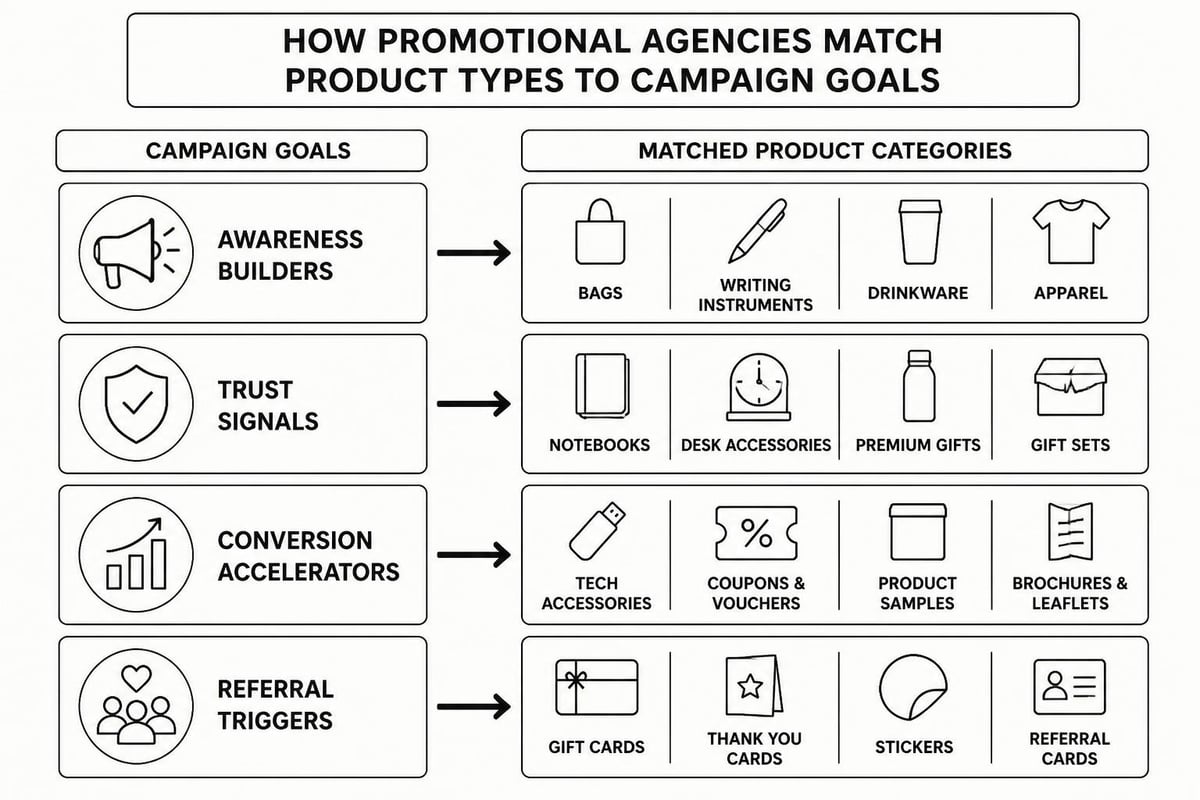
When a promotional agency understands this framework, they recommend items that match intent. Awareness items should be inexpensive and distributed broadly. Conversion items should feel premium and reinforce that someone made the right choice. Referral items should be worth sharing or showing off.
Integration With CRM and Automation
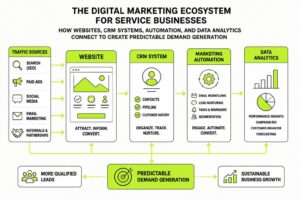
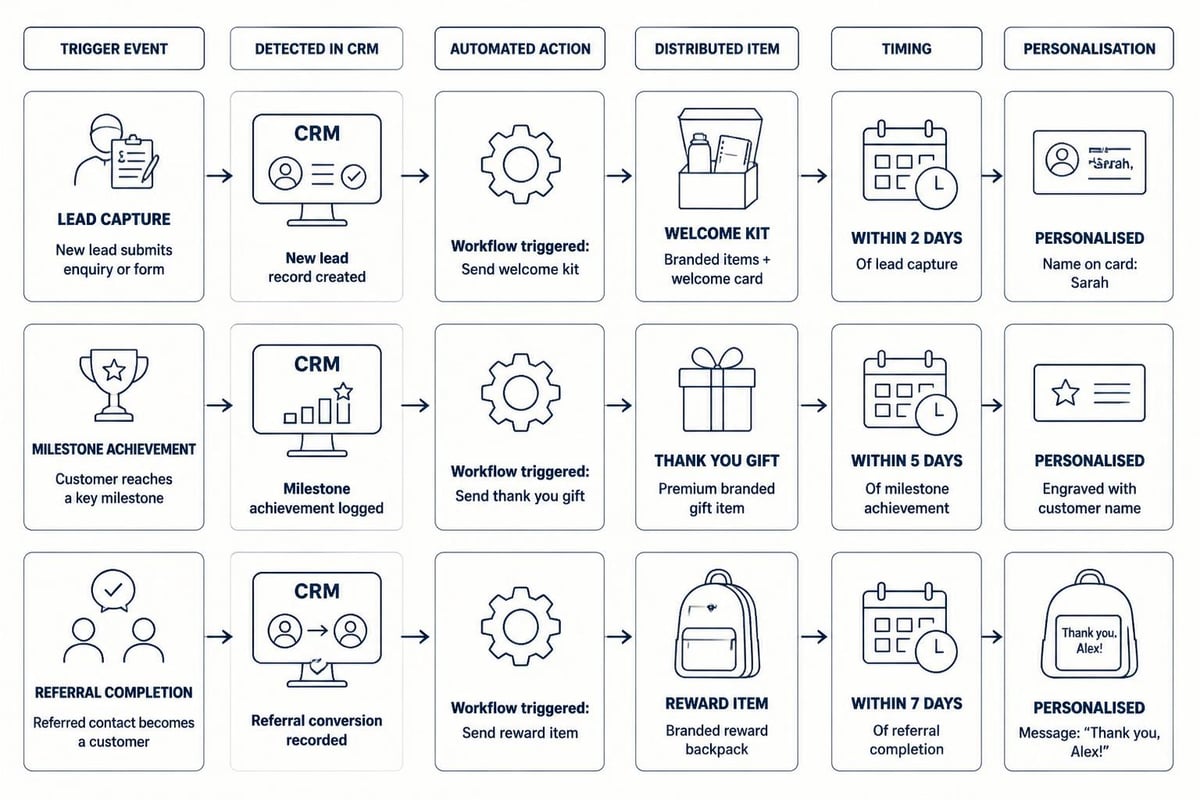
The best promotional strategies in 2026 aren’t manual. They’re triggered by customer behaviour and coordinated through your CRM. Someone downloads a lead magnet? They receive a branded resource in the mail. A client hits their first anniversary? A personalised gift ships automatically. A referral brings in a new client? Both parties get something meaningful.
This requires integration between your promotional agency, your fulfilment process, and your marketing automation platform. Not every agency can handle this. Many still operate on one-off orders and manual processing. If you’re building structured marketing systems, you need a promotional partner who can plug into them.
At MDO Digital, we see this gap constantly. Businesses invest in CRM infrastructure and automation workflows, then handle promotional products as a completely separate process. The disconnect kills efficiency and wastes opportunities to create memorable experiences at scale.
Building a repeatable framework helps. A 7-Step Marketing Plan gives you the structure to identify exactly where promotional touchpoints add value, from lead generation through referral generation, so you’re not guessing what to send or when.
Evaluating a Promotional Agency
Not all promotional agencies operate the same way. Some prioritise volume and price. Others focus on quality and strategic fit. Your choice depends on how you plan to use promotional products and what role they play in your overall system.
Key Evaluation Criteria
1. Strategic thinking vs. order taking
Do they ask about your business goals, customer journey, and campaign objectives? Or do they just show you catalogues and wait for you to pick items? Agencies that think strategically will challenge your assumptions, recommend alternatives, and explain why certain products work better for specific outcomes.
2. Supplier relationships and quality control
Promotional products vary wildly in quality. An agency with strong supplier relationships can source better items, negotiate pricing, and ensure consistent quality. Ask about their QC process, sample approval workflow, and how they handle defects or delays.
3. Production and delivery timelines
Market trends in 2026 show supply chain pressures still affecting lead times. A reliable promotional agency manages expectations clearly, builds buffer into timelines, and communicates proactively if issues arise. They don’t promise what they can’t deliver.
4. Design and branding capability
Can they translate your brand guidelines into product applications? Do they employ designers, or do they rely on supplier templates? Quality design work makes the difference between a promotional product that strengthens your brand and one that cheapens it.
5. Technology and integration options
Do they offer API access, CRM integration, or automated fulfilment? Can they handle personalised items at scale? These capabilities matter more each year as businesses move toward systems-driven marketing.
Questions to Ask Before Engaging
- What’s your typical client profile and project size?
- How do you handle rush orders or tight deadlines?
- What’s your markup structure and pricing model?
- Can you provide case studies showing campaign results, not just products delivered?
- How do you approach sustainability and ethical sourcing?
- What happens if products arrive damaged or incorrect?
These questions reveal whether an agency operates transactionally or strategically. Transactional agencies focus on orders and margins. Strategic agencies focus on outcomes and relationships.
Common Promotional Agency Pitfalls
Even when working with a solid promotional agency, mistakes happen. Most come down to unclear expectations, poor planning, or misalignment between promotional tactics and business goals.
Budget Without Strategy
Businesses often allocate a promotional budget without defining what success looks like. They spend money because they have it, not because they’ve identified specific opportunities where promotional products drive measurable results. This leads to random purchases that don’t connect to anything meaningful.
A better approach: start with campaign goals, identify where physical touchpoints add value, then allocate budget accordingly. If you can’t articulate why a particular promotional product supports a specific outcome, don’t buy it.
Quantity Over Quality
Buying 10,000 cheap pens feels productive. It’s also usually wasteful. Most recipients don’t keep low-quality items. They use them once, if at all, then bin them. You’ve spent money to create landfill and associate your brand with disposable junk.
Smaller quantities of higher-quality items nearly always outperform mass distribution of cheap stuff. People keep quality items. They use them repeatedly. They notice the brand each time. That repeated exposure delivers far more value than brief contact with a forgettable giveaway.
Ignoring Distribution Logistics
A promotional agency can deliver 5,000 branded notebooks to your warehouse. Great. Now what? Who’s packing them? Who’s shipping them? How are you tracking distribution and follow-up? Common pitfalls in promotional campaigns often involve perfect products that sit in storage because no one planned the distribution workflow.
Distribution planning should address:
- Storage requirements and inventory management
- Packing and shipping logistics
- Personalisation or customisation per recipient
- Tracking and attribution methods
- Follow-up systems and next steps
Without clear distribution plans, even the best promotional products fail to deliver results.
No Measurement Framework
How do you know if promotional products work? Most businesses can’t answer this. They send items into the world and hope something good happens. That’s not marketing. That’s hoping.
Set up measurement before you order. Use unique URLs, QR codes, or promo codes on items. Track redemption rates. Survey recipients. Monitor brand recall. Connect promotional distribution to pipeline activity in your CRM. Treat promotional products like any other marketing channel: measure, optimise, repeat what works.
Promotional Tactics That Actually Work for Service Businesses
Service businesses face unique challenges with promotional products. You’re not selling physical goods. You’re selling expertise, process, and outcomes. The promotional items that work for product companies often miss the mark for service providers.
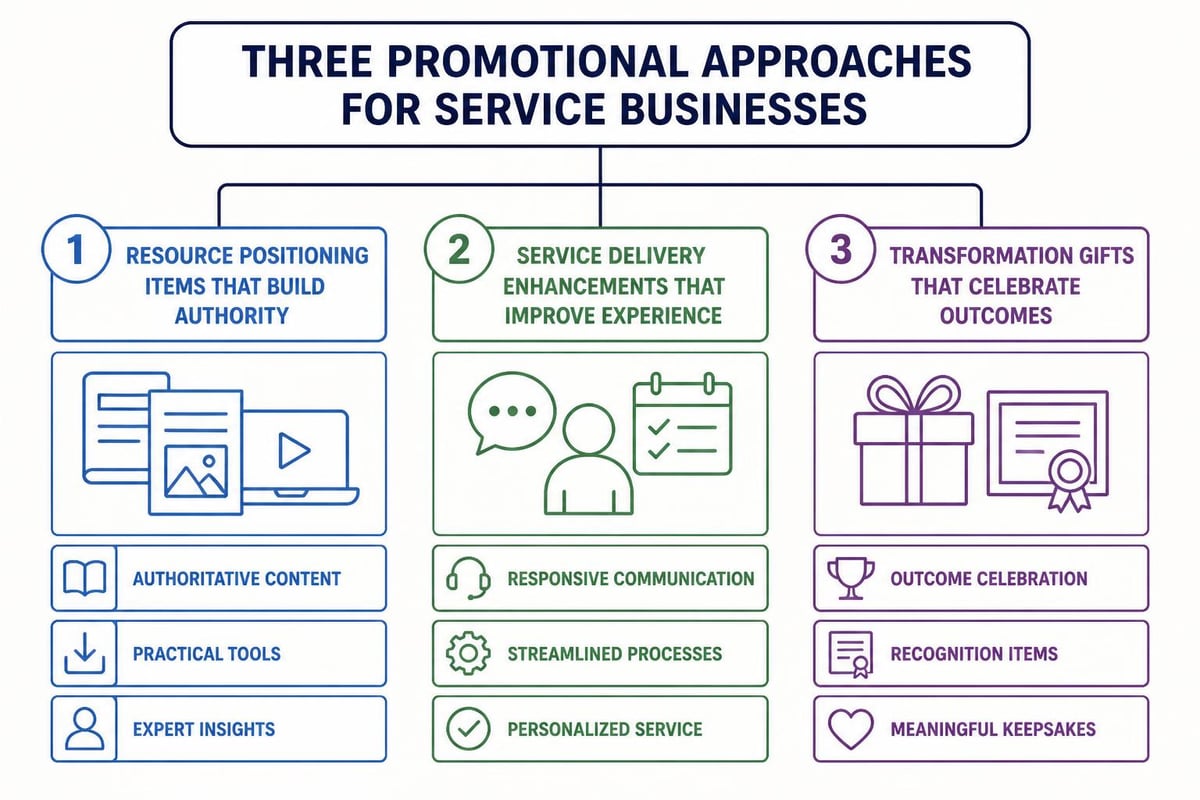
What works instead: items that position you as a valuable resource, items that support the delivery of your service, and items that reinforce the transformation you create.
Resource Positioning Items
Branded notebooks, planners, or workbooks that help your ideal client solve a related problem position you as helpful before they buy. A branding agency might create a brand strategy workbook. A marketing systems firm might offer a campaign planning template. These items deliver immediate value and keep your brand visible during the consideration phase.
Service Delivery Enhancements
Items that improve the client experience during service delivery strengthen relationships and increase satisfaction. Welcome kits for new clients, progress tracking tools, milestone celebration gifts. These aren’t promotional in the traditional sense. They’re part of delivering an outstanding experience that leads to referrals and retention.
Transformation Reinforcement
After someone achieves a result with your help, an item that commemorates that transformation creates emotional connection and encourages sharing. It’s the physical representation of an intangible outcome. A leadership coach might send a framed quote after a client achieves a breakthrough. A business consultant might send a custom piece celebrating a client’s growth milestone.
These approaches work because they align promotional products with how service businesses actually create value. You’re not interrupting attention with branded stuff. You’re enhancing experiences and reinforcing relationships.
The Economics of Working With a Promotional Agency
Understanding promotional agency pricing helps you budget accurately and avoid surprises. Most agencies make money through markup on products, not hourly fees. They source items from suppliers at wholesale prices and sell to you at retail prices. The difference is their margin.
Typical markup ranges from 20% to 100%, depending on product type, order volume, and service level. Custom design work, rush orders, and complex logistics increase costs. Bulk orders and repeat business usually reduce margins.
Pricing Models to Expect
| Model | How It Works | Best For |
|---|---|---|
| Product markup only | Wholesale price + percentage markup | Simple orders, standard products |
| Markup + design fee | Product markup + flat or hourly design charge | Custom designs, complex branding |
| Project fee | All-inclusive price for products, design, and delivery | Campaign-based work, multiple items |
| Retainer | Monthly fee for ongoing product sourcing and management | Regular promotional needs, multiple campaigns |
Transparency matters. Quality promotional agencies explain their pricing structure upfront. They provide detailed quotes showing product costs, design fees, shipping, and any other charges. They don’t hide margins or surprise you with add-ons.
Budgeting Considerations
When planning promotional spending, factor in:
- Product costs: The base price of items
- Customisation fees: Setup charges, print runs, embroidery
- Design work: If custom design is required
- Shipping and handling: Delivery to you or directly to recipients
- Storage: If you need the agency to warehouse inventory
- Waste and errors: Budget 5-10% buffer for mistakes or quality issues
Industry research on market trends shows promotional spending correlates with overall marketing budgets, typically representing 1-3% of total marketing spend for service businesses. That’s directional, not prescriptive. Your ideal allocation depends on how effectively promotional tactics support your specific goals.
Building a Promotional Strategy That Compounds
Random promotional efforts don’t compound. They’re isolated events that might generate short-term awareness but don’t build long-term value. Strategic promotional work compounds when it’s part of a system that reinforces itself over time.
Start With Customer Journey Mapping
Identify every stage of your customer journey: awareness, consideration, conversion, delivery, retention, referral. For each stage, ask: where could a physical touchpoint strengthen this interaction or remove friction?
Don’t force it. Not every stage needs a promotional element. But many stages benefit from thoughtful physical touches that digital channels can’t replicate.
Create Repeatable Promotional Workflows
Once you’ve identified valuable touchpoints, build them into repeatable workflows. New client? Welcome kit ships automatically. Quarterly review completed? Thank you gift triggers. Referral converts? Both parties receive something meaningful.
These workflows remove decision fatigue and ensure consistency. You’re not constantly wondering what to send or when. The system handles it. You just monitor performance and optimise over time.
Measure, Iterate, Improve
Track promotional effectiveness the same way you track digital marketing performance. What’s the cost per impression? How does brand recall change? Do recipients convert at higher rates? Does retention improve?
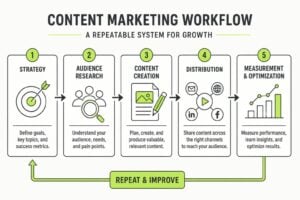
Use this data to refine your approach. Double down on what works. Cut what doesn’t. Test new items and new touchpoints. This iterative process is what turns promotional tactics into a compounding system that gets more effective over time.
When to Handle Promotional Work In-House vs. Agency
Not every business needs a promotional agency. For simple, infrequent orders, direct sourcing from suppliers makes sense. You save the agency markup and maintain direct control.
A promotional agency adds value when:
- You need strategic guidance on product selection and campaign design
- Order volume justifies negotiated pricing and dedicated account management
- You require custom design work or complex branding applications
- Distribution logistics are complicated or time-sensitive
- You want integration with CRM and marketing automation systems
- You lack internal bandwidth to manage suppliers, production, and quality control
In-house management makes sense when:
- You have simple, recurring product needs
- Internal design resources can handle customisation
- Order volumes are small or infrequent
- You have established supplier relationships
- Distribution is straightforward
Some businesses split the difference: agency for strategic campaigns and complex projects, direct sourcing for routine items. This hybrid approach captures agency expertise where it matters most while controlling costs on commodity purchases.
Promotional products work when they’re part of a system, not random acts of generosity. The right promotional agency doesn’t just source branded items. They help you identify where physical touchpoints strengthen relationships, build trust, and drive measurable outcomes. If you’re building marketing systems that convert attention into predictable demand, promotional strategy should plug into your broader infrastructure, not operate as a silo. MDO Digital helps service businesses create structured marketing systems where every touchpoint, digital or physical, supports clear goals and compounds over time.