Most service businesses treat digital marketing and content marketing as separate efforts. One team runs ads, another writes blog posts, and nothing connects. The result is wasted budget, confused messaging, and leads that disappear into the void. The truth is simpler than most agencies want you to believe. Digital marketing and content marketing aren't competing strategies. They're two parts of the same system, and when you build them to work together, you create a machine that compounds over time.
Why Digital Marketing and Content Marketing Need Each Other
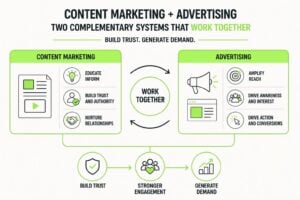
Digital marketing gives you reach. Content marketing gives you trust. Neither works properly without the other.
Digital marketing covers every channel where people find you online. Paid ads, SEO, email, social platforms, and automation all fall under this umbrella. It's the infrastructure that puts your message in front of the right people at the right time.
Content marketing is what you say once they're paying attention. It's the blog posts, case studies, email sequences, and landing pages that turn curiosity into trust and trust into decisions.
Here's where most businesses go wrong. They pour money into digital marketing without quality content to support it. Traffic arrives, finds nothing useful, and leaves. Or they create brilliant content but never build the systems to distribute it. Great writing sits unread because no one knows it exists.
The businesses that win do both. They use digital channels to amplify content that actually helps people, and they use that content to make every dollar of ad spend work harder.
The Core Components of Digital Marketing and Content Marketing
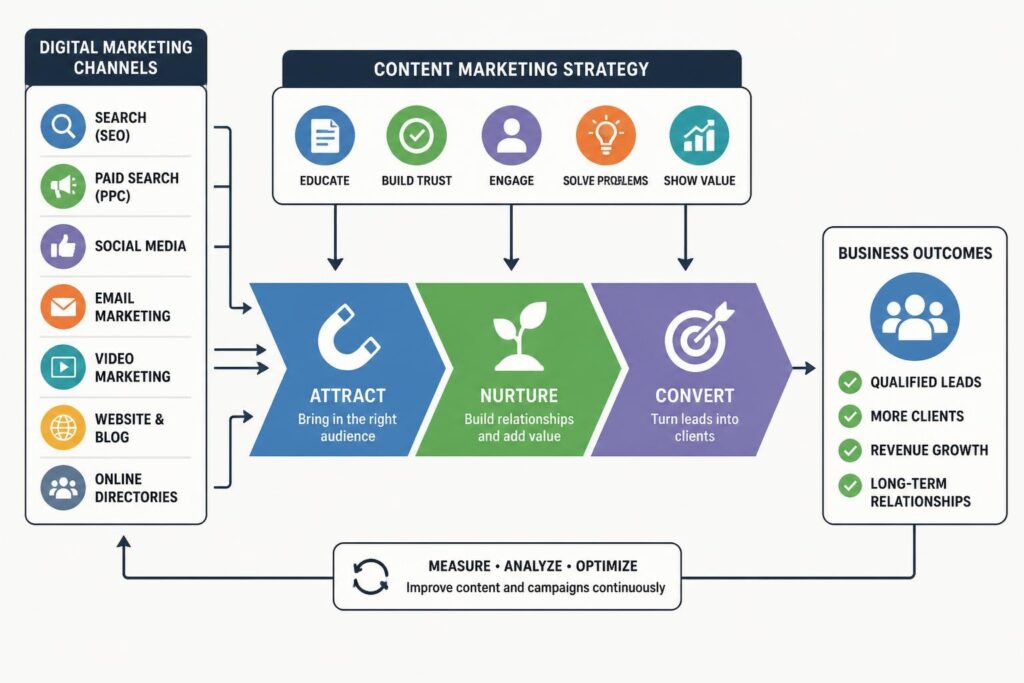
Understanding what fits where removes most of the confusion. Here's how the pieces break down.
Digital Marketing Channels
- Paid advertising: Google Ads, Facebook, LinkedIn, and other platforms where you pay for attention
- Search engine optimisation: The technical and strategic work that helps people find you organically
- Email marketing: Automated sequences and broadcasts that nurture leads over time
- Social media: Organic and paid activity on platforms where your buyers spend time
- Marketing automation: CRM systems, workflows, and triggers that move leads through your pipeline
- Analytics and tracking: The data layer that tells you what's working and what's burning money
These channels create the pathways. According to Wikipedia’s overview of digital marketing, modern businesses now operate across multiple touchpoints simultaneously, requiring integrated systems rather than isolated campaigns.
Content Marketing Assets
- Educational blog content that answers questions and builds authority
- Case studies and social proof that demonstrate results
- Lead magnets and opt-ins that exchange value for contact information
- Email nurture sequences that move prospects toward a decision
- Landing pages designed to convert traffic into action
- Video and visual content that explains complex concepts quickly
The content is what flows through the channels. Without strong content, your digital marketing becomes expensive noise. Without digital distribution, your content becomes a diary no one reads.
Building a System That Connects Both
The businesses getting real results from digital marketing and content marketing don't treat them as separate departments. They build one integrated system.
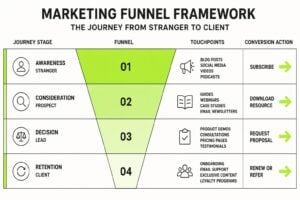
Start with the buyer's journey. Map every stage from first awareness to becoming a client. Then assign specific content and channels to each stage.
| Journey Stage | Content Type | Digital Channel | Goal |
|---|---|---|---|
| Awareness | Blog posts, social content | SEO, paid social | Get found by people with the problem you solve |
| Consideration | Guides, case studies | Email, retargeting | Build trust and demonstrate capability |
| Decision | Pricing pages, testimonials | Direct email, remarketing | Remove friction and close the sale |
| Retention | Onboarding content, updates | Email automation | Deliver results and generate referrals |
This table shows the basic framework. Your specific business will have variations, but the principle stays the same. Content and channels working together, stage by stage.
Most service businesses skip this step. They create content randomly and hope it works. They run ads to generic pages and wonder why conversion rates stay low. The fix is structure, not more budget.
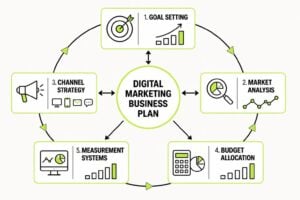
A practical framework helps here. The 7-Step Marketing Plan breaks down exactly how to connect your content strategy with the right platforms, build opt-in offers that capture leads, and create nurture campaigns that turn attention into clients. It's the kind of systematic approach that removes the guesswork from digital marketing and content marketing.
Creating Content That Supports Your Digital Channels
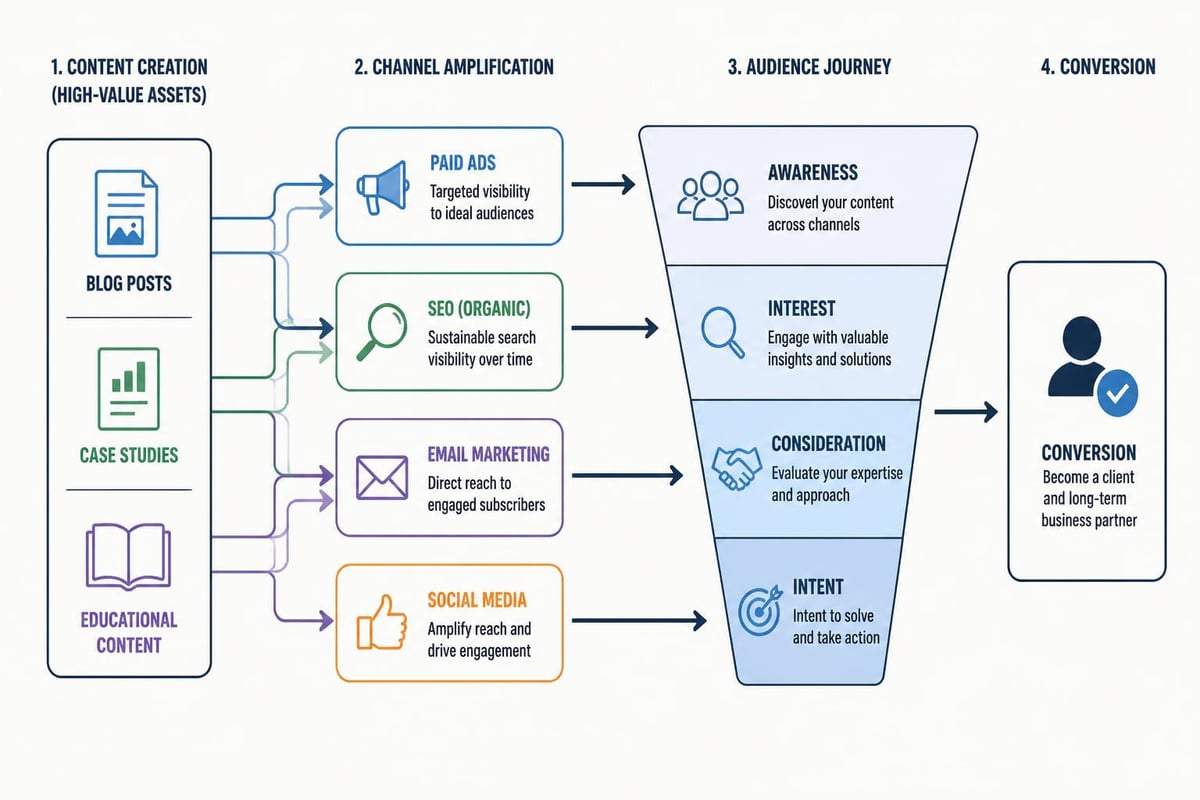
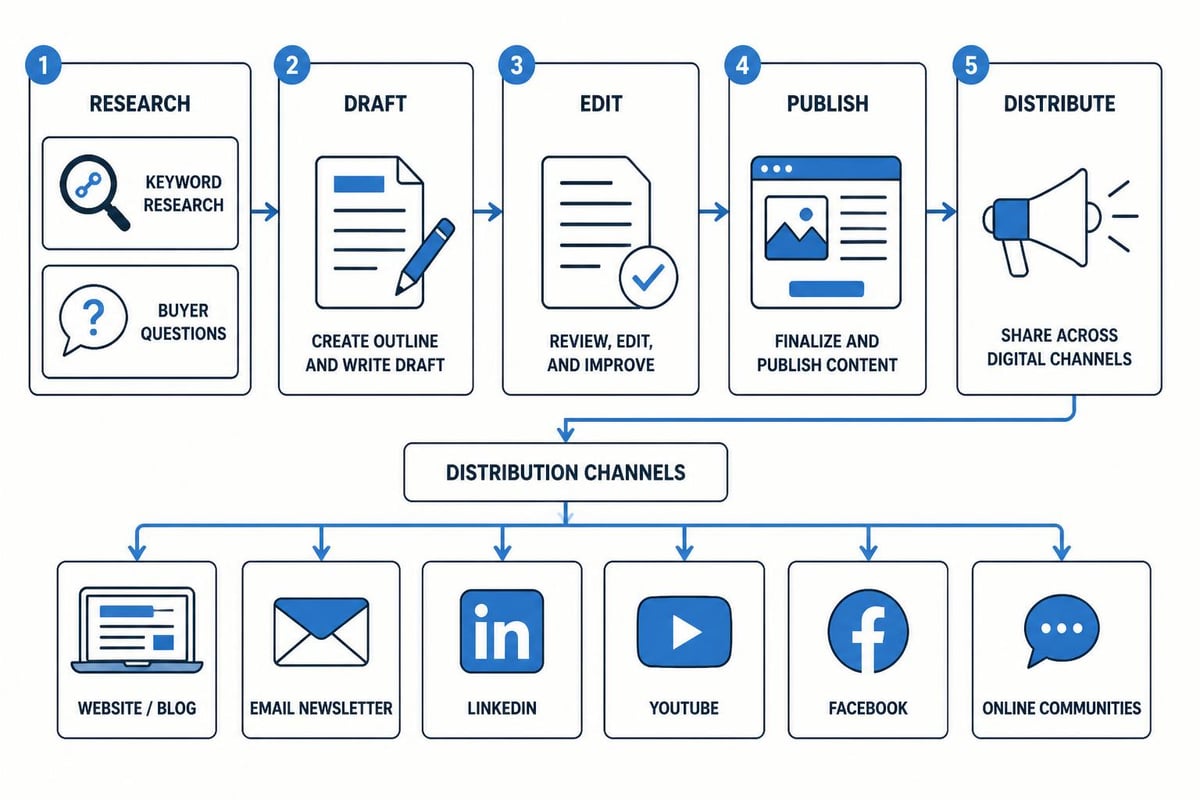
Every piece of content should have a job. Blog posts build SEO authority and attract cold traffic. Case studies provide proof for warmer prospects. Email sequences move people from interest to action.
Write for search intent first. When someone searches for "how to fix X problem", they want answers, not a sales pitch. Give them the answer. Build trust. Then offer the next step.
Strong service business content includes:
- Specific problems and practical solutions
- Real examples from your work (with numbers when possible)
- Clear next steps that move people forward
- No jargon or marketing fluff
- Honest talk about what works and what doesn't
The CMO Council’s Content ROI Center emphasises how quality content directly influences revenue when it's connected to clear business objectives rather than vanity metrics.
Using Data to Improve Both Strategies
Digital marketing and content marketing both generate data. Most businesses collect it and do nothing with it. The ones that win use data to make both strategies sharper over time.
Track what matters. Not vanity metrics like page views or social followers. Track metrics that connect to revenue.
Metrics That Matter
For digital channels:
- Cost per lead by channel
- Lead to client conversion rate
- Customer acquisition cost
- Return on ad spend
- Email open and click rates by sequence
For content performance:
- Organic traffic by topic cluster
- Time on page for key articles
- Lead magnet conversion rates
- Content assisted conversions
- Topics that generate the most qualified leads
When you connect these datasets, patterns emerge. You discover which content topics attract the best leads. You learn which digital channels send traffic that actually converts. You stop wasting money on tactics that look good but deliver nothing.
Research from TechTarget on content’s influence shows how data-driven content strategies outperform guesswork by significant margins, particularly in B2B and service sectors where buyer journeys are longer and trust matters more.
Common Mistakes Service Businesses Make
Even businesses that understand digital marketing and content marketing still make predictable mistakes. Awareness helps you avoid them.
Mistake 1: Creating content without distribution plans
You write a brilliant blog post. You publish it. Then nothing. No promotion, no email to your list, no social distribution, no paid amplification. The content dies in silence.
Fix: Build distribution into your content calendar. Every piece gets promoted through at least three channels. Plan it before you write.
Mistake 2: Running ads without proper content infrastructure
You launch Facebook ads to a homepage that says "we're great, trust us." No specific offer, no lead magnet, no clear next step. Traffic bounces.
Fix: Build landing pages with specific offers for each campaign. Match the message. Make the next step obvious.
Mistake 3: Treating every channel the same
LinkedIn content written like Instagram posts. Blog articles repurposed as tweets with no adaptation. Each platform has different context and user behaviour.
Fix: Adapt content for each channel. A blog post becomes a LinkedIn article, an email sequence, three social posts, and a script for video. Same core idea, different execution.
Mistake 4: No CRM or automation foundation
Leads come in through various channels and content touchpoints. They land in a spreadsheet or worse, an inbox. Nothing happens automatically. Follow-up depends on someone remembering.
Fix: Build proper automation infrastructure. Marketing automation that captures leads, tags them by source and interest, and triggers relevant nurture sequences removes the chaos.
How AI and Automation Are Changing the Game
The tools available for digital marketing and content marketing in 2026 are genuinely different from even two years ago. AI doesn't replace strategy, but it accelerates execution when used properly.
Where AI helps digital marketing:
- Audience segmentation and targeting optimisation
- Ad copy testing and variation generation
- Bid management and budget allocation
- Predictive analytics for campaign performance
- Chatbot qualification of inbound leads
Where AI helps content marketing:
- Research and outline generation for articles
- First draft acceleration (with human editing)
- Personalisation of email content at scale
- Content performance prediction
- Topic gap analysis and keyword research
Research published on neural network systems for marketing content demonstrates how AI can score content design effectiveness and provide data-driven recommendations, though human judgment remains essential for strategy and brand voice.
The mistake is thinking AI removes the need for strategy. It doesn't. It removes repetitive work and gives you back time for the thinking that actually matters.
Building Content Clusters That Rank
One blog post rarely ranks for competitive terms. A cluster of related content, properly linked and structured, builds topical authority over time.
Pick a core topic relevant to your service. Write a comprehensive pillar page that covers it broadly. Then create 8-12 supporting articles that dive deep into specific aspects. Link them together strategically.
Example cluster for a marketing agency:
- Pillar page: Complete guide to branding and marketing systems
- Supporting content: How to build a brand style guide, choosing brand colours that convert, writing brand messaging frameworks, brand consistency across channels, measuring brand effectiveness, etc.
Each supporting article links back to the pillar. The pillar links out to the supporting content. Search engines recognise the depth and reward it with better rankings. Readers find comprehensive resources that actually answer their questions.
The CMSWire content marketing resources consistently highlight how topic clusters and pillar content strategies outperform scattered one-off articles in both search performance and user engagement.
Creating Lead Magnets That Actually Convert
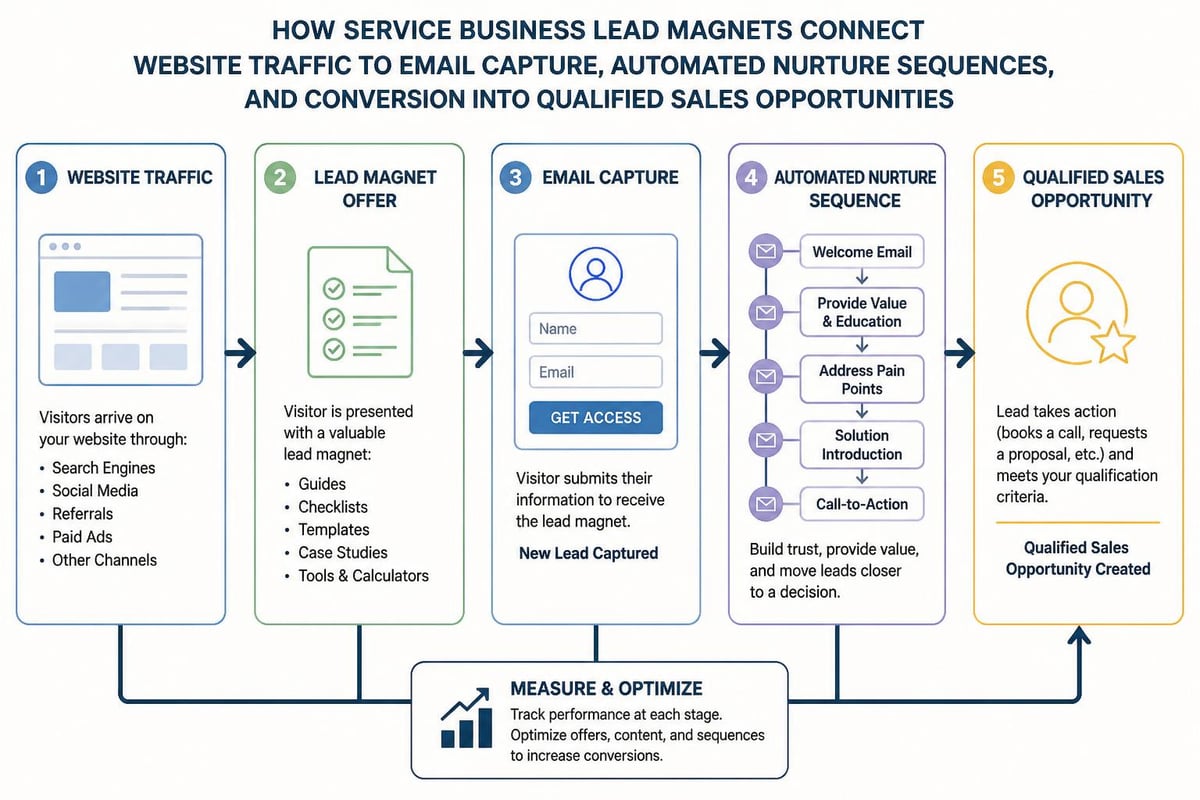
Digital marketing and content marketing intersect most clearly in lead generation. Your best content becomes the magnet that captures contact information.
Weak lead magnets promise everything and deliver fluff. Strong ones solve one specific problem completely.
| Weak Lead Magnet | Strong Lead Magnet |
|---|---|
| "Ultimate Marketing Guide" (87 pages of generic advice) | "5-Step Email Sequence Template for Service Businesses" |
| "Free Consultation" (too big an ask too early) | "Website Conversion Audit Checklist" |
| "Newsletter" (no specific value) | "Weekly Case Study: How We Generated X Results" |
The pattern is clear. Specific beats general. Actionable beats theoretical. Quick wins beat comprehensive tomes that no one reads.
Your lead magnet should:
- Solve one specific problem your ideal client has right now
- Deliver value in under 15 minutes
- Demonstrate your expertise without requiring a sales call
- Lead naturally to your paid service as the next step
Format matters less than value. A simple PDF checklist that helps someone make progress beats a beautifully designed guide they download and ignore.
Email Marketing as the Connecting Tissue
Email is where digital marketing and content marketing perform best together. It's the channel you own, unlike social platforms that change algorithms overnight.
Build sequences for different entry points:
- Blog subscriber sequence (educational, builds authority)
- Lead magnet sequence (solves specific problem, introduces services)
- Event or webinar follow-up (capitalises on high engagement)
- Abandoned contact form sequence (recovers lost opportunities)
- Client onboarding sequence (delivers results, generates referrals)
Each sequence uses content strategically. Not every email is a sales pitch. You're building trust over time, demonstrating expertise, staying present until the prospect is ready to buy.
The businesses getting this right send 2-3 educational emails for every promotional one. They personalise based on behaviour, not just name fields. They test subject lines, send times, and calls to action obsessively.
According to MarTech’s content marketing coverage, email continues to deliver the highest ROI of any digital channel when combined with strong content strategy, particularly for considered purchases like professional services.
Measuring What Actually Matters
Digital marketing and content marketing both generate mountains of data. Most of it means nothing for your business.
Focus on the metrics that connect to actual business outcomes. Revenue, not vanity.
Dashboard Essentials
Track these weekly:
- New leads by source: Which channels and content pieces generate the most leads
- Lead quality score: Not all leads are equal; track which sources convert to clients
- Content performance: Page views mean little; track which articles generate leads
- Email engagement: Open rates by sequence, click-through rates, unsubscribe patterns
- Conversion rates by stage: Landing page to lead, lead to call, call to client
- Customer acquisition cost: Total marketing spend divided by new clients
- Customer lifetime value: What a client is worth over time
When CAC stays lower than LTV and the gap grows, you're winning. Everything else is commentary.
Build monthly reviews into your calendar. Look at what's working and double down. Kill what's not. The businesses that grow consistently treat marketing as a system to optimise, not a creative exercise to admire.
Integration Over Isolation
The biggest shift in thinking comes when you stop seeing digital marketing and content marketing as separate budgets, teams, or strategies. They're one system with different components.
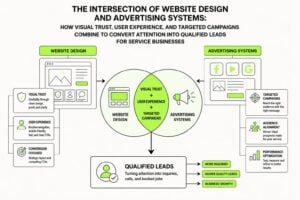
Your paid ads should promote your best content. Your organic content should be optimised for the searches your ads target. Your email sequences should leverage both. Your CRM should track every touchpoint and use that data to personalise what happens next.
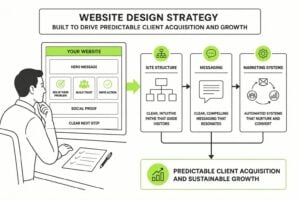
This requires different tools talking to each other. Website design and development that integrates with your CRM. Ad platforms connected to your analytics. Content management systems that trigger automation workflows.
Most businesses patch together disconnected tools and wonder why nothing compounds. The answer is infrastructure. Build the foundation properly and everything else gets easier.
Moving From Chaos to Systems
Service businesses often start marketing through random acts of content. A blog post here, a Facebook ad there, an email when they remember. It creates activity without momentum.
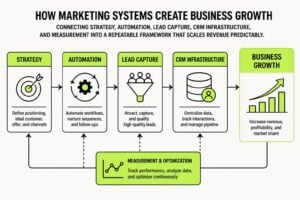
The shift to systems thinking changes everything. You build repeatable processes. You create content calendars that map to business goals. You set up automation that works while you sleep. You test, measure, and improve based on data instead of gut feeling.
Digital marketing and content marketing, executed as one integrated system, remove the chaos. MDO Digital’s approach to marketing systems focuses exactly on this transformation, helping service businesses build the infrastructure that turns attention into predictable demand.
Your content attracts the right people. Your digital channels amplify it. Your automation captures and nurtures leads. Your CRM protects them from falling through cracks. Your data tells you what to improve. The system compounds.
That's how you grow without constantly chasing the next tactic or wondering where your leads went. You build something that works, then you make it work better.
Digital marketing and content marketing aren't competing priorities. They're the two sides of a system that either works together or wastes your budget separately. Build the content that demonstrates your expertise, create the channels that distribute it strategically, connect them with automation that actually works, and measure what matters. If you're ready to stop patching together disconnected tactics and build a marketing system that compounds, MDO Digital helps service businesses do exactly that with clarity and structure that protects every lead.