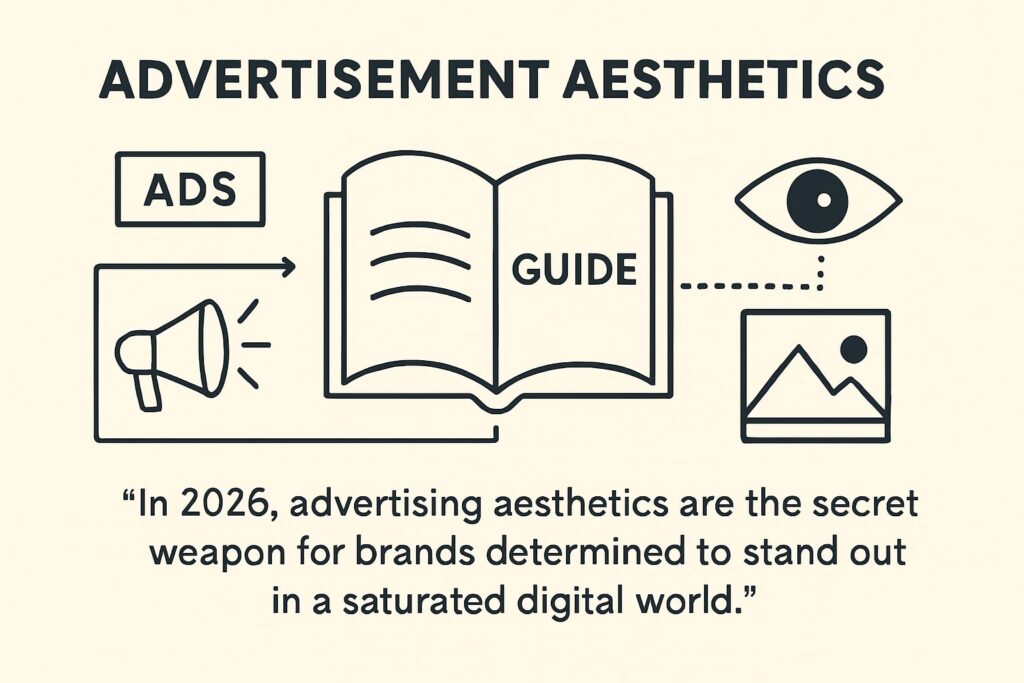
In 2026, advertising aesthetics are the secret weapon for brands determined to stand out in a saturated digital world. The right visuals do more than catch the eye, they shape perception and drive real engagement.
This guide will show you how mastering advertising aesthetics can elevate your brand, spark conversations, and leave a lasting impression as trends and technologies evolve. You will find actionable steps, emerging visual trends, psychological insights, and strategies for integrating new tools.
Ready to future-proof your brand? Let’s explore the art and science that make brands unforgettable in the year ahead.
The Evolution of Advertising Aesthetics: 2020-2026
The world of advertising aesthetics has changed more in the past six years than in the previous two decades. Brands now face a fast-moving landscape where visuals can make or break their connection with consumers. If you want to stay ahead, understanding how advertising aesthetics have evolved is essential.
Shifting Consumer Expectations and Visual Trends
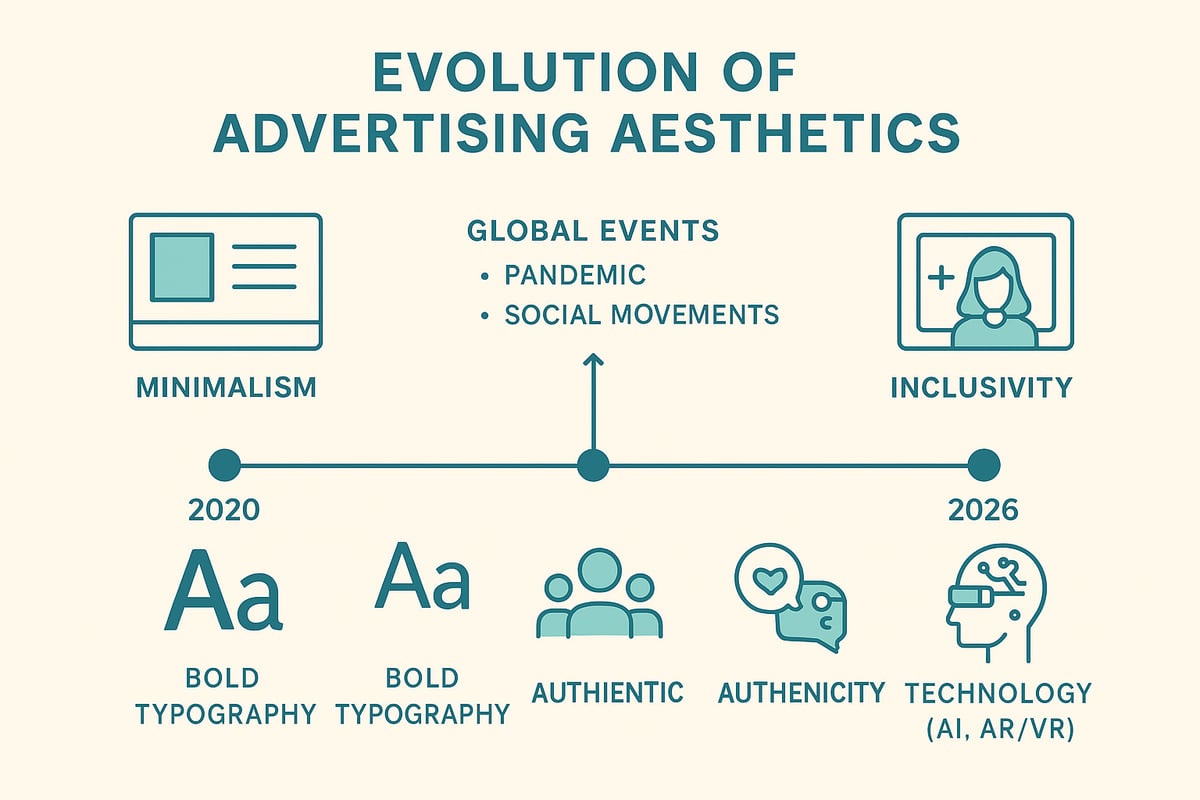
Since 2020, advertising aesthetics have shifted dramatically. Minimalist designs, bold typography, and immersive visuals have become the new normal. Consumers are drawn to visuals that feel fresh, clean, and intentional.
Social media platforms, especially those built around short-form video, have influenced ad design. Static ads are being replaced by dynamic, interactive content that invites participation. Brands are no longer just seen, but experienced.
A recent study found that 78% of consumers say brand visuals influence their purchase decisions (HubSpot, 2023). This data highlights why advertising aesthetics cannot be an afterthought.
Let’s compare how trends have changed:
| Trend | 2020 | 2026 |
|---|---|---|
| Visual Style | Busy, multi-layered | Minimal, purposeful |
| Typography | Safe, standard fonts | Bold, expressive type |
| Interactivity | Mostly static | Dynamic, interactive |
| Authenticity | Polished perfection | Real, relatable, inclusive |
The demand for authenticity and inclusivity is now front and centre. Global events like the pandemic and social movements have pushed brands to reflect real people and stories in their visuals. Consumers expect to see themselves represented and want to support brands that share their values.
If you’re curious about what’s driving these shifts, check out the Design trends for 2026 for a deeper dive into what’s coming next in advertising aesthetics.
Brands that adapt their advertising aesthetics to these new realities stay relevant and memorable. Those who don’t risk fading into the background.
The Role of Technology in Shaping Aesthetic Trends
Technology is now the backbone of advertising aesthetics. AI-generated design and creative automation let brands produce high-quality visuals quickly and at scale. Even small businesses can access tools that were once reserved for big agencies.
Augmented reality (AR) and virtual reality (VR) have moved from novelty to mainstream. Imagine trying on sunglasses virtually or seeing how a sofa looks in your living room—all powered by AR. Brands using AR for virtual product trials are seeing real results, with AR ads achieving twice the engagement rates of traditional formats (Statista, 2024).
3D visuals and interactive experiences are also raising the bar for what consumers expect. These tools make advertising aesthetics more immersive and memorable, turning ads into experiences rather than interruptions.
Here are a few ways technology is reshaping advertising aesthetics:
- AI tools generate fresh ad creatives in minutes.
- AR filters and VR environments foster deeper engagement.
- Design platforms democratise creative power for all brands.
The key takeaway? Technology empowers brands to experiment, personalise, and scale their advertising aesthetics like never before. The brands that embrace these tools will not only keep up—they’ll set the pace.
Core Principles of Modern Advertising Aesthetics
Modern advertising aesthetics are built on a foundation of proven design principles and psychological insights. To create ads that connect and convert in 2026, you need to master both the science and art behind every visual choice.
The Psychology of Colour, Typography, and Composition
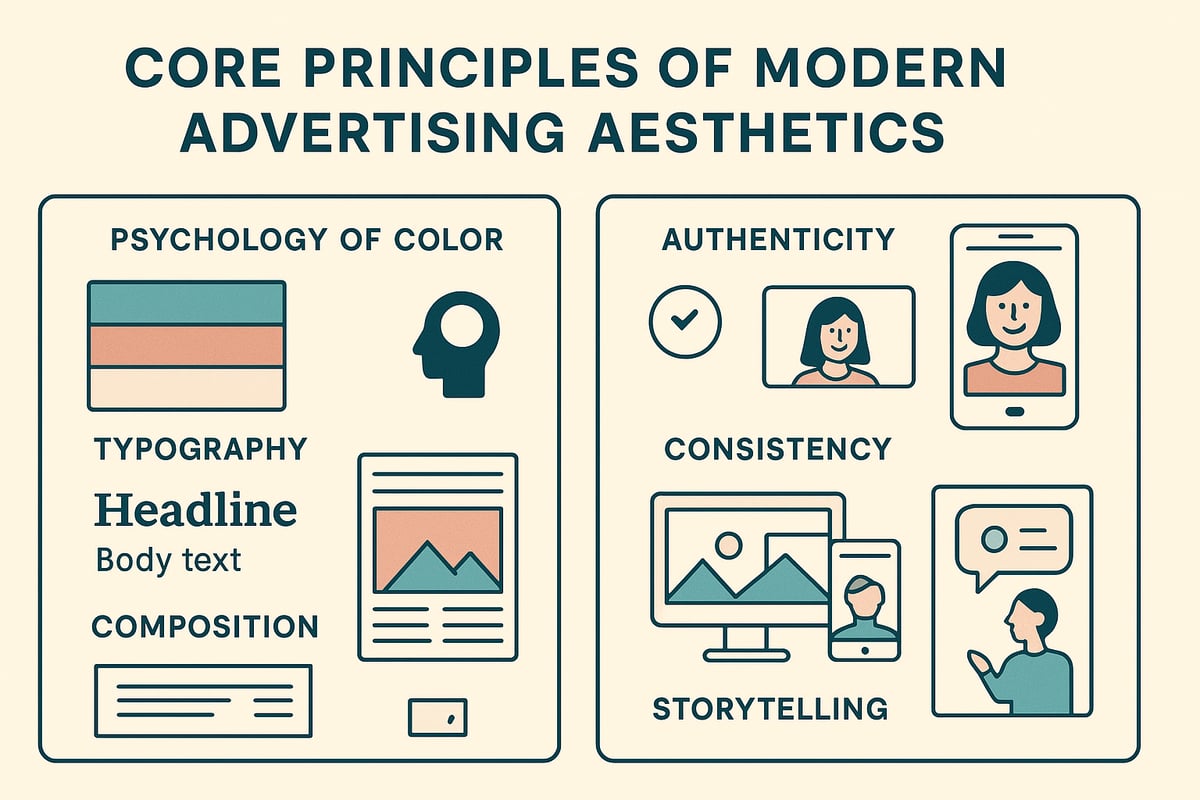
Colour, typography, and layout are the backbone of advertising aesthetics. Each element triggers a response in your audience, shaping how your brand is seen and remembered.
Colour palettes carry emotional weight. Blues and greens can build trust, while reds and oranges grab attention. The right combination creates an instant mood for your ad. According to Visual branding psychology statistics, 78% of consumers say a brand’s visuals directly influence their buying decisions.
Typography does more than display words. It gives your brand a voice. Bold fonts suggest confidence, while soft, rounded fonts feel approachable. Choosing the right typeface is a small step that makes a big difference in advertising aesthetics.
Composition brings it all together. Balanced layouts, smart use of negative space, and symmetry can make your message clear and easy on the eye. People notice when an ad feels cluttered or off-kilter, so keep it clean and focused.
Consider this quick table:
| Element | Emotional Cue | Example Brand Use |
|---|---|---|
| Blue Tones | Trust, Calm | Fintech, Healthcare |
| Bold Fonts | Energy, Strength | Fitness, Tech |
| Minimal Layout | Focus, Clarity | Wellness, Startups |
Consistent, thoughtful use of these elements in your advertising aesthetics not only boosts recognition but also builds trust that lasts.
Authenticity, Consistency, and Storytelling
Beyond the basics, the true power of advertising aesthetics lies in authenticity and consistency. Today’s audiences crave real stories and relatable visuals, not just polished perfection.
Authenticity starts with showing your brand’s true character. Think about the rise of user-generated content in campaigns. Real customer photos or behind-the-scenes shots often outperform high-budget studio images, because people connect with what feels genuine. This shift in advertising aesthetics encourages brands to drop the filter and show their human side.
Consistency is just as crucial. Every ad, social post, and website banner should share a unified look and feel. This doesn’t mean being boring, but rather making sure your color palette, fonts, and imagery all tell the same story. It’s this repetition that cements your brand in the minds of your audience.
Visual storytelling is the glue that holds it all together. Instead of shouting features, let your visuals narrate a journey. A series of images can show transformation, progress, or customer experiences. This approach to advertising aesthetics draws people in and keeps them engaged.
Here are three steps to build authenticity and consistency:
- Use real-world visuals from your team or customers.
- Create a style guide for your brand’s imagery and stick to it.
- Adapt your story for each platform, but keep the core message intact.
In 2026, brands that invest in authentic, consistent advertising aesthetics will stand out, earn loyalty, and leave a lasting impression.
Step-by-Step Guide: Developing Your Brand’s Aesthetic Identity for 2026
Building a future-proof brand starts with a sharp eye on your visuals. In 2026, advertising aesthetics are more than a trend, they are the backbone of brand recognition and customer connection. This guide will walk you through a practical, no-nonsense process to elevate your brand’s look and feel, ensuring you stand out in a crowded market.
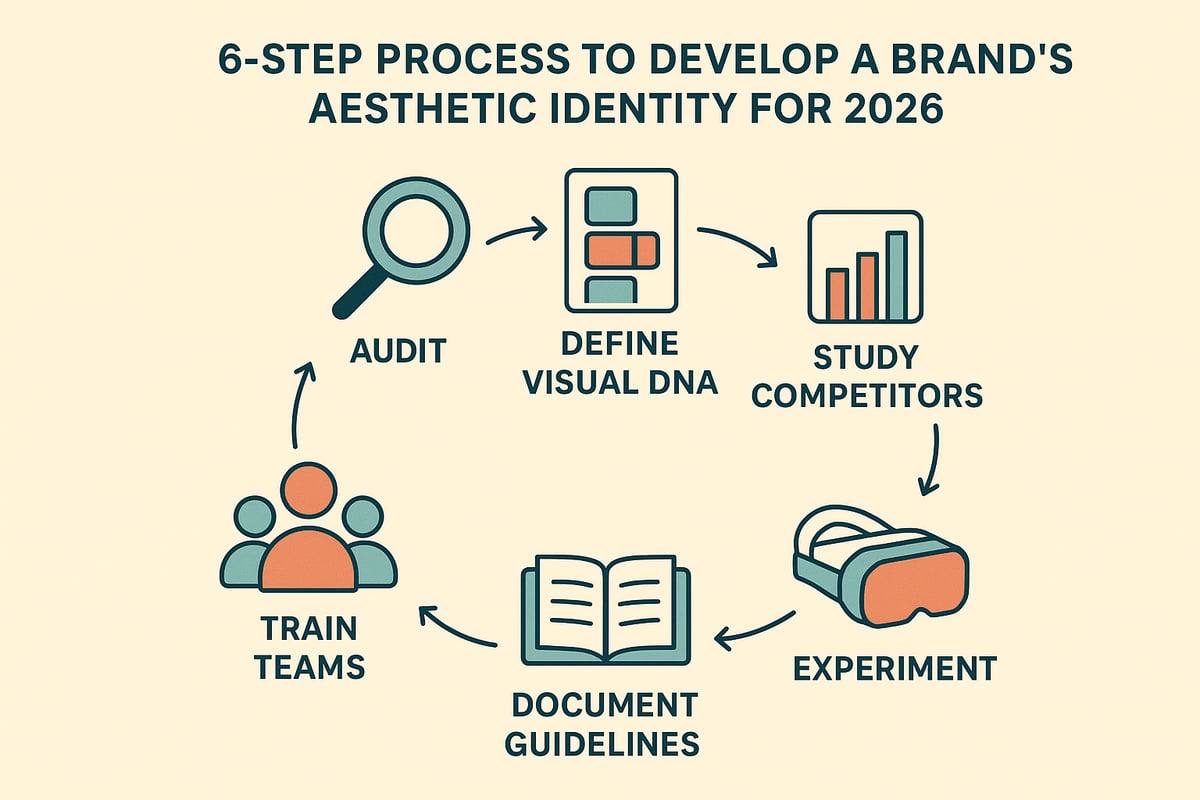
Step 1: Audit and Analyze Your Current Visuals
The first step to mastering advertising aesthetics is a thorough audit of your existing brand visuals. Review your ads, website, and social media feeds. Are your colours, logos, and fonts consistent? Do your visuals genuinely reflect your brand’s personality, or are they a mishmash of old trends and quick fixes?
Use tools like Canva Brand Kit or Adobe CC Libraries to compare assets side by side. Keep a checklist handy:
- Consistent logo usage
- Cohesive colour palette
- Unified typography
- Image style alignment
Dive into analytics. Which visuals get the most engagement? Are users responding to certain colours or layouts? If this feels overwhelming, consider tapping into digital marketing services for a professional eye. Remember, a solid audit is the foundation of strong advertising aesthetics.
Step 2: Define Your Brand’s Visual DNA
With your audit complete, it’s time to intentionally craft your brand’s visual DNA. This means choosing core elements that will shape every piece of content you create. In advertising aesthetics, clarity and intention beat following every shiny new trend.
Define:
- Primary and secondary colours
- Approved fonts (headlines, body, accents)
- Imagery style (photo, illustration, minimal, bold)
- Iconography and graphic elements
Align these choices with your brand’s core values and the audience you want to reach. For example, eco-friendly brands often lean on earthy tones and organic textures to signal authenticity. This is where advertising aesthetics become a living, breathing part of your brand identity. If you need support, don’t hesitate to seek expert advice.
Step 3: Study Competitors and Industry Benchmarks
You wouldn’t play footy without sizing up the other team. The same goes for advertising aesthetics. Regularly review what competitors are doing, especially those who lead your sector.
Identify:
- Which visuals are trending in your industry?
- Are there gaps you can fill or angles you can own?
- What tone, colours, or formats dominate top-performing ads?
According to HubSpot, 65% of marketers track competitor visuals monthly. This habit keeps your brand from blending into the background. Use your findings to spot fresh opportunities and avoid becoming a carbon copy. In advertising aesthetics, differentiation is your best friend.
Step 4: Experiment and Iterate with Emerging Trends
Now, it’s time to get your hands dirty. Advertising aesthetics in 2026 thrive on experimentation. Test new formats like motion graphics, interactive ads, or even AR filters. Short-form video and shoppable content are gaining traction fast.
Set up A/B tests to see which visuals drive engagement. For example, try animated product demos versus static images. Retailers are seeing success with shoppable videos that blend storytelling and direct sales.
Keep a close eye on metrics. What gets clicks, saves, or shares? Don’t be afraid to pivot if something falls flat. The best brands in advertising aesthetics embrace trial and error as a pathway to creative breakthroughs.
Step 5: Document and Implement Visual Guidelines
Consistency is the secret sauce of memorable advertising aesthetics. After experimenting, capture your hard-earned insights in a comprehensive style guide. This should cover everything from digital ads to business cards.
Include:
- Colour codes and font names
- Logo usage rules
- Image and illustration examples
- Dos and don’ts for each platform
Make your guide accessible to everyone involved in content creation. Consistent application across all channels not only builds trust but also accelerates brand recognition. In a world of fleeting attention, strong advertising aesthetics make your brand stick.
Step 6: Train Teams and Enforce Consistency
Finally, ensure your team is on the same page. Run training sessions to walk through your style guide and explain the ‘why’ behind your choices. Use collaboration tools like Figma or Notion to manage assets and feedback in real time.
Regularly review new content for off-brand visuals. If something slips through, address it quickly and positively. The goal is not to police creativity but to empower everyone to contribute to a unified brand story.
By following these steps, you’ll build advertising aesthetics that are not only visually stunning but also strategically aligned with your business goals.
Harnessing Technology to Enhance Advertising Aesthetics
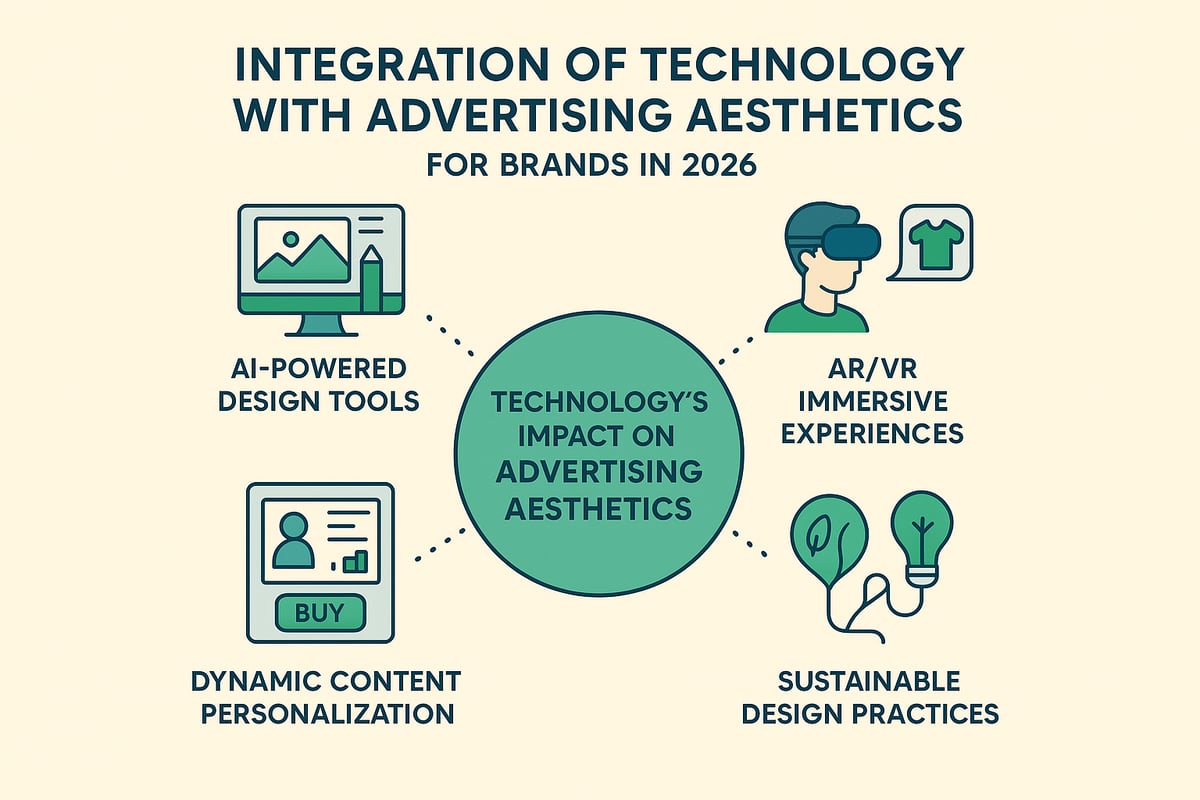
Technology is now the backbone of advertising aesthetics, giving brands more creative muscle than ever. Embracing the latest tech trends is no longer optional if you want to stand out. Let’s dive into how AI, AR, and ethical design are reshaping what’s possible in 2026.
AI and Automation in Visual Design
AI is changing the game for advertising aesthetics by taking on time-consuming creative tasks and unlocking new possibilities. Brands now use AI-powered tools to generate fresh ad creatives, test visual elements, and adapt layouts across platforms without breaking a sweat.
Some popular AI tools in 2026 include:
- Midjourney for quick concept generation
- Adobe Firefly for creative variations
- Automated resizing and format adaptation
According to Salesforce, 58% of marketers now rely on AI for creative testing. This surge in automation means advertising aesthetics can be personalised for each campaign or audience segment, while still saving time and budget. Even small brands can now compete visually, thanks to these advancements.
Augmented Reality (AR), Virtual Reality (VR), and Immersive Experiences
AR and VR have moved from futuristic buzzwords to practical tools for advertising aesthetics. Brands use AR filters for virtual product trials, letting customers “try before they buy” from anywhere. In the beauty and fashion sectors, AR-powered try-ons are boosting engagement and sales.
Consider this: AR ads average twice the engagement of static formats, according to Statista. And Snapchat reports that 70% of Gen Z prefers brands that offer immersive experiences. If you want inspiration, check out these real-world case studies for examples of brands using AR and VR to create memorable campaigns.
Immersive visuals are no longer a luxury. They are now a crucial part of advertising aesthetics, helping brands connect and convert with new audiences.
Personalization and Dynamic Content Delivery
Personalization is now at the heart of advertising aesthetics. Brands can deliver dynamic visuals customized to each viewer’s preferences, location, and behavior. Imagine an e-commerce ad that automatically swaps product images or colors based on your browsing history.
Dynamic content delivery tools allow marketers to:
- Swap visuals in real time
- Test multiple creative versions
- Adapt messaging instantly for different audiences
This approach not only keeps advertising aesthetics fresh but also increases engagement. Personalized visuals feel more relevant, encouraging viewers to click, share, or shop.
Sustainable and Ethical Design Technology
Sustainability is shaping the future of advertising aesthetics, with more brands seeking eco-friendly solutions. Digital ads have a carbon footprint, so tools that measure and reduce energy use are gaining traction. Many creative suites now include features to optimize file sizes and streamline assets for lower energy consumption.
Ethical design goes hand in hand with sustainability. Brands are adopting inclusive visuals, transparent practices, and accessibility standards to appeal to conscious consumers. This mindset isn’t just good for the planet—it enhances advertising aesthetics by building trust and long-term loyalty.
Measuring the Impact: KPIs and Success Metrics for Aesthetic-Driven Campaigns
In a world where every pixel counts, measuring the impact of your advertising aesthetics is just as important as creating them. Without clear metrics, it is impossible to know if your visuals are truly driving engagement, brand recall, or conversion. Let us break down how to track, analyze, and continually improve your aesthetic-driven campaigns.
Visual Performance Metrics to Track
The first step in evaluating advertising aesthetics is to monitor how your visuals perform in the wild. Key performance indicators (KPIs) include:
- Click-through rate (CTR)
- Average view time
- Shares and saves on social platforms
- Brand recall and sentiment analysis
According to Nielsen, visually optimized ads have a 30% higher recall rate, proving just how much design choices influence memory. Animated ads often outperform static ones, offering movement that draws the eye and keeps people engaged.
Visual storytelling also plays a huge role, especially across diverse markets. For example, campaigns that leverage local cultural elements, as explored in Visual storytelling in GCC advertising, often see a boost in emotional connection and engagement. By tracking these metrics, you can directly tie the power of advertising aesthetics to tangible marketing outcomes.
Attribution and ROI for Aesthetic Investments
Once you are tracking the right metrics, the next challenge is linking your improved advertising aesthetics to actual business results. Attribution tools like Google Analytics, Meta Ads Manager, and Brandwatch help you connect visual changes to conversion rates and sales.
Here is a quick comparison of common tools:
| Tool | Best For | Key Feature |
|---|---|---|
| Google Analytics | Website performance | Conversion tracking |
| Meta Ads Manager | Social campaigns | A/B creative testing |
| Brandwatch | Sentiment analysis | Visual trend spotting |
Calculating cost versus benefit is essential. Sometimes, a modest investment in upgraded visuals can yield outsized growth in engagement or sales. If you are unsure where to start or want expert guidance, you can always book a strategy call to dig deeper into your brand’s visual ROI.
Continuous Improvement through Data-Driven Insights
Measuring advertising aesthetics is not a one-and-done task. It is an ongoing cycle of testing, learning, and refining. Use analytics to spot which visuals resonate most, then run A/B tests to fine-tune color, layout, or animation.
Listen to feedback from your audience, both direct and through data. If one style gets shared more or sparks positive comments, consider it a sign your advertising aesthetics are hitting the mark.
By closing the loop between creative flair and hard numbers, you ensure your brand’s visuals are not just beautiful, but also high-performing. In the end, the brands that keep a close eye on the data will lead the pack in 2026.
Real-World Success Stories: Brands Elevating with Aesthetics in 2026
In 2026, brands that master advertising aesthetics are rewriting the rules of engagement. The most successful campaigns combine bold visuals with authentic storytelling and tech-powered interactivity. Below, we explore how leaders in fashion, tech, and food & beverage are setting new benchmarks for the industry.
Fashion Brand: Bold Inclusivity Goes Global
A leading fashion label embraced advertising aesthetics by shifting from traditional, airbrushed models to diverse, relatable faces. Their 2026 campaigns feature vibrant color palettes and playful layouts inspired by emerging typography trends for 2026. The result is global resonance, with social engagement up 35 percent and a noticeable boost in brand loyalty.
Tech Company: Immersive Launches with AR
A major tech company transformed its product launches using interactive AR ads. By integrating advertising aesthetics that combine sleek 3D visuals with real-time user engagement, they created a futuristic feel that matched their brand ethos. Customers could virtually try features before buying, sending engagement rates soaring and increasing conversion. This approach set a new standard for immersive advertising aesthetics in the sector.
Food & Beverage: Minimalism Meets Sustainability
A sustainable food brand reimagined their advertising aesthetics by stripping down their visuals to earthy tones, clean layouts, and eco-friendly messaging. Campaigns highlighted product transparency and environmental responsibility, connecting deeply with conscious consumers. This minimalist approach led to a 40 percent increase in social engagement and helped the brand carve out a unique identity in a crowded market.
Key Lessons and Takeaways
The data tells the story: Brands adopting new advertising aesthetics have seen up to 40 percent growth in social engagement, according to Sprout Social. Common threads include authenticity, inclusivity, and a willingness to experiment with new formats. If you want to see similar results, keep an eye on latest industry insights and invest in visuals that reflect your brand’s true identity. In 2026, visual excellence is not just decoration, it is the engine of brand growth.
| Brand Type | Visual Strategy | Result |
|---|---|---|
| Fashion | Inclusive, bold, playful | +35% social engagement |
| Tech | AR, 3D, interactive | Higher conversions, engagement |
| Food & Beverage | Minimal, sustainable | +40% social engagement |