In 2026, the world of marketing is moving at breakneck speed, and building an advertising team that can keep up has never been more crucial.
With new platforms, smarter AI, and tighter data rules, the bar for campaign results just keeps rising. Teams now need to be nimble, tech-savvy, and able to blend creative flair with sharp analytics.
This expert guide will give agency leaders, marketing directors, and business owners a clear, step-by-step roadmap for assembling and empowering a high-performing crew. We will cover team structure, essential roles, must-have technology, collaboration tactics, and strategies to future-proof your team for lasting success.
Understanding the Modern Advertising Team Structure
Building an effective advertising team in 2026 requires more than just hiring talent. It means structuring your team to be agile, data-driven, and collaborative. Let’s break down how the modern advertising team has evolved and what that means for your agency.
The Evolution of Advertising Teams
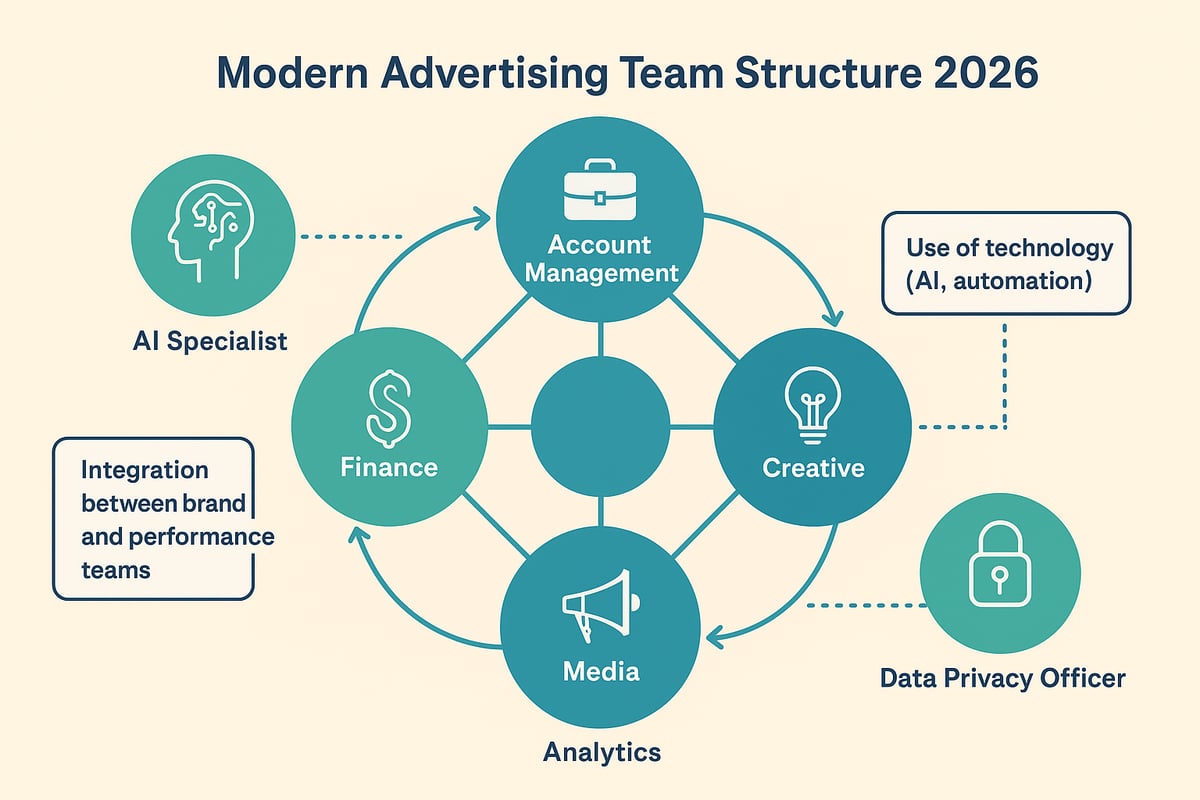
The advertising team of today looks nothing like the siloed departments of the past. Agencies have shifted toward integrated, cross-functional structures where creative minds and data wizards sit at the same table. This blend is crucial, especially as brand and performance marketing increasingly overlap. In fact, 41% of agencies now prioritise brand-building alongside performance goals.
Agility is vital. With platforms and audiences changing faster than a kangaroo on a trampoline, your advertising team must adapt quickly. Agencies aligning brand and performance outcomes are 20% more satisfied with their results. Integration is the secret sauce, making collaboration between creative and analytical functions essential for every advertising team.
Core Departments and Their Functions
A high-performing advertising team is built on the foundation of core departments, each with a distinct role:
- Account Management: Manages client relationships, project oversight, and campaign delivery.
- Creative: Handles concept development, design, and brand messaging.
- Media Planning & Buying: Selects channels, negotiates rates, and executes campaigns.
- Analytics & Data: Measures performance, reports on outcomes, and drives optimisation.
- Finance & Operations: Oversees budgeting, invoicing, and compliance.
For example, an accounts receivable manager ensures campaigns run smoothly by keeping billing and payments on track. If you want to see how these departments work together in practice, explore Advertising services for agencies for a closer look at team integration.
Key Roles in 2026’s Advertising Teams
The advertising team of 2026 includes both familiar faces and new experts. Key traditional roles are:
- Account Director
- Creative Director
- Digital Strategist
- Media Buyer
- Data Analyst
- Automation Specialist
- Finance Manager
Emerging roles now core to the advertising team include AI Specialist, Cross-Channel Orchestrator, and Data Privacy Officer. In fact, 39% of agencies now rely on AI specialists for their workflows. Hybrid skillsets are prized, so being able to juggle creative and analytical tasks is a must. Adaptability is the name of the game for any advertising team hoping to keep pace.
Team Size and Scalability Considerations
Determining the right size for your advertising team depends on your agency’s scale, campaign volume, and the diversity of channels you use. Some agencies keep things lean with in-house talent, while others outsource or tap freelancers for flexibility. High-performing agencies often run campaigns across five or more programmatic channels—48% compared to just 33% of others.
Here’s a quick comparison:
| Model | Pros | Cons |
|---|---|---|
| In-house | Control, cohesion | Higher overhead |
| Outsourced | Flexibility, speed | Less brand immersion |
| Hybrid | Best of both worlds | Coordination needed |
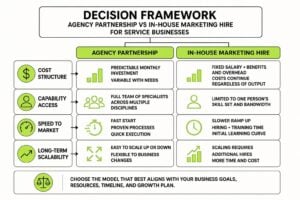
Structuring your advertising team for growth and adaptability means being ready to scale up or pivot as the market shifts. The smartest move? Stay nimble and never be afraid to re-evaluate your team’s setup.
Step-by-Step Guide to Building Your Advertising Team
Building a high-performing advertising team in 2026 is more than just hiring smart people. It’s about creating a structure that’s flexible, tech-savvy, and aligned with your agency’s goals. Let’s break down each step so you can assemble a team ready to tackle today’s complex campaigns.
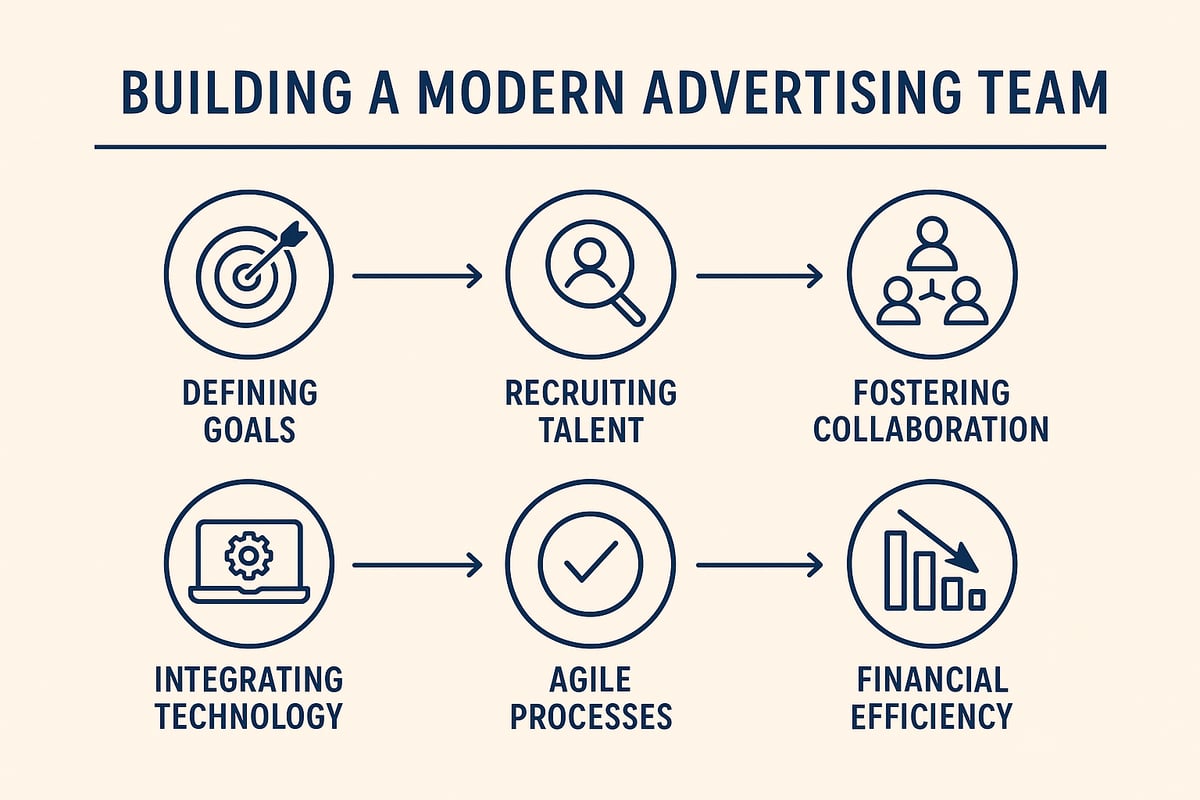
Step 1: Define Your Agency’s Goals and Needs
Start by clarifying your agency’s mission. Is your advertising team focused on building brand awareness, driving leads, or mastering omnichannel campaigns? Align your team structure with these objectives.
Evaluate where you stand today. Are there gaps in creative, data, or media expertise? Look at industry trends to forecast what skills you’ll need next year. For example, agencies blending brand and performance strategies tend to outperform their peers.
Set clear KPIs for your advertising team, like shared metrics for both brand and performance. This approach keeps everyone rowing in the same direction and helps you measure real progress.
Step 2: Identify and Recruit Essential Talent
With your goals in mind, map out the skills and roles your advertising team needs. Craft detailed job descriptions for both traditional roles and emerging ones such as AI specialist or cross-channel orchestrator.
Prioritize candidates who bring a mix of creative and analytical thinking. Cross-disciplinary expertise can make your advertising team more adaptable. Benchmark salaries and skill requirements to stay competitive.
Use structured interviews and practical tasks to assess each candidate’s fit. Demand for AI and automation skills is rising, so look for those who are eager to learn and grow.
Step 3: Foster Collaboration and Communication
A successful advertising team is built on solid collaboration. Set up regular meetings across departments, and make reporting lines clear from the start.
Leverage collaborative tools like Slack or Asana to keep everyone connected. Establish shared objectives and performance metrics so creative, media, and analytics teams work together, not in silos.
Encourage a culture where feedback flows freely. When creative and media teams align, campaign satisfaction climbs. Open communication helps your advertising team solve problems faster and learn from each campaign.
Step 4: Integrate Technology and Automation
Technology is the backbone of a modern advertising team. Invest in AI-powered tools for media buying, creative testing, and analytics. These platforms can automate repetitive tasks, freeing your team to focus on strategy.
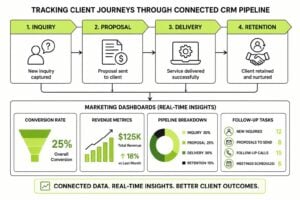
Adopt CRM systems and marketing automation to streamline workflow. Make sure your platforms share data seamlessly. High-performing teams use AI for audience targeting, creative optimization, and predictive analytics.
Don’t forget training. The best advertising team is always upskilling to get the most out of new tech, ensuring your investment pays off.
Step 5: Build Agile Processes for Continuous Improvement
Agility is essential for an effective advertising team. Implement iterative workflows like agile sprints or rapid prototyping. This enables your team to adapt quickly as platforms or audience behaviors shift.
Review and optimize processes regularly based on campaign results. Use incrementality testing and real-time analytics to make decisions on the fly.
Encourage experimentation. Not every idea will work, but the willingness to test and learn keeps your advertising team ahead of the curve and ready for whatever comes next.
Step 6: Ensure Financial and Operational Efficiency
Operational excellence keeps your advertising team running smoothly. Set up robust systems for budgeting, invoicing, and expense tracking. Assign clear financial roles, like an accounts receivable manager, to maintain oversight.
Monitor ROI for both creative and media spend. Weekly reviews help spot issues early and keep campaigns on track. Align finance with campaign planning for seamless execution.
For a deeper dive into budgeting models and cost control, check out agency pricing structures to see how leading teams manage finances efficiently. This transparency helps your advertising team stay profitable and scalable.
Essential Skills and Competencies for 2026 Advertising Teams
Building a high-performing advertising team in 2026 means looking beyond traditional job titles. You need a blend of technical savvy, creative spark, cross-channel expertise, collaboration, and a razor-sharp sense for privacy. Let us walk through the skills your advertising team needs to stay ahead, with a few real-world examples for good measure.
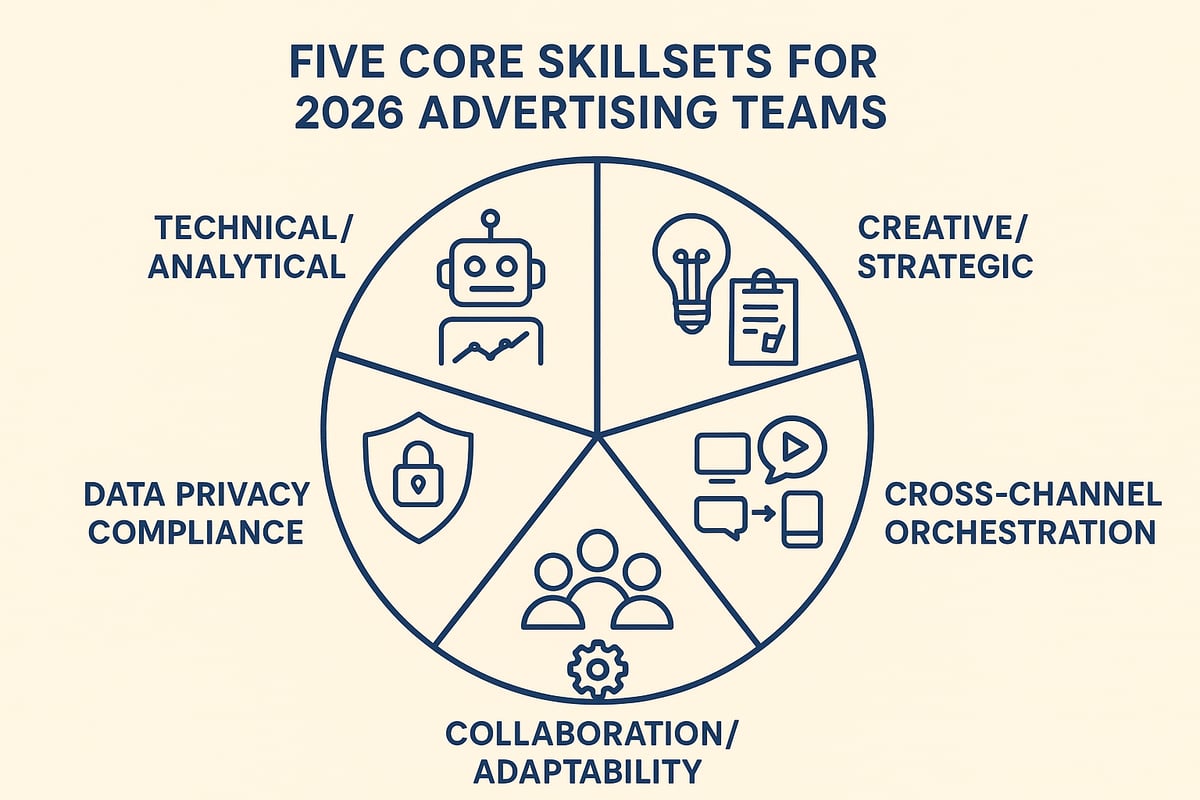
Technical and Analytical Skills
In 2026, your advertising team must be fluent in data. From dissecting campaign metrics to interpreting dashboards, these skills turn numbers into action. Mastery of platforms such as Google Analytics and Tableau is just the start.
AI and machine learning are now essential for campaign optimization. About 39% of agencies already have AI woven into their workflows. Understanding these tools means your advertising team can spot trends before they become yesterday’s news.
For a deeper look at how AI is reshaping industry skills, see AI in Advertising: How It’s Transforming Marketing in 2026.
- Data analysis and KPI tracking
- AI-driven campaign optimization
- Translating data into actionable steps
A strong technical foundation will keep your advertising team agile and competitive.
Creative and Strategic Thinking
Every advertising team still needs big ideas. Concept development, storytelling, and brand messaging can’t be automated. The real magic happens when creative work is tied directly to campaign objectives.
Blending creativity with strategy means your advertising team can adapt messaging for different platforms without losing the heart of the brand. Agencies that align creative with performance goals consistently see better results.
- Storytelling that resonates across channels
- Multi-channel campaign planning
- Adapting creative for digital, print, and emerging platforms
Creative thinkers ensure your advertising team stands out in a crowded market.
Cross-Channel Orchestration
Running campaigns across connected TV, audio, display, and more is now the norm. Your advertising team must coordinate messaging and creative assets to deliver a unified brand experience.
Nearly half of high-performing agencies use five or more programmatic channels. Tools that track and optimize across these channels are now must-haves.
| Channel | Key Skill | Example Tool |
|---|---|---|
| Connected TV | Audience segmentation | The Trade Desk |
| Digital Out-of-Home | Real-time creative adaptation | Broadsign |
| Audio & Video | Cross-platform analytics | Google Analytics |
An advertising team skilled in cross-channel orchestration can pivot quickly when channel performance shifts.
Collaboration and Adaptability
Advertising is a team sport. Success depends on how well your advertising team works together and adapts when the game changes.
Collaboration tools like Slack and Asana help keep everyone on the same page. Agencies with strong collaboration outperform those still stuck in silos. Ongoing learning and upskilling matter just as much as experience.
- Regular cross-team meetings
- Embracing new workflows and tools
- Openness to feedback and change
A collaborative advertising team is prepared to tackle whatever the market throws at them.
Data Privacy and Compliance
Data privacy is no longer just a legal concern, it is a competitive advantage. Your advertising team must stay current with regulations like GDPR and CCPA, and know how to operationalize 1st-party data securely.
Appointing a Data Privacy Officer is now best practice. Teams that excel here can build trust with clients and consumers alike.
- Knowledge of global privacy laws
- Secure data handling processes
- Ongoing compliance training
A privacy-savvy advertising team is poised for sustainable, ethical success.
Leveraging Technology and Data for Team Success
The right technology and data strategy can transform your advertising team from a group of specialists into a high-performing, future-ready unit. In 2026, the difference between good and great often comes down to how you harness AI, automation, and integrated data flows. Let’s break down the essentials every advertising team needs to get ahead.
Integrating AI and Automation
AI is now a core engine for any advertising team aiming to scale campaigns and boost efficiency. From automating media buying to optimizing creative in real time, AI frees up your people to focus on strategy and creative thinking.
Modern teams use AI for audience targeting, predictive analytics, and even brainstorming new content ideas. The key is balancing automation with human oversight, so your advertising team doesn’t lose its unique touch. For practical insights on AI’s impact on teamwork and productivity, explore this study on collaborating with AI agents.
Adopting AI also means training your team to work alongside these systems, not just operate them. The right blend of automation and human judgement gives your advertising team a genuine edge.
Utilizing 1st-Party Data Across Campaigns
1st-party data is the backbone of a modern advertising team’s personalization strategy. Collecting, cleaning, and activating owned data allows for precise audience segmentation and better campaign attribution.
High-performing teams build systems to gather data from every touchpoint, then use it to tailor messaging across channels. This approach reduces reliance on third-party data and strengthens compliance with privacy regulations.
A robust advertising team ensures data quality and accessibility. Tools that allow for rapid insight-to-execution workflows can turn raw data into actionable results, keeping your campaigns relevant and effective.
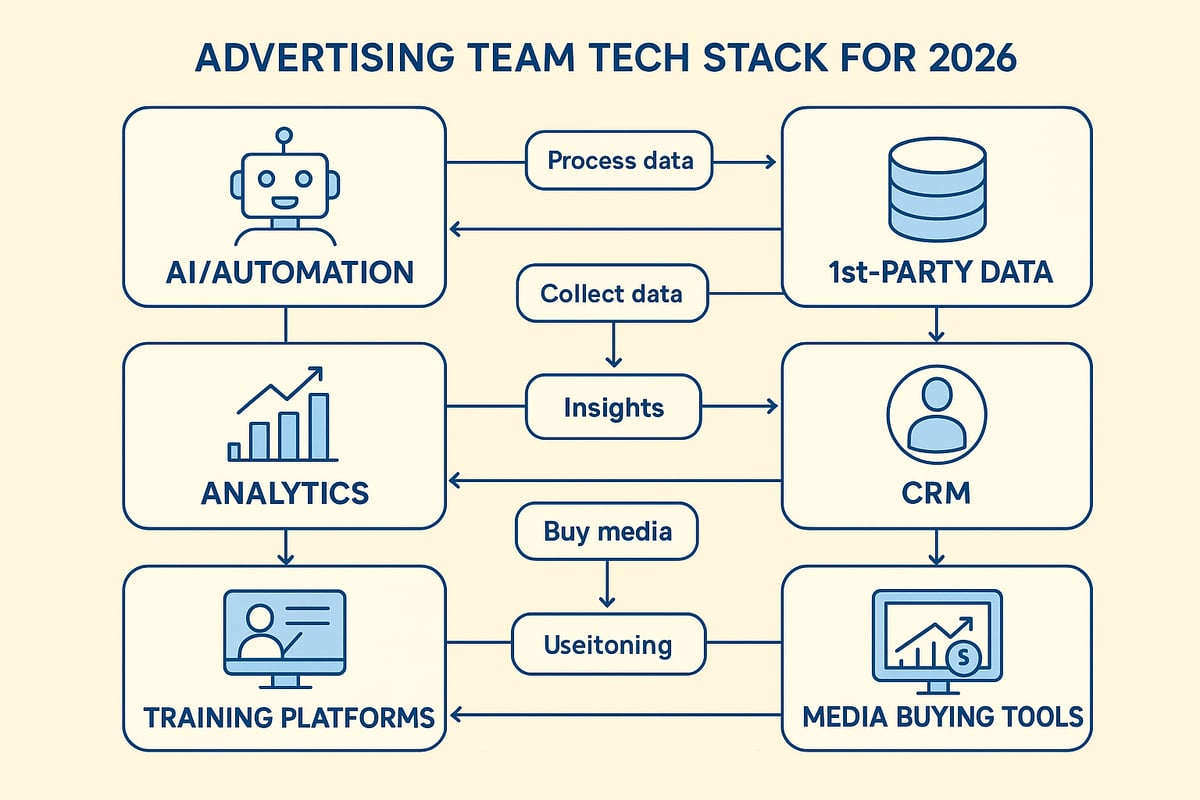
Building a Connected Tech Stack
A connected tech stack is the glue holding your advertising team together. Essential platforms include CRM, marketing automation, analytics tools, and media buying solutions.
When these systems talk to each other, your advertising team can move from insight to action without bottlenecks. Integration means less time chasing reports and more time optimizing campaigns.
Here’s a simple comparison table to consider when evaluating your tech stack:
| Platform Type | Must-Have Feature | Benefit for Advertising Team |
|---|---|---|
| CRM | Data integration | Unified client view |
| Analytics | Real-time dashboards | Faster decision-making |
| Media Buying | AI optimization | Higher ROI, less manual work |
| Automation | Cross-channel triggers | Consistent messaging |
The right stack empowers your advertising team to collaborate, analyze, and execute seamlessly.
Measuring and Optimizing Performance
Performance measurement is at the heart of every successful advertising team. Setting up real-time dashboards helps your team track KPIs, spot trends, and react quickly to campaign shifts.
Incrementality testing links brand investment to tangible outcomes. Shared KPIs across brand and performance teams ensure everyone is pulling in the same direction.
Continuous optimization is a team sport. When your advertising team uses data-driven insights for regular reviews, you close the loop between awareness and action, driving better results.
Training and Upskilling Your Team
The pace of change means your advertising team needs ongoing education to stay competitive. Certification programs from Google, Meta, and programmatic platforms keep skills sharp and relevant.
Encourage your team to attend webinars, industry events, and workshops. Building a culture of lifelong learning helps your advertising team adapt faster to new tools and trends.
Investing in upskilling isn’t just a checkbox. It’s a growth strategy that future-proofs your advertising team, making sure you’re always ready for what’s next.
Collaboration, Culture, and Leadership in High-Performing Teams
Building a high-performing advertising team is about more than just skills and technology. Success comes from a culture where people feel safe to innovate, leaders empower their teams, and everyone communicates openly. Let’s unpack the building blocks of collaboration and leadership that matter most for advertising team performance in 2026.
Establishing a Culture of Innovation and Trust
The foundation of any effective advertising team is a culture that encourages fresh ideas and calculated risks. When team members trust each other and feel secure sharing bold concepts, creativity flourishes. Leaders should openly recognise innovative thinking, rewarding those who step outside the box—even if the result is not perfect. This approach creates a safety net for experimentation, making it easier for your advertising team to adapt and thrive. After all, teams that innovate together often deliver stronger campaign results and keep clients coming back for more.
Leadership Strategies for Team Empowerment
Empowering your advertising team starts with clear vision and purpose. Great leaders set the direction but allow team members to own their work. Delegating authority helps people feel invested in outcomes, while mentorship and growth opportunities keep everyone learning. It’s a bit like coaching a sports team: you pick the strategy, but the players need freedom to make decisions on the field. When your advertising team feels supported and trusted, they’re more willing to tackle new challenges and push the agency forward.
Effective Communication and Conflict Resolution
Strong communication is the glue that holds an advertising team together. Regular check-ins, transparent updates, and clear reporting lines keep everyone in sync. Structured feedback loops—think weekly retros or creative reviews—let teams spot issues early and adjust quickly. When disagreements pop up (and they will), focus on resolving them constructively, not letting them fester. Teams with open lines of communication can handle remote or hybrid work without missing a beat. Technology can help bridge any gaps, but nothing beats honest, respectful conversation for keeping an advertising team humming.
Diversity, Equity, and Inclusion (DEI) in Advertising Teams
A diverse advertising team brings a wider range of perspectives and creative solutions to the table. Prioritising DEI in recruitment and decision-making isn’t just about fairness—it’s good business. Inclusive teams better understand different audiences and can craft campaigns that resonate across cultures. Some benefits of a strong DEI focus include:
- Enhanced creativity from varied viewpoints
- Improved insights into multicultural markets
- Greater adaptability to change
Advertising team leaders should measure DEI progress and hold themselves accountable. When everyone feels welcome and valued, the whole team wins.
Case Study: Real-World High-Performing Team Example
Consider an agency that merged its brand and performance teams into one unified advertising team. By integrating AI-driven insights and leveraging 1st-party data, they coordinated campaigns across multiple channels, boosting both client satisfaction and ROI. This team’s agility allowed them to pivot quickly as trends shifted. For more on how high-performing teams succeed in practice, check out these real-world case studies. The lesson? With the right mix of collaboration, culture, and leadership, an advertising team can deliver standout results in 2026 and beyond.
Future-Proofing Your Advertising Team for 2026 and Beyond
Staying ahead in the advertising game means building an advertising team that’s not only fit for today but ready for tomorrow’s curveballs. The pace of change in technology, consumer habits, and media channels is picking up, so future-proofing your advertising team is no longer a nice-to-have. It’s essential for survival and growth.
Adapting to Industry Shifts and Emerging Trends
Every advertising team must keep its ear to the ground. The rise of AI, new channels like AR and programmatic audio, and fast shifts in consumer behaviour mean the goalposts move regularly. Teams that spot trends early, experiment with new platforms, and stay flexible will always have the edge.
For example, agencies that quickly test and adopt new media types often outperform slower-moving competitors. Want to see what AI might mean for your team structure? Check out How AI Could Reshape Your Company’s Teams By 2026 for a glimpse into the future.
Investing in Continuous Learning and Development
A future-ready advertising team never stops learning. Regular upskilling in digital platforms, creative thinking, and data literacy keeps everyone sharp. Set aside budget and time for training, whether that’s online courses, workshops, or industry certifications.
Partnering with industry groups can help your team stay ahead of the curve. Track learning outcomes, not just attendance. When your advertising team builds a habit of learning, you create a culture that thrives on change, not just tolerates it.
Embracing Flexible Work Models
The way we work has changed for good. High-performing teams often blend remote, hybrid, and in-office setups. This flexibility lets you tap into global talent pools and keep your advertising team nimble, no matter where people are based.
Maintaining collaboration across locations can be a challenge, but with the right project management tools and regular check-ins, even the most far-flung teams can work as one. Plus, a flexible approach helps with staff retention and morale, which is worth its weight in gold.
Setting Up for Scalable, Sustainable Growth
To grow without chaos, your advertising team needs clear onboarding, knowledge sharing, and documented processes. Scalable systems, like shared drives and onboarding checklists, help new hires hit the ground running. Balance quick campaign wins with smart investments in long-term brand building.
If you’re looking for tailored advice on structuring your advertising team for rapid growth, you can always book a call with experts to get a head start. Building for the future isn’t about predicting the next big thing, it’s about setting up your team to pivot quickly, learn fast, and scale smoothly.
Now that you’ve seen how to piece together a modern advertising team—blending creativity, data, and the odd dash of AI—it’s all about putting those ideas into action. If you’re keen to avoid the chaos and actually scale with clarity, why not chat through your unique challenges and goals with someone who’s been in the trenches? Sometimes a quick yarn with an expert can make all the difference when you’re wrangling growth, tech, and a few too many Slack notifications. If you’re ready to get practical, Book a Strategy Call and let’s sketch out the next steps together.