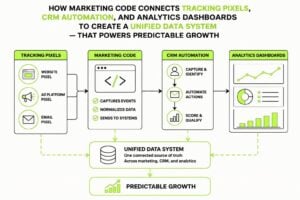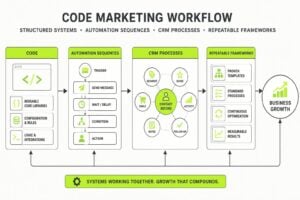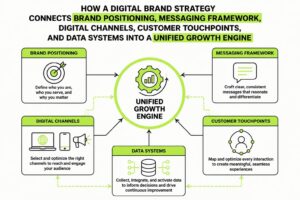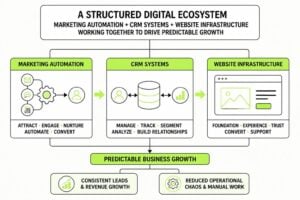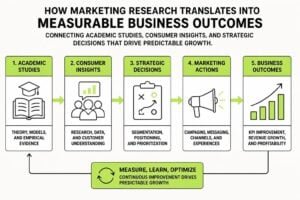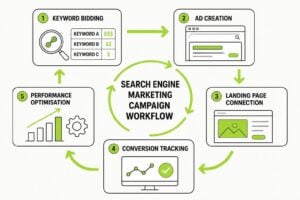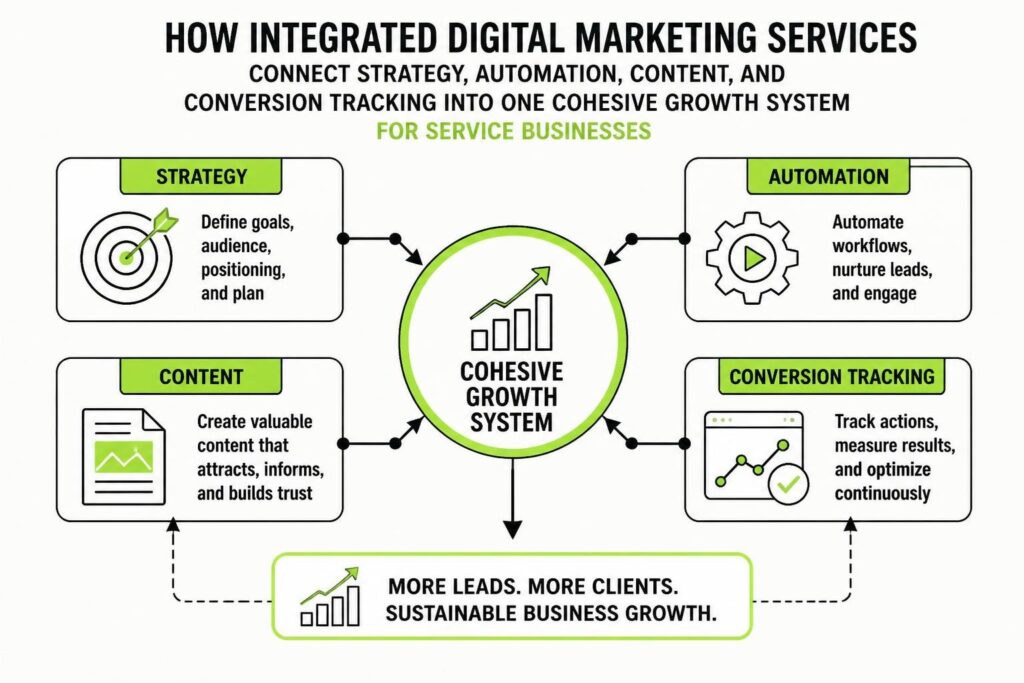
Most businesses treat digital marketing like a collection of disconnected tasks. They run ads without CRM tracking. Build websites without conversion plans. Post content without a clear goal. The result is effort without compounding returns. Digital marketing services done properly create systems that convert attention into predictable demand. It's not about doing more. It's about building infrastructure that captures, nurtures, and converts leads consistently.
What Digital Marketing Services Actually Include
The term "digital marketing services" covers a broad spectrum, but not all providers approach it the same way.
At its core, effective digital marketing involves strategy, execution, and infrastructure. Strategy defines who you're targeting and how you'll reach them. Execution covers the creative, content, and campaigns that attract attention. Infrastructure includes the CRM, automation, and tracking systems that protect leads and measure results.
Many agencies focus only on the creative side. They build websites, run ads, and post content. But without proper systems to capture and nurture leads, most of that effort evaporates. The evolution of digital marketing has shifted from broadcast tactics to integrated systems that track every touchpoint.
The Core Components That Matter
Here's what comprehensive digital marketing services typically include:
- Website design and development focused on conversion, not just aesthetics
- Content strategy and creation aligned with buyer intent at each stage
- Paid advertising management across search, social, and display networks
- Email marketing and automation that nurtures leads without manual work
- CRM implementation that captures, scores, and routes leads properly
- Analytics and reporting that show actual ROI, not vanity metrics
- SEO and technical optimization for sustainable organic visibility
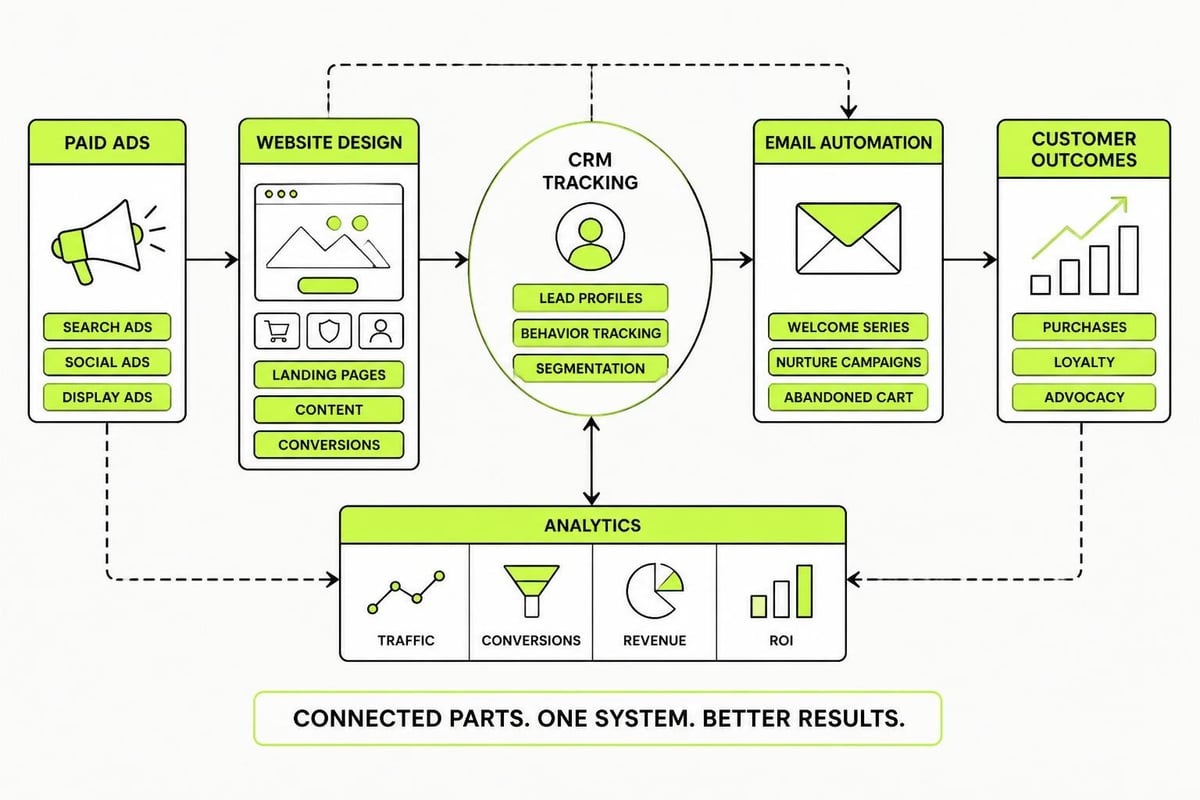
The difference between basic and strategic digital marketing services lies in integration. Each component should feed the others, creating a system where data flows cleanly and leads never fall through gaps.
Why Most Businesses Waste Their Marketing Budget
The biggest issue isn't choosing the wrong platform or posting at the wrong time. It's structural.
Unconnected systems create leaks. When your website forms don't feed your CRM, leads disappear. When your ads drive traffic to pages without proper tracking, you can't measure what works. When email campaigns run without segmentation, you're shouting at people who aren't ready to buy.
According to research on digital marketing systems, centralized channel distribution and proper data syndication form the foundation of effective campaigns. Without this infrastructure, even brilliant creative work produces inconsistent results.
Common Structural Problems
| Problem | Impact | Fix |
|---|---|---|
| No CRM integration | Leads lost between platforms | Unified lead capture system |
| Missing conversion tracking | Can't identify profitable channels | Proper analytics setup |
| Generic messaging | Low engagement and conversion | Segmented campaigns by stage |
| Manual follow-up processes | Slow response, missed opportunities | Automated nurture sequences |
Service businesses particularly struggle with this because they often prioritize delivery over marketing infrastructure. They know their craft but haven't built the systems to consistently generate demand.
The solution isn't more activity. It's better architecture.
Building a Marketing System That Compounds
Effective digital marketing services should create compounding returns over time, not just temporary spikes.
This starts with clear documentation of your buyer journey. Map the path from first awareness to closed deal. Identify where prospects typically engage, what questions they ask, and what objections surface. Then build your marketing infrastructure around those stages.
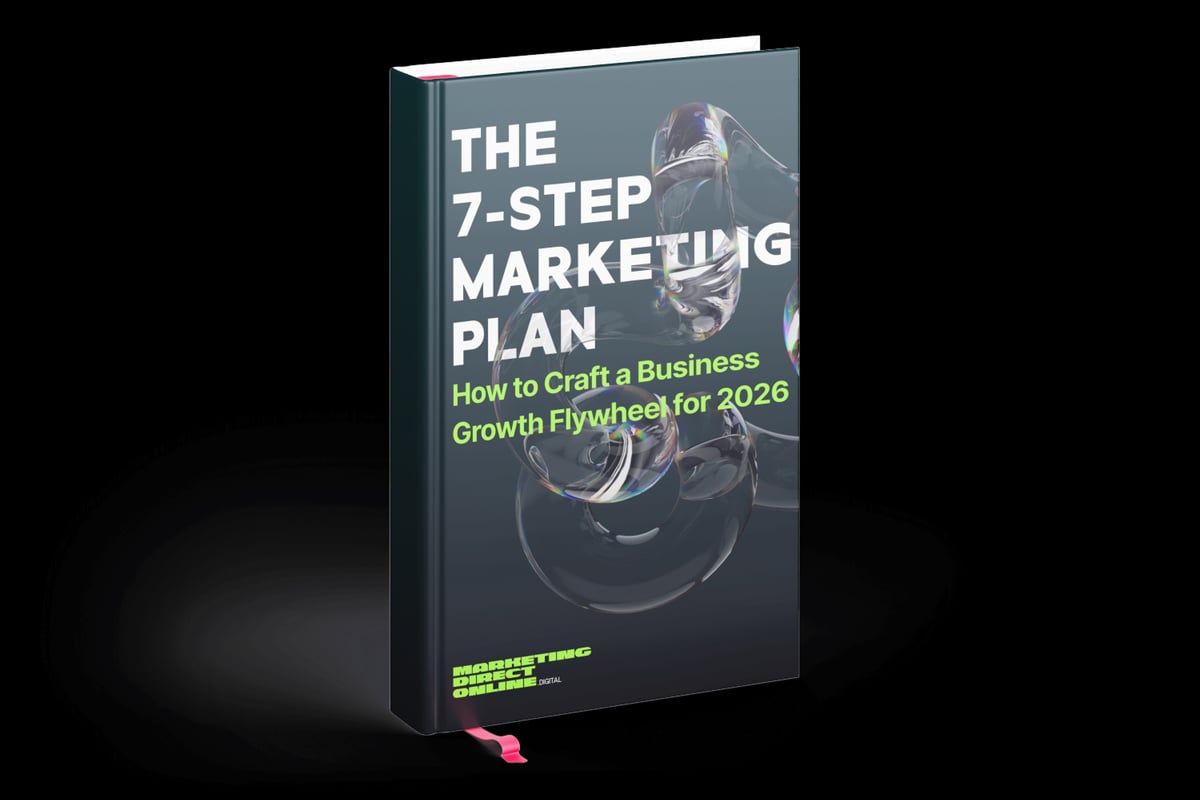
A practical approach breaks this into seven connected steps. You set measurable goals, define your ideal buyer persona precisely, choose platforms where they actually spend time, create valuable opt-in offers, implement CRM automation for nurture, deliver exceptional client experiences, and systematically generate reviews and referrals. Each step feeds the next. Together, they create a flywheel that keeps generating qualified leads.
This structured approach removes guesswork and creates repeatability. The 7-Step Marketing Plan framework provides exactly this kind of systematic foundation for building predictable demand generation.
Strategy Before Execution
Most businesses jump straight to tactics. They want to know which ad platform converts best or what content to post. But without strategic clarity, even perfect execution produces mediocre results.
Strategy work includes:
- Market research that identifies actual buyer pain points and language
- Competitive analysis showing positioning gaps and opportunities
- Channel selection based on where your buyers make decisions
- Messaging architecture that speaks to different awareness stages
- Conversion path design that reduces friction at each step
- Measurement frameworks that track business outcomes, not just metrics
This foundation makes every subsequent decision clearer and more effective. You know what to build, who to target, and how to measure success.
Choosing Digital Marketing Services for Service Businesses
Service businesses have different needs than e-commerce or SaaS companies.
Your sales cycle is typically longer. Trust matters more than convenience. Buyers want to understand your process and expertise before committing. The digital marketing services landscape covers everything from simple social management to complex marketing automation, but not all approaches suit service delivery models.
What Service Businesses Actually Need
Focus on quality over volume. A handful of well-qualified leads beats hundreds of low-intent contacts. This means your digital marketing services should emphasize:
- High-trust website design that communicates expertise clearly
- Content that demonstrates process knowledge and client outcomes
- Lead qualification systems that filter by fit, not just interest
- Nurture campaigns that educate over time rather than hard-sell
- Referral systems that leverage satisfied clients systematically
Service businesses also need tighter integration between marketing and operations. When someone books a call or requests a quote, that needs to trigger proper handoff to your delivery team with full context.
The best digital marketing services for this model build infrastructure that supports relationship development, not just lead capture. According to insights from marketing resources organizations, properly categorized service solutions focus on different performance outcomes based on business model.
Content Marketing Within Digital Services
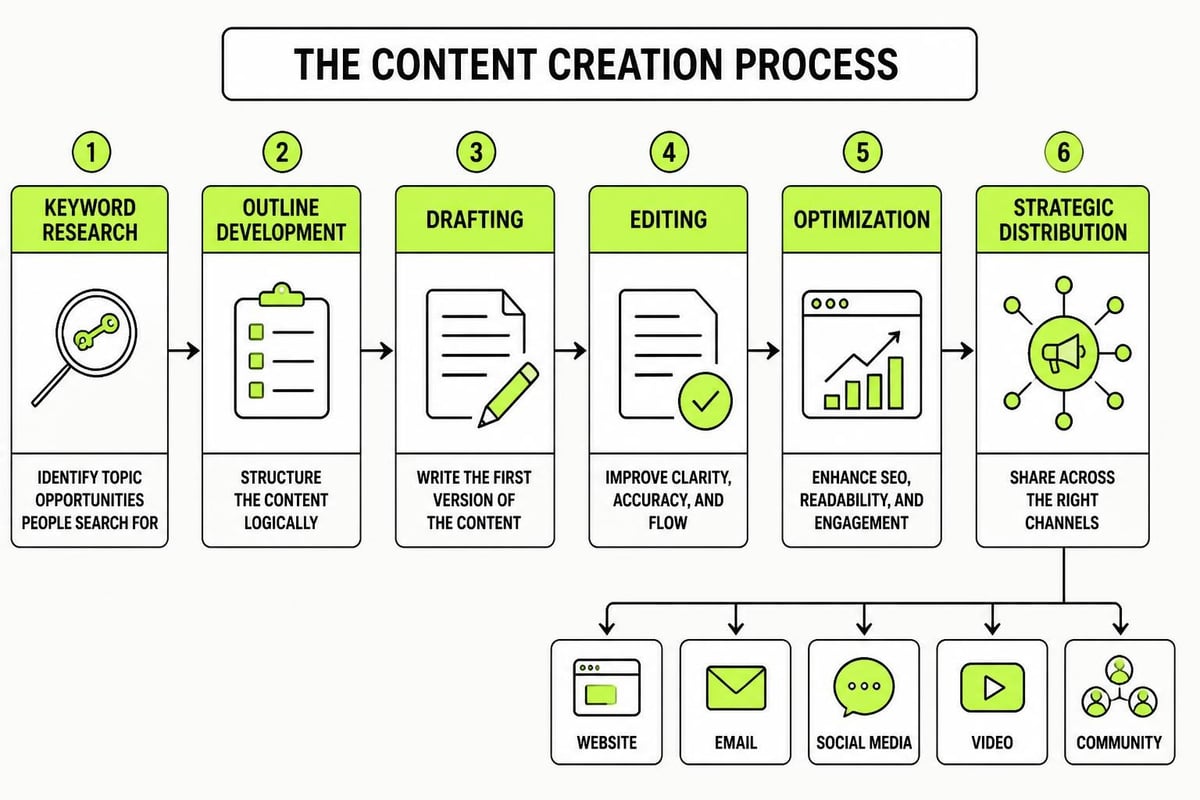
Content isn't separate from digital marketing. It's the fuel that powers most other channels.
Effective content marketing addresses real questions your prospects ask at each stage of awareness. Early stage content builds authority and captures attention. Middle stage content demonstrates your process and approach. Late stage content handles objections and differentiates your offer.
Research on content quality in digital marketing shows that expert-crafted, data-driven content significantly improves buyer education and conversion rates. The key is matching content depth to buyer stage.
Content Types That Actually Convert
Different formats serve different purposes:
- Blog articles for SEO visibility and thought leadership
- Case studies showing process and outcomes with real clients
- Email sequences that nurture leads automatically
- Video content explaining complex concepts clearly
- Downloadable resources that capture contact information
- Website copy optimized for conversion at key decision points
The best approach treats content as infrastructure, not campaigns. Build a library of valuable resources that continues working long after publication. Link them strategically so visitors naturally move deeper into your world.
This compounds over time. Each new piece adds to your authority and creates more entry points. Combined with proper branding and digital marketing integration, content becomes a self-sustaining lead generation engine.
Paid Advertising as System Fuel
Paid ads aren't about buying attention. They're about accelerating a system that already works.
Start with organic channels first. Build content, establish your message, test conversion paths. Once you know what resonates and converts, paid advertising amplifies those proven elements. This prevents wasting budget on unvalidated assumptions.
Platform Selection for Service Businesses
| Platform | Best For | Typical Cost | Speed to Results |
|---|---|---|---|
| Google Search | High-intent buyers actively searching | Higher CPC, better quality | Immediate if budget allows |
| LinkedIn Ads | B2B professional services | Highest CPC, best targeting | Medium, longer nurture |
| Facebook/Instagram | Awareness and remarketing | Lower CPC, broader reach | Slower, needs volume |
| Display Networks | Brand awareness at scale | Lowest CPC, awareness focus | Long-term brand building |
The right mix depends on your buyer behavior. If they actively search for solutions, Google Search works. If they need education first, content-driven platforms like LinkedIn or Facebook feed longer nurture sequences.
Always connect ads to CRM tracking. Every click should flow into your system with source attribution. This lets you calculate actual cost per qualified lead and cost per client, not just cost per click. Without this visibility, you're optimizing blind.
CRM and Automation Infrastructure
This is where most businesses fall apart. They generate attention but can't convert it systematically.
A proper CRM and automation setup captures every lead, segments by behavior and stage, delivers relevant nurture content automatically, and surfaces hot prospects to your sales team with full context. It removes the manual work that causes delays and missed follow-ups.
For service businesses, this typically includes:
- Form integration that captures lead details and source
- Automated email sequences triggered by specific actions
- Lead scoring that prioritizes based on engagement and fit
- Task creation for sales team when prospects hit thresholds
- Pipeline tracking that shows conversion rates at each stage
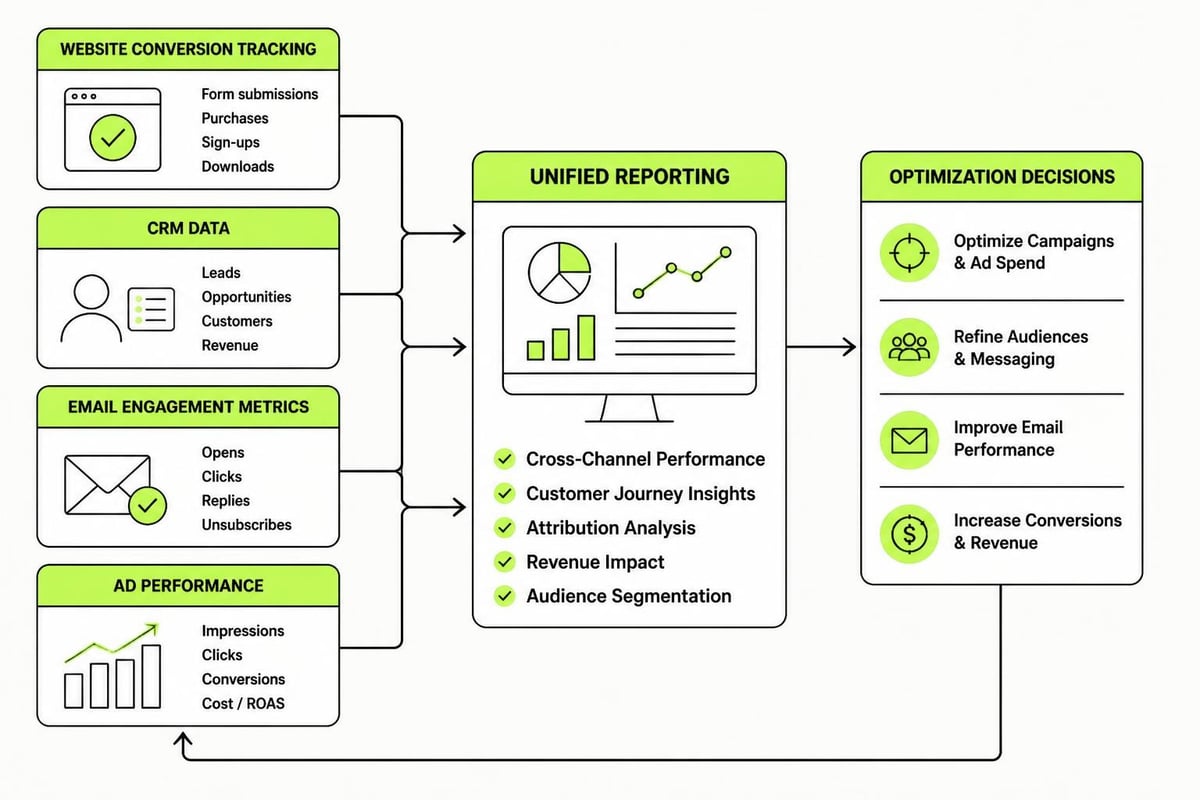
- Reporting dashboards that connect marketing spend to revenue
The digital marketing systems you build determine how efficiently you convert interest into clients. Without proper automation, growth requires proportionally more manual effort. With it, revenue scales faster than headcount.
Building Nurture That Actually Works
Most email nurture fails because it's too generic or too aggressive. Effective nurture respects buyer timelines while staying present.
Send value first. Educational content, relevant insights, tools they can use immediately. Mix this with strategic positioning that demonstrates your approach without hard selling. Let prospects self-qualify by engaging with specific topics.
Segment ruthlessly. Someone who downloaded a beginner guide needs different content than someone who attended a webinar on advanced topics. Track engagement and adjust sequences based on behavior, not just time elapsed.
The goal is to be the obvious choice when they're ready to buy, not to force decisions before that moment.
Measuring What Actually Matters
Vanity metrics kill businesses. Page views, social followers, email open rates tell you almost nothing about growth.
Focus on business outcomes:
- Cost per qualified lead across each channel
- Lead to client conversion rate by source
- Average client value by acquisition channel
- Time from first touch to closed deal
- Customer lifetime value by segment
- Marketing contribution to revenue growth
These metrics connect your marketing investment directly to business results. They show what's working and where to double down. They also expose waste quickly, before you burn through budgets on underperforming channels.
Research exploring neural networks in predicting marketing content performance demonstrates how data-driven approaches can optimize content before launch. The principle applies broadly: test, measure, optimize based on actual outcomes.
Dashboard Design for Service Businesses
Create simple dashboards that answer specific questions:
- Which marketing channels generate the highest-quality leads?
- How long does our typical buyer journey take?
- Where do leads drop off in our funnel?
- What content correlates with closed deals?
- Is our marketing investment accelerating or declining in effectiveness?
Update these weekly. Review with your team monthly. Use the data to inform strategy decisions, not just report on past activity. The best digital marketing and business development systems create tight feedback loops between execution and optimization.
Integration Over Isolation
The biggest shift in effective digital marketing services is treating everything as connected infrastructure rather than separate campaigns.
Your website design affects ad conversion rates. Your CRM setup determines email effectiveness. Your content library supports both organic and paid channels. Your analytics inform all strategic decisions. When these elements work together, results compound. When they operate in isolation, you're constantly pushing uphill.
Service businesses particularly benefit from this integrated approach. Your buyers need education and trust-building before they commit. That requires coordinated touchpoints across multiple channels over extended timeframes. Disconnected tactics can't deliver this consistently.
The small business digital marketing services that actually drive growth focus on building systems, not running campaigns. They create infrastructure that keeps working, improving, and compounding over time.
Selecting Digital Marketing Services That Fit
Not every business needs the same level of marketing infrastructure. Start where you are.
If you're just establishing online presence, focus on foundation elements first. A conversion-optimized website, basic CRM setup, and one or two proven traffic sources. Get these working before adding complexity.
If you're scaling, invest in automation and measurement. Build systems that reduce manual work while improving lead quality. Implement proper attribution so you know exactly what drives revenue.
If you're established but growth has plateaued, audit your existing infrastructure for leaks. Often the issue isn't attracting attention but converting and retaining it efficiently. Fix conversion paths and nurture systems before spending more on traffic.
Working With Digital Marketing Services Providers
Ask potential providers how they handle integration, not just execution. Anyone can run ads or post content. Few build cohesive systems that produce compounding returns.
Questions worth asking:
- How do you connect marketing activities to actual revenue?
- What CRM and automation tools do you recommend and why?
- How do you handle lead tracking across multiple touchpoints?
- What does your reporting show beyond surface metrics?
- How do you optimize based on business outcomes, not just channel performance?
The right partner focuses on your business growth, not their service list. They should be able to explain how each component supports the others and drives toward your specific goals.
Building for Long-Term Compounding
The best digital marketing services create assets that appreciate over time.
Content libraries keep generating traffic and leads years after publication. Email lists become increasingly valuable as you refine segmentation and messaging. CRM systems capture institutional knowledge about what converts and why. Website authority builds through consistent publishing and earning backlinks over time.
This contrasts sharply with purely tactical approaches where results disappear the moment you stop spending. According to analysis of link building’s role in digital marketing, sustainable visibility comes from accumulated authority, not just current activity.
Invest in infrastructure that keeps working. Build systems that improve through use. Create assets that compound rather than campaigns that expire. This approach takes longer to show initial results but produces far better outcomes over meaningful timeframes.
Digital marketing services work when they focus on building systems rather than running campaigns. The goal isn't more activity but better infrastructure that converts attention into predictable demand. If you're ready to remove the chaos and build marketing systems that actually compound over time, MDO Digital helps service businesses create exactly this kind of structured growth. We design high-trust websites, implement proper CRM and automation, and run data-driven marketing that protects leads and produces measurable results. Let's build something that lasts.