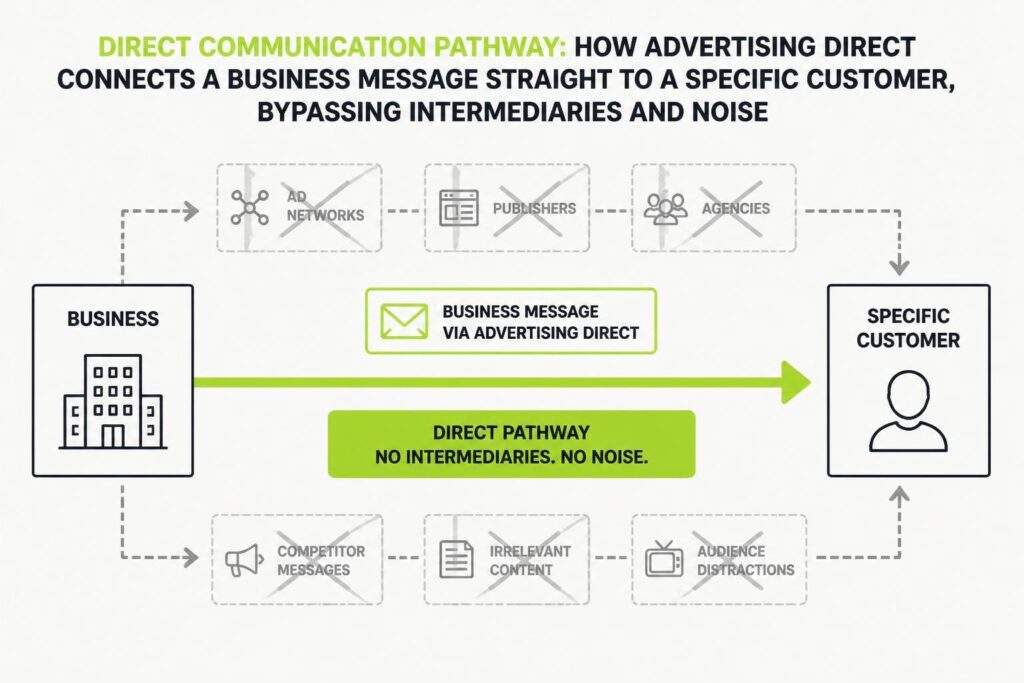
Most service businesses waste money talking to everyone and connecting with no one. They spray messages across channels, hoping something sticks. The alternative is advertising direct, a method that targets specific people with specific messages at specific times. It's personal, measurable, and designed to prompt action. When you build systems around direct communication, you control the conversation from first contact to final sale. No middlemen, no guesswork, just structured growth that compounds over time.
Why Advertising Direct Still Matters in 2026
The marketing landscape keeps shifting, but one principle remains constant. The closer you get to your buyer, the better your results. Direct marketing strips away the noise and puts your message in front of people who actually need what you offer.
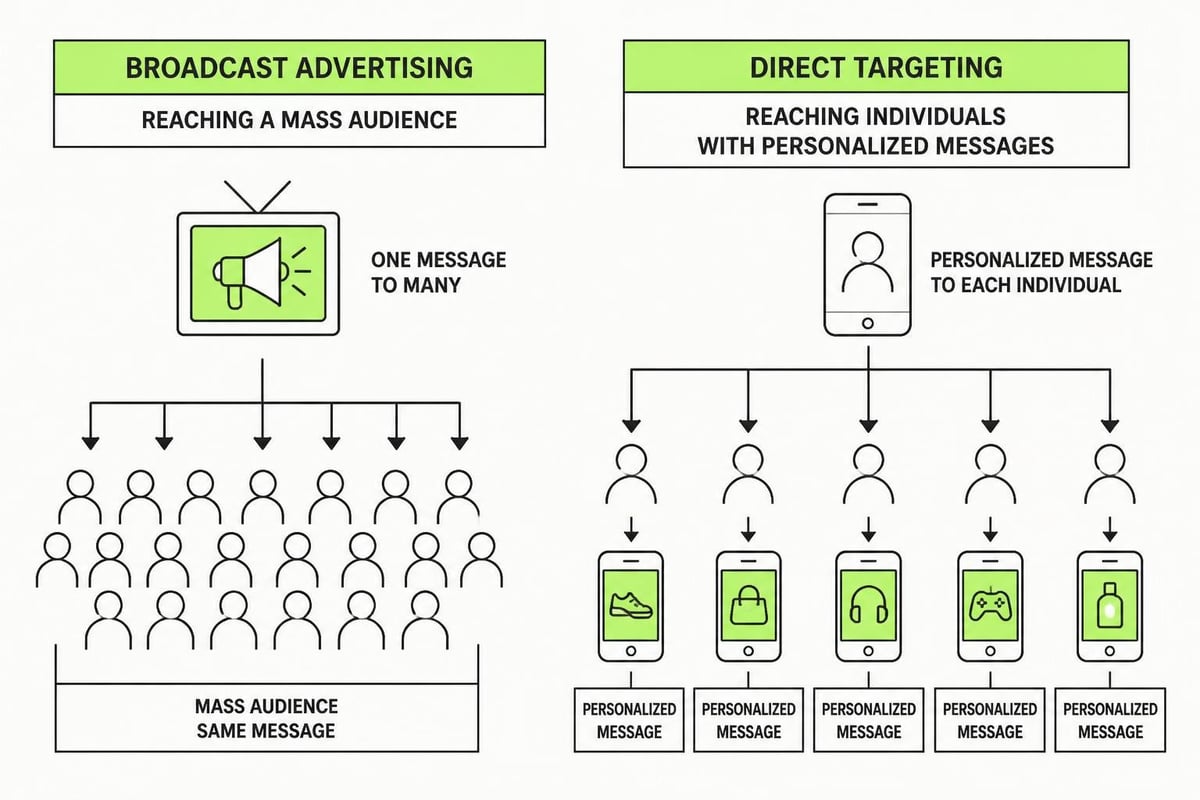
Traditional advertising casts wide nets. You pay for impressions, hope for attention, and struggle to track outcomes. Advertising direct flips that model. You identify who you want to reach, speak to them individually, and measure every response.
The Real Difference Between Broadcast and Direct
Here's what separates the two approaches:
| Broadcast Advertising | Advertising Direct |
|---|---|
| Mass audience reach | Targeted individual reach |
| Brand awareness focus | Response and conversion focus |
| Hard to measure ROI | Trackable, data-driven results |
| One-way communication | Two-way dialogue enabled |
| High waste, low precision | Low waste, high precision |
Service businesses can't afford to burn budgets on vanity metrics. You need leads that convert, not just eyeballs that scroll past. When you commit to advertising direct, you build infrastructure that protects every dollar spent and tracks every outcome generated.
Building Your Direct Advertising System
Most businesses treat advertising direct as a tactic. Send an email, run a LinkedIn campaign, mail a postcard. That's not a system. That's just noise with better aim.
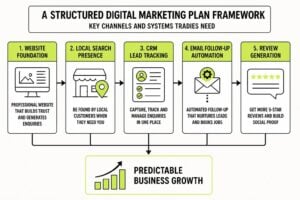
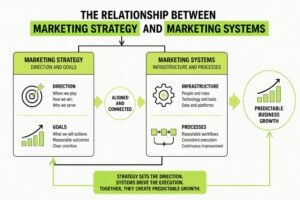
A proper system requires four components working together. First, you need a clear definition of who you're targeting. Second, you need a message that speaks to their specific situation. Third, you need a channel that puts that message in front of them reliably. Fourth, you need a CRM and automation infrastructure that captures responses and nurtures them into clients.
Step One: Define Your Ideal Buyer with Precision
Vague targeting kills direct campaigns. "Small business owners" isn't specific enough. "Physiotherapy clinic owners in suburban Sydney turning over $800K to $2M annually" gives you something to work with.
Build a detailed profile:
- Industry and sub-sector
- Revenue range and team size
- Current pain points and goals
- Decision-making process and timeline
- Preferred communication channels
- Budget authority and purchasing cycles
The tighter your definition, the sharper your message. Understanding your buyer persona is the foundation that makes everything else work.
Step Two: Craft Messages That Start Conversations
Generic copy gets ignored. Your message needs to prove you understand their world before asking for their time. Skip the features and talk about the outcome they're chasing.
Bad: "We offer comprehensive marketing solutions for growing businesses."
Good: "Your clinic books solid for three weeks, then goes quiet for two. We build systems that fill your calendar consistently, month after month."
The second version shows you understand their reality. It addresses a specific frustration and promises a specific outcome. That's what advertising direct delivers when done properly.
Step Three: Choose Channels Based on Behaviour, Not Preference
You might love Instagram, but if your buyers live on LinkedIn, that's where you advertise. Direct response marketing works because it meets people where they already spend time.
Consider these channel options:
- Email: High control, trackable, scalable, requires list building
- LinkedIn direct messaging: Professional context, decision-maker access, relationship-building
- Direct mail: Cuts through digital noise, memorable, higher cost per contact
- Retargeting ads: Reaches warm traffic, reminds interested prospects, needs initial traffic source
- SMS: Immediate delivery, high open rates, requires permission and restraint
Pick two channels maximum to start. Test, measure, refine. Adding more channels before you've mastered the first two just spreads your focus too thin.
Making Your Direct Advertising Measurable
You can't improve what you don't measure. Every direct campaign needs clear metrics attached from day one. Salesforce highlights how measurability separates direct marketing from brand-building exercises.
Set up tracking for these five metrics:
- Delivery rate: Did your message actually reach the person?
- Open/engagement rate: Did they pay attention?
- Click-through rate: Did they take the first action?
- Conversion rate: Did they become a lead?
- Cost per acquisition: What did each new client cost?
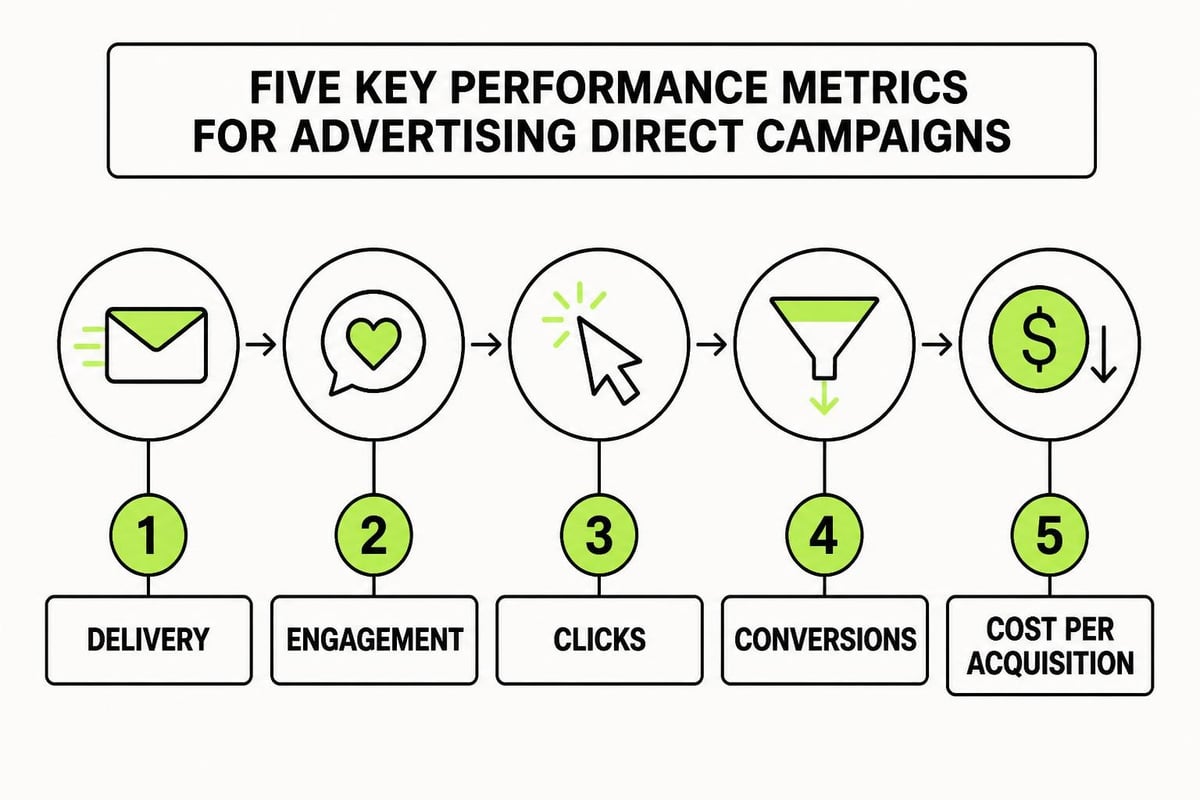
Without this data, you're guessing. With it, you can double down on what works and cut what doesn't. That's how service businesses build predictable demand instead of hoping for the phone to ring.
Building Attribution Into Your System
Most businesses lose track of where leads come from. Someone fills out a form, and three weeks later when they book a call, no one remembers which campaign brought them in. That's unacceptable when you're investing in advertising direct.
Your CRM should tag every contact with:
- Source campaign and channel
- Date of first contact
- All subsequent touchpoints
- Time to conversion
- Deal value and profitability
This isn't complicated tech. It's basic hygiene that protects your marketing investment and shows you exactly what's working.
Common Mistakes That Kill Direct Campaigns
Even businesses that understand advertising direct make preventable errors. Here are the ones that hurt most.
Mistake One: Buying Lists Instead of Building Them
Purchased lists feel like shortcuts. Pay a few hundred dollars, get thousands of contacts, start emailing. Except those contacts never asked to hear from you, don't trust you, and report you as spam.
Build your list through opt-ins, content offers, and genuine permission. It takes longer but delivers ten times the results. Marketing91 outlines why quality always beats quantity in direct marketing databases.
Mistake Two: No Follow-Up System
One email doesn't close deals. One LinkedIn message doesn't book calls. You need a sequence that stays in touch without being annoying.
Map out a 90-day nurture campaign:
- Week 1: Welcome and set expectations
- Week 2-3: Educational content addressing pain points
- Week 4: Case study or social proof
- Week 5-6: More value, no pitch
- Week 7: Soft offer or consultation invite
- Week 8-12: Ongoing touchpoints with varied content
This keeps you visible while building trust. Most competitors give up after one attempt, so persistence alone gives you an edge.
Mistake Three: Ignoring the Experience After Conversion
Advertising direct doesn't stop when someone becomes a lead. The experience they have after responding determines whether they become clients and advocates or ghosts who waste your time.
Build post-conversion infrastructure:
- Immediate automated confirmation
- Clear next steps communicated upfront
- Calendar booking link for qualified prospects
- Preparation materials sent before calls
- Follow-up after every interaction
- Feedback collection and review requests
The gap between lead and client is where most revenue leaks happen. Treating this phase with the same rigor as your advertising direct campaigns protects your investment and maximizes conversion.
Integrating Direct Advertising with Your Broader Marketing
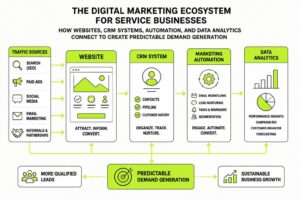
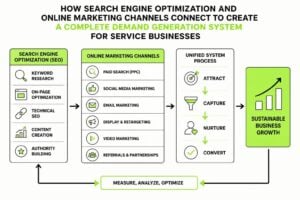
Advertising direct works best as part of a complete system, not in isolation. Your digital marketing plan should connect multiple channels into one cohesive buyer journey.
Here's how the pieces fit together:
| Stage | Tactic | Direct Advertising Role |
|---|---|---|
| Awareness | Content, SEO, social media | Retarget engaged visitors with direct messages |
| Consideration | Email sequences, webinars | Invite specific segments to relevant content |
| Decision | Sales calls, demos | Follow up directly with high-intent prospects |
| Retention | Client communication | Direct updates, check-ins, upsell offers |
| Referral | Review requests, partner outreach | Personalized asks to satisfied clients |
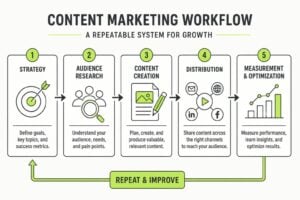
Each stage feeds the next. Your content attracts attention, your direct advertising converts that attention into conversations, and your systems turn conversations into clients.
The Role of Automation Without Losing Personality
Automation makes advertising direct scalable, but terrible automation kills trust faster than no outreach at all. The key is using technology to handle repetition while preserving genuine human connection.
Good automation handles:
- Sending scheduled sequences
- Tagging contacts based on behaviour
- Triggering notifications for your team
- Updating records across systems
- Scoring leads by engagement level
Bad automation tries to fake personal communication with obviously templated messages and robotic language. People spot the difference instantly, especially in 2026 when AI-generated content floods every channel.
Write your sequences once, write them well, and let automation handle delivery timing. But when someone replies, a human should respond. That's the balance that makes branding and advertising work at scale without feeling corporate and cold.
Testing Your Way to Better Results
The biggest advantage of advertising direct is how quickly you can test and improve. Unlike brand campaigns that take months to show impact, direct responses show up within days.
What to Test First
Start with these high-impact variables:
- Subject lines and opening hooks: Test clarity versus curiosity
- Message length: Short and punchy versus detailed and thorough
- Offer positioning: Lead with value versus lead with urgency
- Call-to-action placement: Early in message versus at the end
- Sending times: Business hours versus evening versus weekend
Run each test with enough volume to matter. Fifty sends isn't enough data. Five hundred gives you something actionable.
Building a Testing Calendar
Don't test everything at once. Pick one variable per campaign, measure the outcome, implement the winner, then move to the next test. Corporate Finance Institute explains how systematic testing compounds returns over time.
Your 90-day testing calendar might look like this:
- Month one: Test three subject line approaches
- Month two: Test message length variations
- Month three: Test different calls-to-action
By quarter four, you've run twelve distinct tests and improved every element of your advertising direct system. That compounding improvement is how you build campaigns that consistently outperform industry averages.
The Future of Advertising Direct
Technology keeps changing the tools, but the principle stays constant. People respond to messages that speak directly to their needs, delivered at the right time through channels they trust.
What's evolving in 2026:
- Privacy regulations tightening: Third-party data getting harder to access
- First-party data becoming critical: Building your own contact lists matters more than ever
- AI enabling better personalization: Dynamic content adapts to individual behaviours
- Multi-channel orchestration improving: Systems coordinate messages across email, SMS, social, and web
- Attribution getting more sophisticated: Understanding the full buyer journey, not just last-click
These changes reward businesses that build proper infrastructure. The ones relying on rented audiences and purchased lists will struggle. The ones investing in direct communication systems will thrive.
Why Service Businesses Win with Direct Approaches
Product businesses can sometimes succeed with brand awareness alone. Service businesses can't afford that luxury. You need conversations, not just impressions. You need qualified prospects who understand what you do and why it matters.
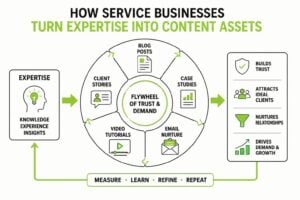
Advertising direct creates those conversations at scale. It turns your expertise into tangible business development, not just content that gets liked and forgotten. When you build systems that reliably generate qualified leads, you remove the feast-or-famine cycle that kills most service businesses.
The work isn't sexy. It's systematizing outreach, tracking responses, testing variables, and refining processes. But it's the work that creates predictable demand and structured growth. That's worth more than any viral post or clever campaign.
Advertising direct works when you treat it as a system, not a tactic. Define your buyer with precision, craft messages that start real conversations, choose channels based on behaviour, and measure everything ruthlessly. Most service businesses skip these fundamentals and wonder why their marketing feels like gambling. At MDO Digital, we build the infrastructure that removes that chaos. CRM systems that protect every lead, automation that nurtures prospects without feeling robotic, and data-driven campaigns that convert attention into clients. If you're ready to replace hope with structure, let's talk.