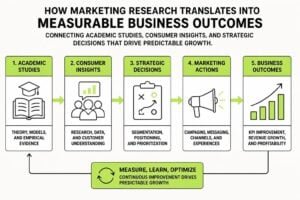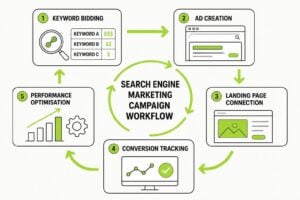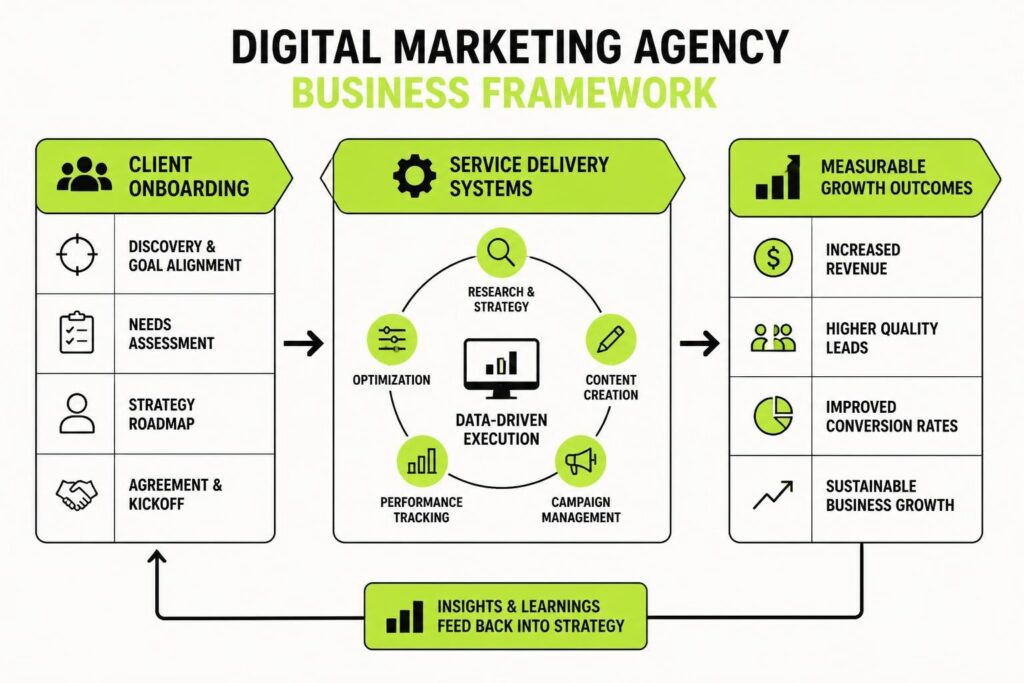
Running a digital marketing agency business is less about creativity and more about systems. You're not just delivering campaigns. You're managing client expectations, coordinating teams, protecting leads, and trying to scale without burning out. Most agencies hit a ceiling not because they lack talent, but because they lack structure. The gap between a busy agency and a profitable one comes down to how well you've built the operational backbone that supports your work. This article walks through what separates agencies that grow predictably from those that stay stuck in reactive mode.
The Real Economics Behind Agency Growth
A digital marketing agency business lives or dies on its unit economics. You can't scale if you don't understand what each client actually costs you, and what they're worth over time.
Here's what matters most:
- Average retainer value
- Cost to acquire each client
- Lifetime value per client
- Revenue per team member
- Gross margin after delivery costs
According to digital agency benchmarks, top performing agencies maintain gross margins above 50% and generate over $150,000 in revenue per full time employee. That's not luck. It's ruthless attention to delivery efficiency and pricing that reflects real value, not just hours worked.
Most agencies underprice at the start because they're desperate for cash flow. That creates a cycle where you're always busy but never profitable. Your team is stretched, client quality drops, and you can't invest in the systems that would actually fix the problem.
Pricing for Profit, Not Just Survival
You need to price in a way that leaves room for error, learning, and reinvestment. If your margins are thin, every scope creep conversation becomes a negotiation you can't afford to lose. When setting agency pricing, factor in the cost of tools, team time, client communication, reporting, and the inevitable revisions.
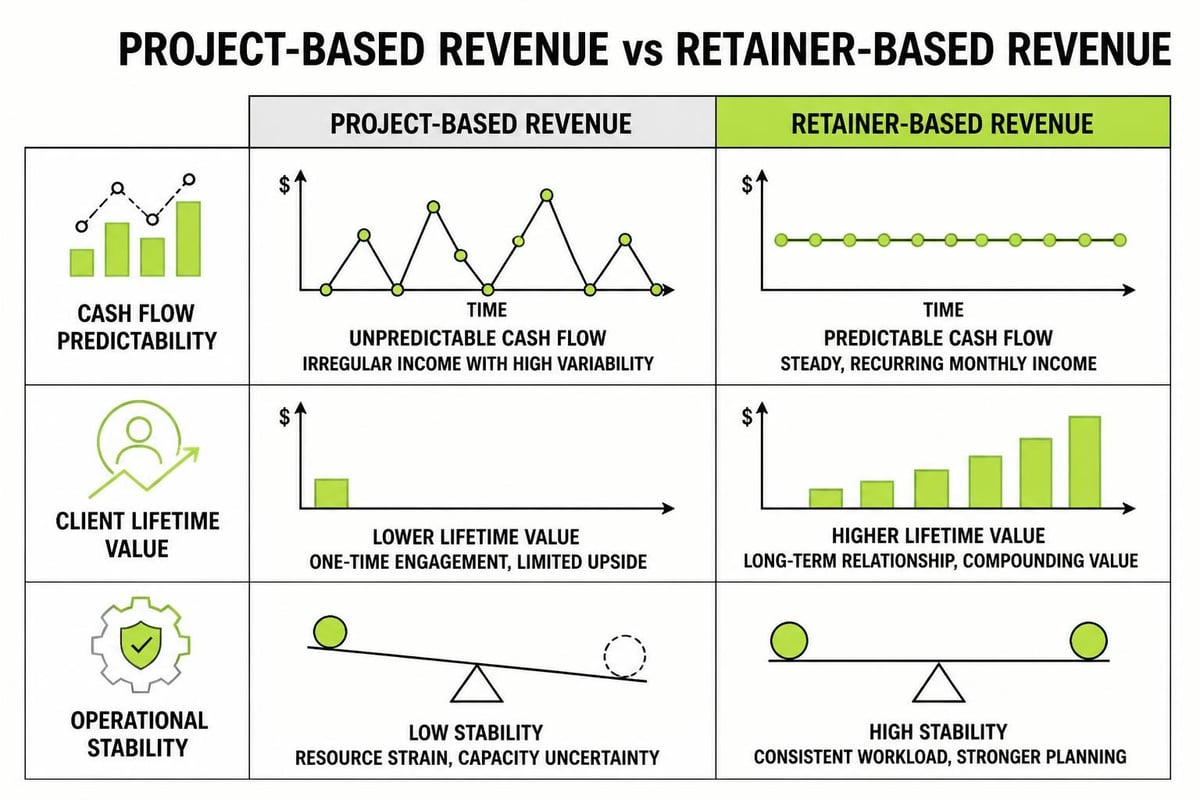
Build your pricing around retained revenue, not project work. Monthly retainers create predictable cash flow, which lets you plan hires, invest in infrastructure, and stop chasing every inbound lead like it's the only thing keeping you afloat.
Building Systems That Actually Scale
Most agencies are held together by the founder's brain and a mess of spreadsheets. That works until it doesn't. Real scalability comes from documenting your processes so thoroughly that delivery doesn't depend on one person remembering how things are supposed to work.
| System Area | What It Includes | Why It Matters |
|---|---|---|
| Client onboarding | Intake forms, kickoff templates, access setup | Reduces onboarding time by 60%, sets expectations early |
| Campaign delivery | SOPs for each service, checklists, approval workflows | Ensures consistent quality regardless of who's executing |
| Reporting | Automated dashboards, monthly review templates | Builds trust, shows progress, reduces manual admin |
| Team coordination | Project briefs, status updates, handoff protocols | Prevents dropped tasks, improves accountability |
Your CRM should hold everything. Client history, campaign performance, communication logs, and task tracking all in one place. When a team member goes on leave or a client asks about something from six months ago, the system should have the answer, not a frantic Slack thread.
We've seen this play out repeatedly. Agencies without documented workflows hit a ceiling around five to seven clients. Beyond that, things start falling through the cracks. Clients notice. Churn goes up. Growth stalls.
The Role of Automation in Agency Operations
Automation isn't about replacing people. It's about removing the repetitive nonsense that keeps your team from doing actual work. Use automation for lead nurturing, reporting, client reminders, task assignments, and data syncing between tools.
A well-structured marketing plan keeps your agency focused on repeatable actions that generate predictable results. When your internal systems mirror the same clarity you offer clients, you stop firefighting and start building.

The mistake most agencies make is automating before they've proven the process manually. Document first. Refine second. Automate third. If the process is broken, automation just makes the mess faster.
Client Acquisition Without Burning Cash
Outbound cold emails and paid ads might fill your pipeline, but they're expensive and hard to sustain if your margins are tight. The agencies that scale profitably focus on inbound systems and referrals, which means content, positioning, and relationships.
Your digital marketing agency business should have a point of view. What do you believe about how marketing works that most people miss? Who do you serve best, and why? Generalist agencies compete on price. Specialists compete on outcomes.
Build your inbound engine around:
- Publishing content that solves real problems for your ideal clients
- Speaking at events or running workshops where your audience already gathers
- Building case studies that show measurable results, not just deliverables
- Asking happy clients for introductions before they've left your orbit
According to research on state of the industry trends, agencies founded post-2020 have increasingly relied on digital channels for lead generation, with content marketing and SEO forming the backbone of sustainable growth strategies.
You don't need a huge audience. You need the right one. A tight email list of 500 decision makers beats 10,000 random followers every time.
Positioning as a Filter, Not a Limitation
When you niche down, you're not shrinking your market. You're making it easier for the right people to find you and trust you faster. A digital marketing agency business that says "we help everyone" ends up helping no one particularly well.
Pick an industry, a business model, or a channel. Own it. Become the agency that e-commerce brands, SaaS companies, or professional services firms call when they're serious about growth. Your messaging gets sharper. Your case studies get more relevant. Your pricing gets easier to defend.
Managing Delivery and Client Expectations
The gap between what clients expect and what you deliver is where most agency relationships fall apart. You sold them on transformation, but they're judging you on every missed deadline and unclear update.
Set boundaries from day one. Define what's included in scope, how revisions work, and what success actually looks like. Use onboarding documents, kickoff calls, and regular check-ins to align expectations before problems start.
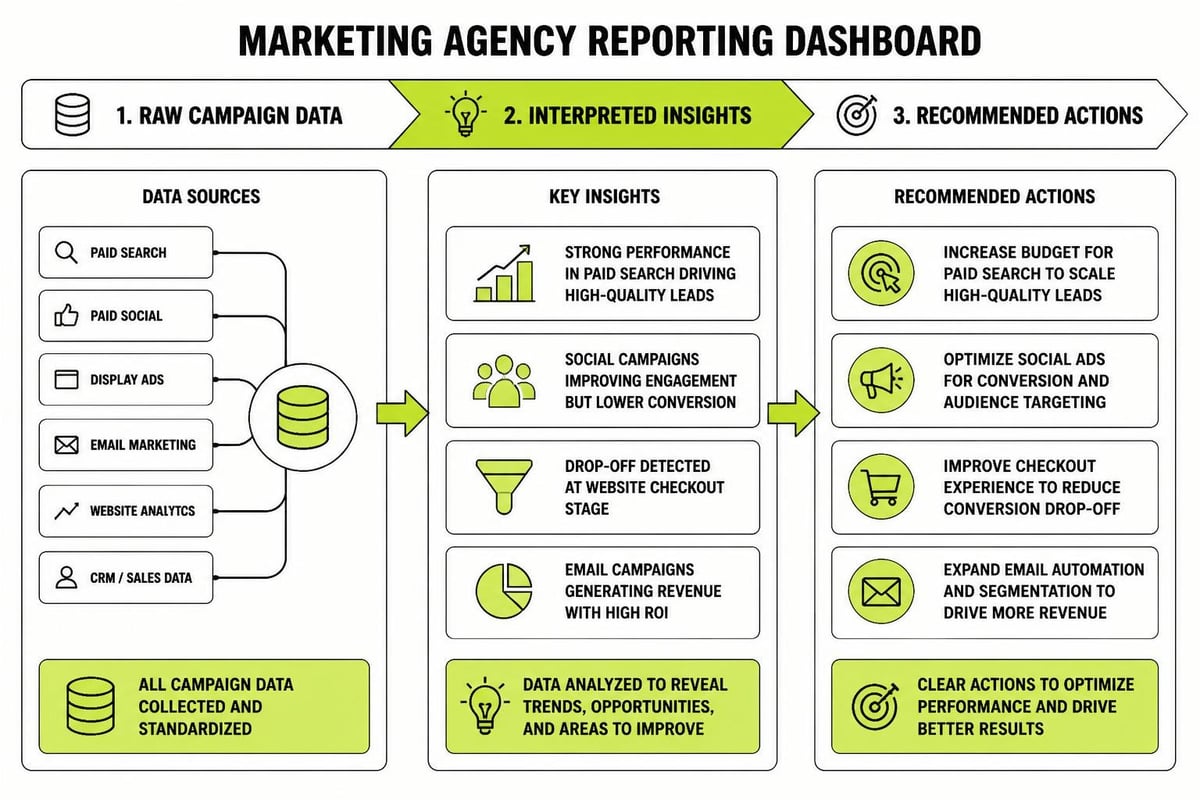
The Reporting Problem
Clients don't care about metrics. They care about outcomes. Your reports should answer one question: are we making progress toward the goal we agreed on?
According to best practices for agency reporting, transparency and clarity beat data dumps every time. Show trends, explain variances, and tie everything back to business impact.
Your monthly reports should include:
- Progress toward agreed KPIs
- What worked and why
- What didn't work and what you're changing
- Next month's plan and expected outcomes
This builds trust. It also protects you when a campaign underperforms, because you've already framed it as part of a longer learning cycle, not a failure.
Building and Retaining Your Team
Your team is your product. If they're good, your agency grows. If they're burned out or misaligned, your work suffers and clients leave. Hiring in a digital marketing agency business isn't about finding unicorns. It's about building clear roles, training well, and creating an environment where people can do their best work without constant chaos.
Most agencies hire too late. They wait until the founder is drowning, then rush a hire and end up with the wrong person. Plan your hires based on revenue milestones, not desperation.
| Role | When to Hire | What They Own |
|---|---|---|
| Account Manager | After 3-5 retainer clients | Client communication, reporting, renewals |
| Specialist (SEO, Ads, Content) | When you're spending 20+ hours/week on delivery | Campaign execution, strategy, optimisation |
| Operations Manager | After 8-10 clients or 5+ team members | Systems, workflows, project management |
Pay fairly. Agencies that underpay lose talent to in-house roles or competitors. You're not just competing on salary, you're competing on autonomy, learning, and whether people feel like cogs or contributors.
Training and Documentation
Every role should have a playbook. What does success look like? What are the recurring tasks? What decisions can they make without approval? When do they escalate?
If someone leaves and it takes three months to replace their knowledge, you don't have a team. You have dependencies. Build your operational systems to survive turnover, because turnover will happen.
Managing Cash Flow and Financial Health
Cash flow is the silent killer of agencies. You land a big client, hire to deliver, then wait 30 to 60 days to get paid. Meanwhile, your team expects their salary on time.
Bill upfront or in stages. Don't deliver work before you've been paid unless you've built enough buffer to survive late payments. Use retainers with auto-renewal clauses. Build contracts that protect your revenue, not just your scope.
According to agency industry research, the most profitable agencies maintain strict payment terms and actively manage receivables. They're not shy about following up on overdue invoices, and they build late fees into their contracts.
Your financial dashboard should track:
- Monthly recurring revenue
- Churn rate
- Cash runway (months of operating expenses covered)
- Client acquisition cost vs lifetime value
- Profit margin per service line
These numbers tell you whether you're growing sustainably or just getting bigger without getting better.
Knowing When to Fire a Client
Not every client is worth keeping. If someone is perpetually late on payments, disrespectful to your team, or demanding work outside scope without fair compensation, they're costing you more than they're worth.
Firing a bad client frees up mental space and capacity for better ones. It also sends a signal to your team that you value their time and wellbeing, which improves retention.
Technology Stack and Tool Choices
Your tools should reduce friction, not add it. Most agencies are drowning in subscriptions they barely use. Pick tools that integrate well, serve multiple functions, and actually get used by your team.
Core tools for any digital marketing agency business:
- CRM for client and lead management
- Project management platform for task coordination
- Reporting dashboard for performance tracking
- Communication tool for internal and client conversations
- Accounting software for invoicing and financial tracking
Don't buy a tool because a competitor uses it. Buy it because it solves a specific problem you've identified. Test before committing. Most SaaS products offer free trials. Use them.
The shift toward AI-driven marketing strategies is real, but don't chase every trend. Adopt technology when it clearly improves outcomes or efficiency, not because it's new.
Measuring What Matters
Vanity metrics kill agencies. Impressions, followers, and website traffic mean nothing if they don't connect to client outcomes. Measure things that tie to business impact: leads generated, cost per acquisition, conversion rates, customer lifetime value.
Data from digital marketing agency industry statistics shows that agencies embracing data-driven decision making and outcome-based metrics consistently outperform those focused on activity-based reporting.
Your internal KPIs should mirror this. Track client retention, average contract value, revenue per employee, and team utilisation. These tell you whether your business model is healthy or heading for trouble.
Building Feedback Loops
Set up monthly or quarterly reviews where you assess what's working and what's not. This includes client feedback, team retrospectives, and financial performance analysis. The goal isn't perfection. It's continuous improvement and course correction before small problems become big ones.
Create space for your team to flag issues without fear. If someone sees a process breaking down or a client relationship souring, they should feel safe raising it early. Most agency crises are visible weeks before they explode, but only if you're listening.
The Path Forward for Your Agency
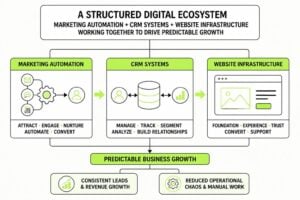
A digital marketing agency business that scales well is built on clarity, systems, and discipline. It's not about working harder or hiring faster. It's about building an operation where every part works together, where clients get consistent results, and where your team knows what success looks like.
The agencies that compound growth over time aren't the flashiest. They're the ones that document their processes, price for profit, manage cash flow carefully, and treat their team and clients with respect. They build sustainable marketing systems that don't depend on heroics or all-nighters.
Start with your weak points. If client onboarding is chaotic, fix that first. If reporting is manual and slow, automate it. If you're underpricing, raise your rates on the next client. Small, deliberate changes compound faster than big, chaotic overhauls.
Your agency should be a business you're proud to run, not just a job you've created for yourself. That means building it to last, not just to survive the next quarter.
Running a digital marketing agency business requires structure, not just skill. The difference between growth and chaos comes down to the systems you build and the discipline you maintain. If you're ready to remove the guesswork and build marketing infrastructure that actually supports long-term growth, MDO Digital can help you design the clarity and systems your business needs to scale predictably.