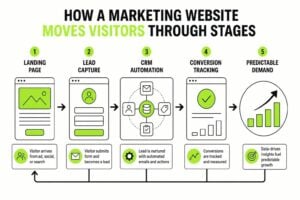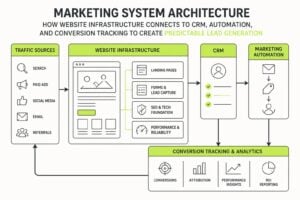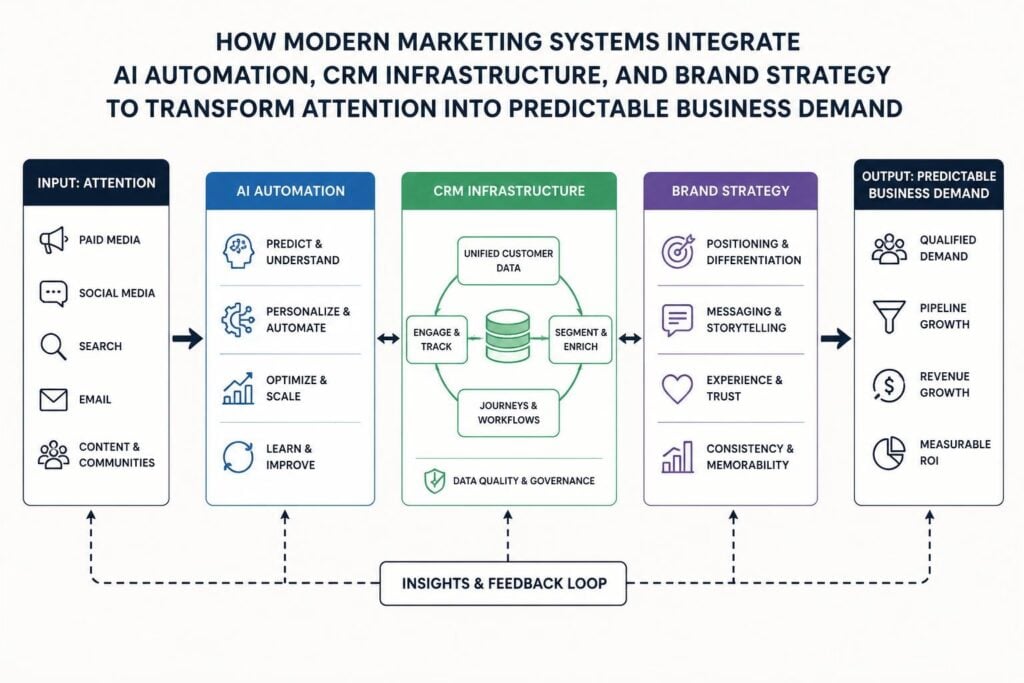
The phrase innovative digital marketing gets thrown around a lot. Everyone wants to be first, fresh, or ahead of the curve. But real innovation in marketing isn’t about chasing every shiny tool or platform. It’s about building systems that work, that scale, and that create predictable demand without chaos. For service based businesses especially, the goal isn’t novelty for its own sake. It’s about removing friction, protecting leads, and building trust at every touchpoint. That requires a mix of smart technology, clear strategy, and execution that compounds over time.
What Makes Digital Marketing Actually Innovative
Innovation doesn’t mean reinventing the wheel. It means doing the basics better, with tools and systems that amplify your effort. The most effective approaches combine automation, data, and human insight in ways that feel seamless to your customer.
Here’s what separates genuinely innovative digital marketing from the noise:
- It’s systematic, not random. Every action feeds into a repeatable process.
- It’s measurable. You know what’s working and what’s wasting time.
- It prioritises retention and trust, not just top-of-funnel volume.
- It uses technology to remove repetitive work, not to replace strategy.
At its core, innovation is about making marketing work harder for you while feeling easier for your audience. That’s the standard worth aiming for.
The Role of AI and Automation
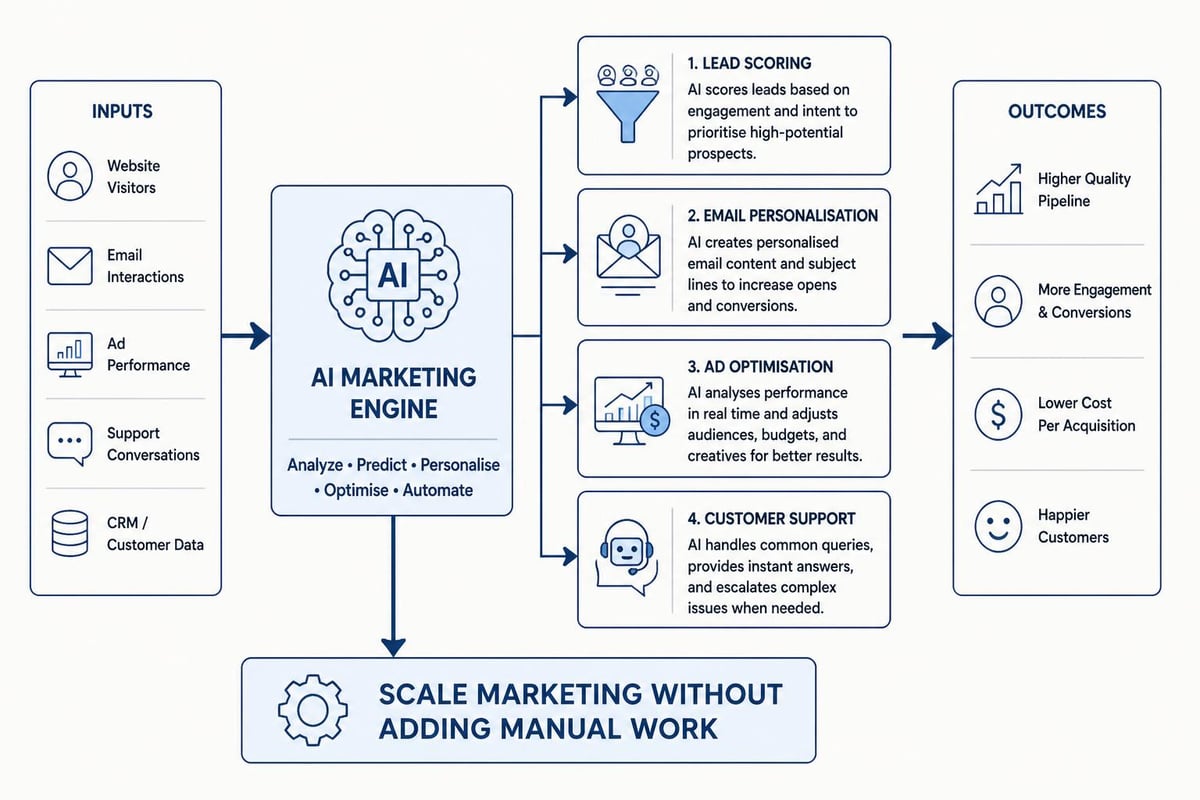
AI isn’t the future anymore. It’s already reshaping how businesses interact with customers. AI integration in digital marketing is transforming everything from personalisation to campaign optimisation, making it possible to deliver the right message at the right time without manual intervention.
The practical applications include:
| Use Case | Benefit | Example Tool Type |
|---|---|---|
| Lead scoring | Prioritise high-intent prospects | CRM automation |
| Email personalisation | Tailor content based on behaviour | Marketing automation platforms |
| Ad targeting | Optimise spend in real time | Platform AI (Meta, Google) |
| Chatbots and support | Answer questions 24/7 | Conversational AI |
But here’s the thing. AI works best when it’s guided by clear strategy. If your funnel is broken, automation just breaks it faster. Start with a solid foundation, then layer in technology to scale what’s already working.
Building Systems That Convert Attention Into Demand
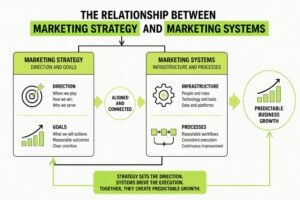
Innovative digital marketing isn’t just about getting eyeballs. It’s about turning attention into action, and action into revenue. That requires a system that connects every stage of the customer journey.
The Framework That Holds It Together
A repeatable marketing system has clear stages. Each one builds on the last:
- Set goals that align with business outcomes, not vanity metrics.
- Define your buyer persona so you’re talking to the right people.
- Choose the right platform where your audience actually spends time.
- Create opt-in offers that provide value upfront and build trust.
- Build a CRM and nurture campaign to stay front of mind.
- Deliver an outstanding experience that turns customers into advocates.
- Generate reviews and referrals to fuel the next cycle.
This approach isn’t groundbreaking on paper. But most businesses skip steps or execute them poorly. The 7-Step Marketing Plan provides a practical framework to build this kind of system, step by step, so nothing falls through the cracks. It’s the difference between hoping leads show up and knowing they will.
CRM Infrastructure as a Competitive Advantage
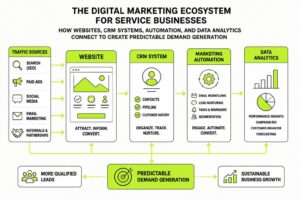
Your CRM isn’t just a database. It’s the engine that powers long-term growth. When it’s set up properly, it tracks every interaction, scores leads based on behaviour, and triggers follow-ups automatically.
Here’s what a strong CRM setup enables:
- Segmentation based on interests, actions, or lifecycle stage
- Automated workflows that nurture leads without manual effort
- Pipeline visibility so you know where every prospect sits
- Attribution that shows which channels actually drive revenue
Without this infrastructure, you’re flying blind. With it, you can double down on what works and cut what doesn’t. That’s how marketing systems and branding creates clarity instead of chaos.
Content That Builds Trust and Authority
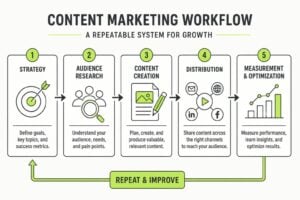
Innovative digital marketing leans on content that does more than fill space. It answers questions, solves problems, and positions you as the obvious choice when someone’s ready to buy.
Types of Content That Actually Convert
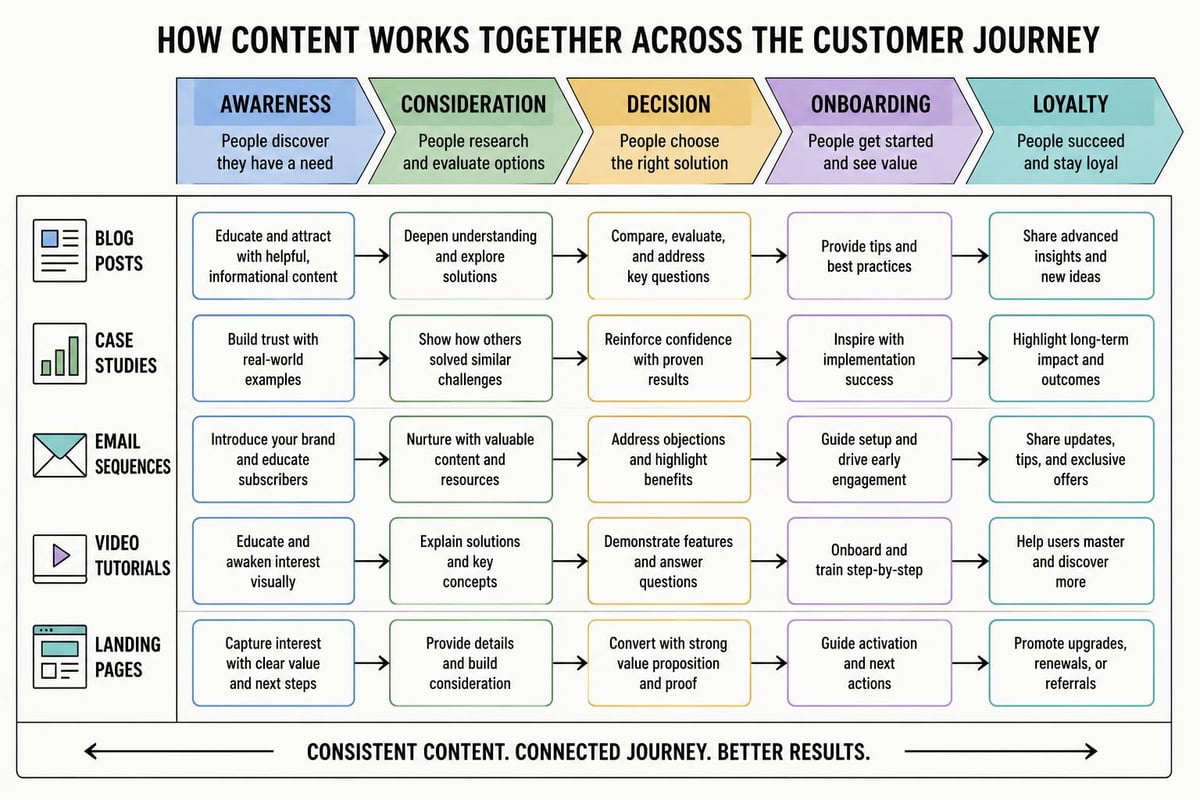
Not all content is created equal. Some formats drive engagement, some build authority, and some move people closer to a decision. The best strategies use a mix.
| Content Type | Purpose | Best For |
|---|---|---|
| Blog posts | SEO, thought leadership | Top-of-funnel awareness |
| Case studies | Social proof, credibility | Mid-funnel consideration |
| Email sequences | Nurture, education | Lead conversion |
| Video tutorials | Engagement, retention | Trust building |
| Landing pages | Conversion | Bottom-of-funnel action |
The key is consistency and quality. One great piece of content beats ten average ones. And every piece should have a clear next step, whether that’s subscribing, booking a call, or exploring your services.
Short-Form Video and Vibe Marketing
Short-form video isn’t just a trend. It’s how people consume information now. Platforms like Instagram Reels, TikTok, and YouTube Shorts reward content that grabs attention fast and delivers value quickly.
But there’s a deeper shift happening. Vibe Marketing is less about data-driven precision and more about emotional resonance. It’s about creating content that feels right, not just content that ticks boxes. This doesn’t mean abandoning analytics. It means balancing data with intuition, and execution with imagination.
For service based businesses, this translates to showing your process, your personality, and your results in ways that feel human. Not polished corporate speak. Just clear, useful, real.
Data-Driven Decisions Without Drowning in Metrics
You can measure everything. But that doesn’t mean you should. Innovative digital marketing uses data to guide decisions, not to create paralysis.
The Metrics That Actually Matter
Most dashboards are cluttered with numbers that don’t move the needle. Focus on the metrics that tie directly to revenue and growth.
Core metrics to track:
- Cost per acquisition (CPA): What you’re paying to win a customer
- Customer lifetime value (LTV): How much a customer is worth over time
- Conversion rate by stage: Where leads drop off in your funnel
- Lead-to-customer ratio: How efficiently you close deals
- Channel ROI: Which platforms deliver the best return
Everything else is noise. If a metric doesn’t inform a decision, stop tracking it. This keeps your focus sharp and your strategy clear.
Attribution and Multi-Touch Tracking
Most buying journeys aren’t linear. Someone might see your ad, visit your website, subscribe to your email, watch a video, and then book a call weeks later. Attribution models help you understand which touchpoints matter most.
There’s no perfect model, but multi-touch attribution gives you a clearer picture than last-click alone. It shows how different channels work together, so you can allocate budget more effectively and avoid cutting what’s actually working.
Platforms like Google Analytics 4, Meta Ads Manager, and CRM tools can all feed into this. The trick is setting it up properly from the start, so your data is clean and your insights are accurate.
Platforms and Channels Worth Your Attention
Not every platform deserves your time. Innovative digital marketing means choosing channels where your audience actually is, and where you can create content that fits the format.
Emerging Platforms and Shifts in Behaviour
Social commerce is growing. Voice search is reshaping SEO. Conversational search and AI are changing how people find information. But none of this matters if it doesn’t align with how your customers behave.
For most service businesses, the core platforms remain:
- Google Ads and SEO for intent-based discovery
- LinkedIn for B2B networking and thought leadership
- Meta (Facebook and Instagram) for community and retargeting
- Email for nurture and long-term engagement
If you’re stretched thin, master one or two before spreading yourself across everything. Depth beats breadth.
Organic vs Paid: The Balance That Scales
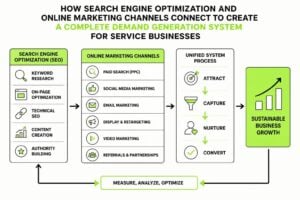
Organic builds authority. Paid buys speed. The best strategies use both. Organic marketing compounds over time, creating assets that keep delivering. Paid marketing lets you test, optimise, and scale quickly.
Here’s a simple split:
- Organic: SEO, content, social media, email, referrals
- Paid: Google Ads, Meta Ads, YouTube Ads, LinkedIn Ads
Start with organic to build a foundation. Layer in paid to amplify what’s working. And always track the return so you’re not just guessing.
Design and Brand Experience in Digital Channels
Innovative digital marketing isn’t just about strategy. It’s also about execution. And that includes how your brand looks, feels, and functions across every touchpoint.
High-Trust Websites That Convert
Your website is your storefront. If it’s slow, confusing, or ugly, people leave. If it’s clear, fast, and designed with trust in mind, they stay and take action.
Key elements of a high-trust website:
- Fast load times (under 3 seconds)
- Mobile-first design that works on every device
- Clear messaging that explains what you do and who it’s for
- Strong calls to action that guide the next step
- Social proof like testimonials, case studies, and logos
Branding and design matter more than most businesses realise. A well-designed site doesn’t just look good. It removes friction and builds confidence. That’s what turns visitors into leads.
Texture, Warmth, and Human-Centric Aesthetics
The design world is shifting. After years of minimalism and sterile interfaces, texture and warmth are making a comeback. This isn’t just about aesthetics. It’s a response to digital fatigue and a desire for more human, emotionally resonant experiences.
For brands, this means:
- Using real photography instead of generic stock images
- Adding subtle textures and layered design elements
- Choosing warmer colour palettes over cold, corporate tones
- Writing in a voice that sounds like a real person, not a corporate handbook
People want to do business with people. Your digital presence should reflect that.
Email Marketing That Nurtures and Converts
Email is still one of the highest-ROI channels in digital marketing. But only if you do it right. That means treating your list like a relationship, not a broadcast channel.
Segmentation and Personalisation
Sending the same email to everyone is lazy. Segmentation lets you tailor messages based on behaviour, interests, or stage in the journey. Personalisation makes each message feel like it was written for one person, not a thousand.
Ways to segment your list:
- By lead source (ad, referral, website opt-in)
- By engagement level (active, inactive, new subscriber)
- By product interest or service need
- By lifecycle stage (prospect, customer, past customer)
The more relevant the message, the better the response. And the better the response, the more trust you build.
Automation That Feels Human
Marketing automation saves time. But if it feels robotic, it breaks trust. The best automated sequences are structured like conversations, not sales pitches.
A simple nurture sequence might look like this:
- Welcome email: Deliver the thing they signed up for.
- Value email: Share a useful resource or insight.
- Story email: Show how you’ve helped someone like them.
- Offer email: Make a clear, low-pressure invitation to work together.
- Check-in email: Ask if they have questions or need help.
Each email should stand alone, but together they build a relationship. That’s how you move people from curious to committed.
Predictable Demand Through Systems and Process
Innovative digital marketing isn’t about one-off wins. It’s about creating a machine that generates demand consistently. That requires process, discipline, and a willingness to optimise over time.
Building a Marketing Flywheel
A flywheel is a self-reinforcing loop. Each part feeds the next, and momentum builds over time. In marketing, that looks like:
- Attract the right people with content and ads
- Convert them into leads with strong offers and landing pages
- Nurture them with email, content, and follow-up
- Close them into customers with clear processes and trust
- Delight them with great service and results
- Refer them back into the top of the funnel through reviews and word of mouth
Each stage makes the next one easier. And over time, the system gets more efficient, not less. That’s how marketing and business development compounds.
Testing, Learning, and Optimising
Nothing works perfectly on the first try. The best marketers test constantly, learn from the data, and iterate. That might mean:
- A/B testing headlines, images, or offers
- Adjusting targeting based on performance
- Refining messaging based on customer feedback
- Doubling down on channels that deliver ROI
This isn’t about being perfect. It’s about being better this month than you were last month. Small improvements add up.
Tools and Tech Stack for Modern Marketers
You don’t need a dozen tools. You need the right tools, set up properly, and used consistently. Innovative digital marketing runs on infrastructure that works together, not isolated platforms that don’t talk.
The Core Stack
A solid marketing tech stack includes:
| Tool Type | Purpose | Examples |
|---|---|---|
| CRM | Manage leads and customers | HubSpot, Pipedrive, Salesforce |
| Email platform | Nurture and automate | ActiveCampaign, ConvertKit, Mailchimp |
| Analytics | Track performance | Google Analytics 4, Hotjar |
| Ads manager | Run and optimise campaigns | Meta Ads, Google Ads |
| Content management | Publish and organise content | WordPress, Webflow, Notion |
The key is integration. Your CRM should talk to your email platform. Your analytics should feed into your ads. When systems work together, you get a complete picture and can move faster.
Avoiding Tool Sprawl
More tools don’t make you more effective. They make you more distracted. Before adding something new, ask:
- Does this replace something we already use?
- Will it integrate with our existing stack?
- Does it solve a real problem, or just seem cool?
Simplicity wins. Use fewer tools, use them well, and make sure your team actually knows how to run them.
The Human Element in a Digital-First World
For all the talk of AI, automation, and optimisation, the best marketing still feels human. People buy from people, even when the transaction happens online. That means your brand voice, your values, and your customer experience matter more than ever.
Innovative digital marketing doesn’t replace human connection. It amplifies it. It removes the repetitive work so you can focus on the conversations that matter. It scales trust, not just traffic. And it builds relationships that last, not just transactions that close.
At the end of the day, marketing is about helping the right people find you, understand what you offer, and feel confident choosing you. Everything else is just the how.
Innovative digital marketing is about systems, not shortcuts. It’s about building infrastructure that removes chaos, protects leads, and creates structured growth over time. If you’re ready to move from random tactics to repeatable demand, MDO Digital can help. We design high-trust websites, build CRM and automation systems, and run data-driven marketing that converts attention into predictable revenue.