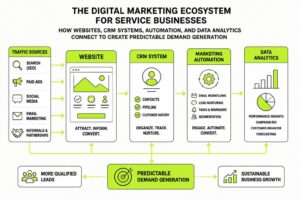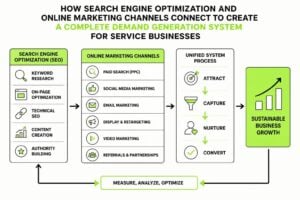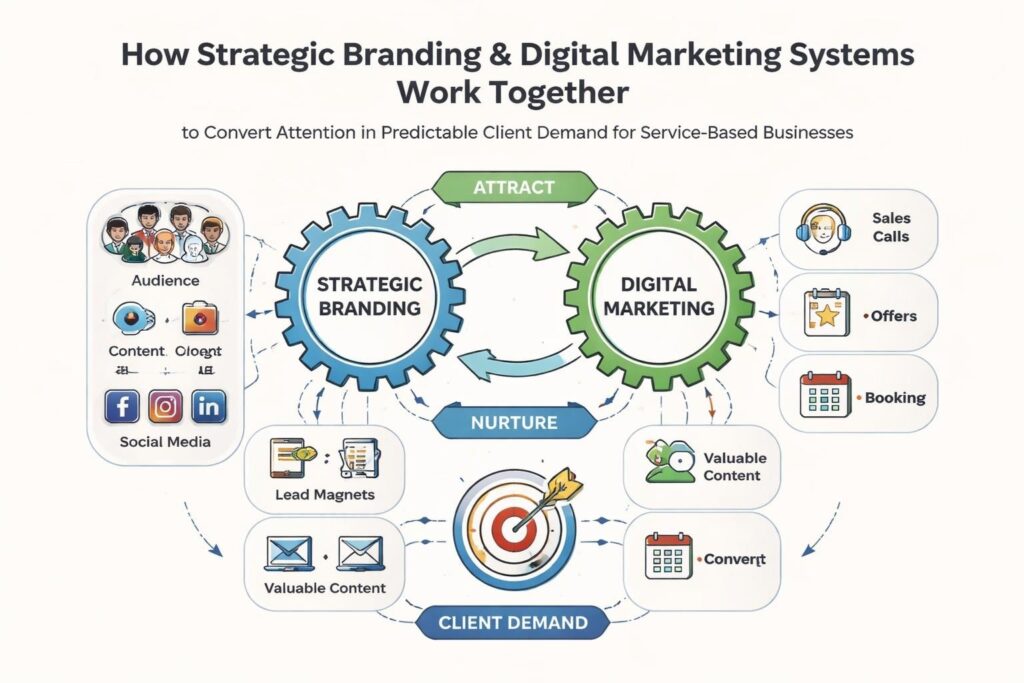
Your brand isn't your logo or your colour palette. It's what people think and feel when they encounter your business in any channel. Branding digital marketing brings these two disciplines together to create something more valuable than either alone: a system that turns recognition into trust, and trust into predictable client acquisition. For service based businesses, this integration is how you move from hunting for every lead to building a demand engine that compounds over time.
Why Branding and Digital Marketing Need Each Other
Most businesses treat branding and marketing as separate projects. They hire a designer for the brand, then hand off tactics to a marketer. This creates a disconnect that shows up everywhere.
Your ads might convert clicks, but if the landing page doesn't feel like the same business, people bounce. Your website might look polished, but if the messaging doesn't match what you're saying on LinkedIn, trust erodes. Branding digital marketing fixes this by treating every touchpoint as part of one system.
The Trust Gap
Service businesses sell expertise and transformation. People don't buy these based on features. They buy based on whether they believe you can deliver.
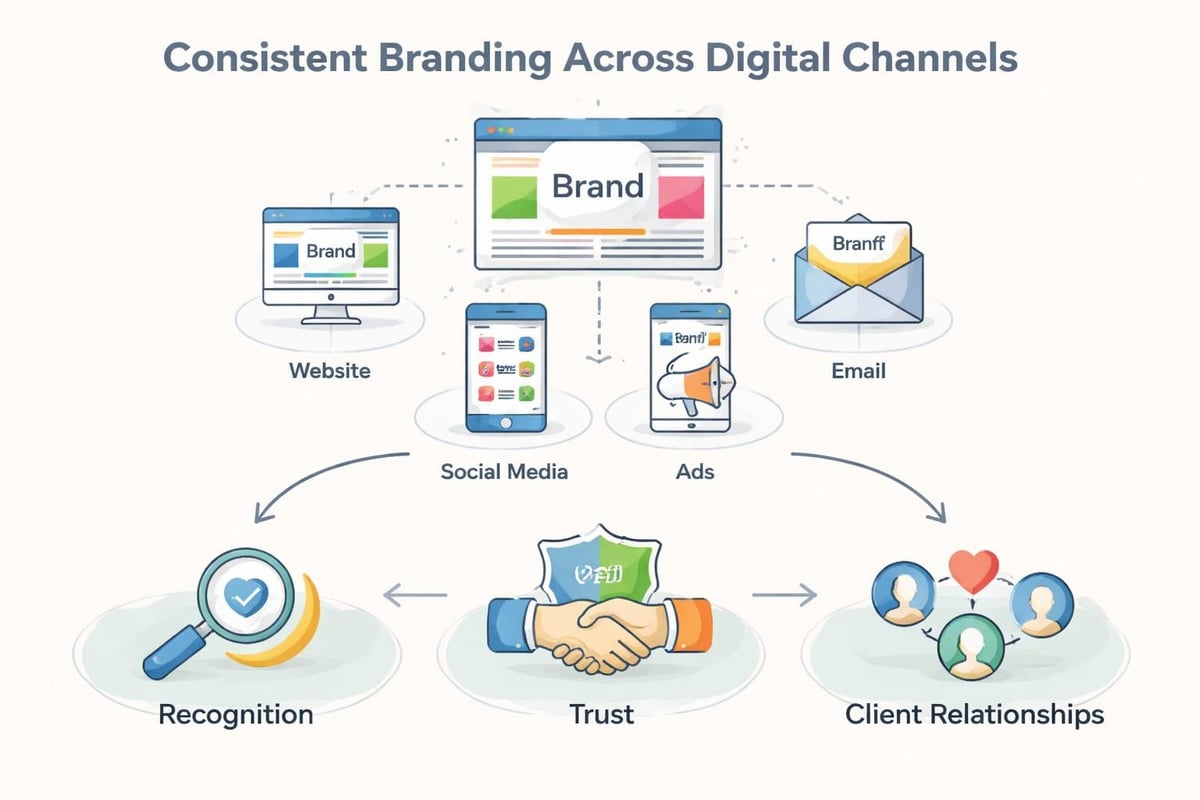
That belief comes from consistency. When your brand shows up the same way across every channel, you're not just building awareness. You're building proof that you're organised, intentional, and reliable. Those are the signals that matter when someone's deciding whether to trust you with their budget.
- Clear visual identity across all platforms
- Consistent messaging that reinforces your positioning
- Predictable experience from first click to final delivery
- Aligned content that demonstrates expertise
Digital marketing without strong branding is just noise. You might get attention, but you won't hold it long enough to convert it.
The Components That Make Branding Digital Marketing Work
Effective branding digital marketing isn't about doing more. It's about making sure the things you're already doing reinforce each other.
Brand Positioning
Before you run a single ad or write a single post, you need to know what you stand for. Positioning isn't a tagline. It's the specific problem you solve, for a specific type of client, in a way that's different from everyone else in your space.
This clarity shows up everywhere. It shapes your content topics, your ad targeting, your website copy, and how you follow up with leads. Without it, you're just guessing at what might resonate.
Visual and Verbal Identity
Your brand needs to look and sound like itself everywhere. This includes:
Visual consistency:
- Logo usage and variations
- Colour palette applied correctly
- Typography that matches your positioning
- Photography or illustration style
- Layout patterns and spacing
Verbal consistency:
- Tone of voice in every piece of content
- Key messaging pillars you return to
- The language your clients actually use
- Storytelling approach across channels
When these align, people start recognising your content before they even see your name. Content quality becomes a branding tool, not just an SEO tactic.
Digital Infrastructure
Brand consistency requires systems. You can't rely on memory or good intentions when you're publishing across five platforms, running campaigns, and managing client relationships.
| System Component | Purpose | Branding Impact |
|---|---|---|
| CRM | Track every interaction | Ensures consistent follow-up and experience |
| Email automation | Nurture leads at scale | Delivers brand voice without manual work |
| Content calendar | Plan across channels | Maintains messaging consistency |
| Asset library | Centralize brand materials | Prevents visual and message drift |
| Analytics dashboard | Measure what matters | Shows which brand touchpoints drive results |
These aren't nice-to-haves. They're how you protect your brand as you scale. At MDO Digital, we see businesses struggle not because their brand is weak, but because they have no system to maintain it as they grow.
How Digital Marketing Amplifies Your Brand
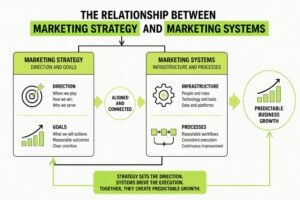
Once your brand foundation is solid, digital marketing becomes the distribution engine. Every campaign, every post, every email becomes a chance to reinforce what you stand for.
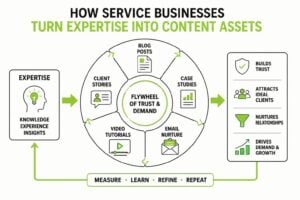
Content Marketing That Builds Authority
Publishing content isn't branding digital marketing by default. It becomes branding when every piece reinforces your positioning and expertise.
- Choose topics that demonstrate your unique approach. Don't just answer common questions. Show how you think about the problem differently.
- Maintain a consistent perspective. Your point of view should be recognisable across articles, videos, and social posts.
- Use real examples from your work. Generic advice doesn't build brand authority. Specificity does.
- Link related content together. Your branding and advertising approach should connect logically across topics.
Building content authority is what separates brands that get noticed from brands that get trusted.
Paid Advertising With Brand Consistency
Ads are often where brand discipline falls apart. Marketers optimise for clicks and conversions, forgetting that every ad trains people what to expect from your business.
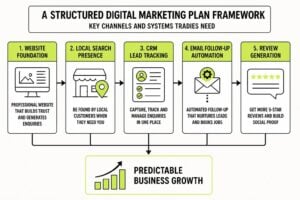
Your ad creative, copy, and landing pages should feel like they come from the same business. Same tone. Same visual style. Same core message. The 7-Step Marketing Plan helps you build this consistency into your system from the start, so your paid efforts and organic brand building work together instead of against each other.
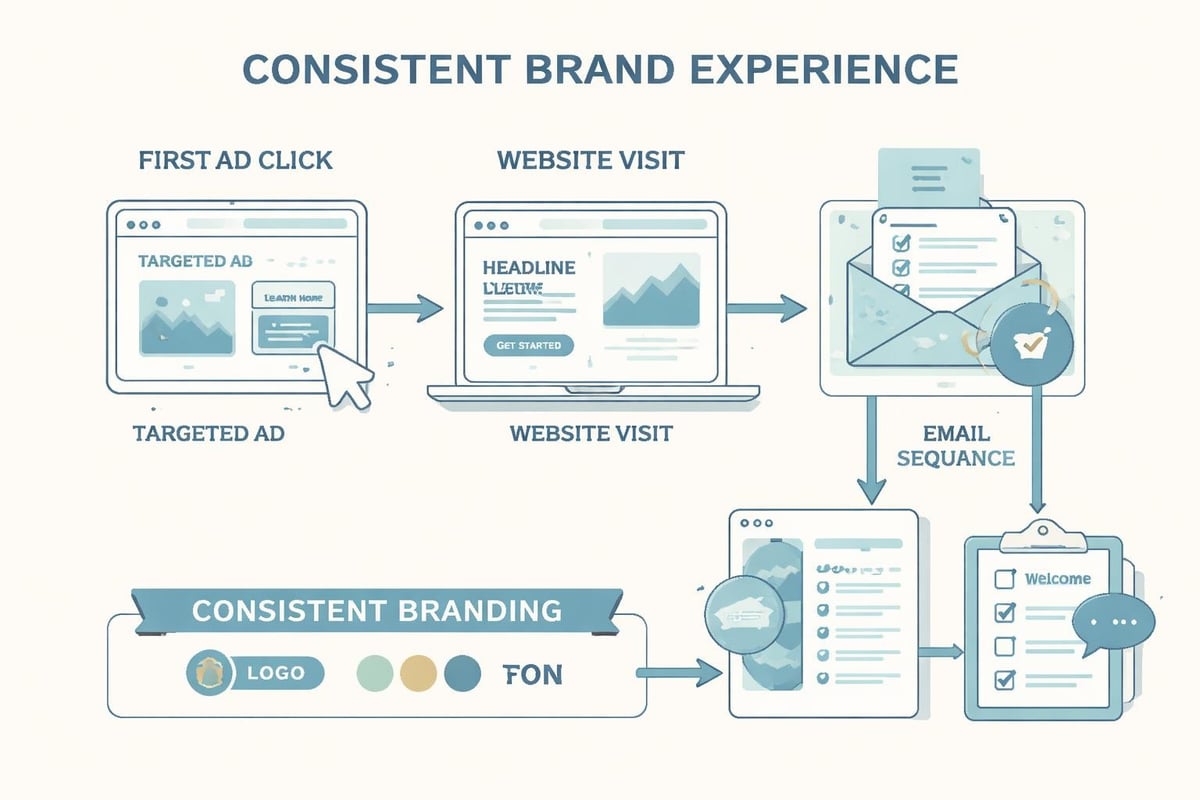
When someone clicks your LinkedIn ad, lands on your website, joins your email list, and books a call, they should feel like they're dealing with the same business the whole way. That continuity is what converts browsers into buyers.
Email and Automation as Brand Delivery
Every automated email is a branding moment. Most businesses waste it by using default templates or writing like robots.
Your email sequences should sound like you. They should use the same language and positioning as your website and content. They should reinforce the same key messages you're putting out in your marketing.
This is where branding as an overlooked growth driver in SEO shows up in unexpected ways. When people receive emails that match your brand, they're more likely to search for you directly, engage with your content, and link to your resources.
Measuring Branding Digital Marketing Impact
Brand work feels squishy to many business owners because they can't see the direct line to revenue. But when brand and marketing are integrated, the impact becomes measurable.
Leading Indicators
These metrics tell you if your branding digital marketing is working before revenue shows up:
- Direct traffic growth: People typing your URL or searching your name
- Email open rates: Recognition drives opens more than subject lines
- Time on site: Strong brand reduces bounce rates
- Return visitor rate: Brand consistency brings people back
- Share of voice: How often you appear in your category conversations
Conversion Metrics
When branding and marketing align, you see it in performance:
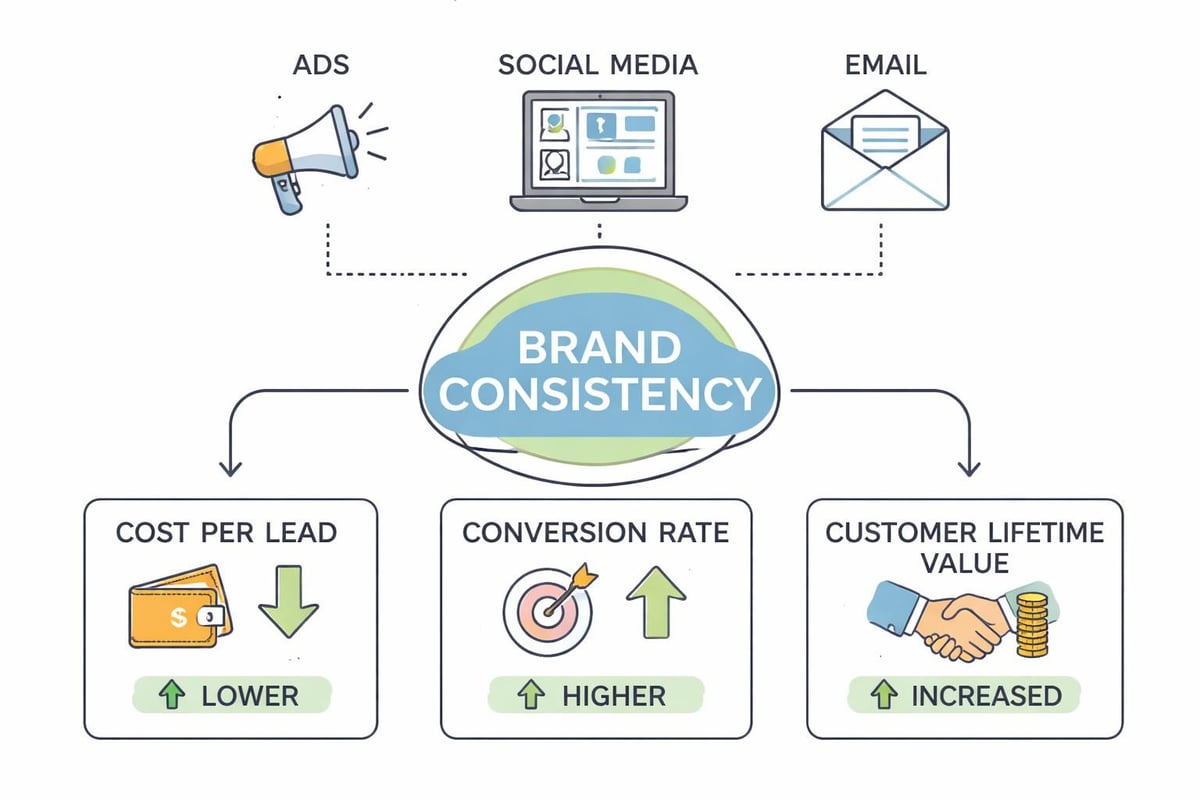
- Cost per lead decreases because recognition improves click-through rates
- Lead quality improves because your positioning attracts the right people
- Sales cycle shortens because trust is already established
- Close rates increase because prospects arrive pre-sold on your approach
Brand authority directly impacts customer acquisition, but only if you're tracking the right metrics across the full funnel.
Attribution Reality
Not everything can be tracked perfectly, and that's fine. What matters is seeing the pattern.
When you invest in consistent branding digital marketing, you'll notice prospects mentioning they've seen you everywhere. They've read your articles, seen your ads, and received your emails. They feel like they know you before the first call.
That's not random. It's the result of a system where every touchpoint reinforces the last.
Common Mistakes That Undermine Branding Digital Marketing
Even businesses that understand the concept often execute it poorly. Here's what to avoid.
Chasing Every Platform
You don't need to be everywhere. You need to be excellent where your clients actually are. Digital branding solutions work better when focused.
Pick two or three channels and own them completely. Consistent presence on fewer platforms beats scattered activity across many.
Separating Brand and Performance Teams
When brand people and performance marketers don't talk, you get campaigns that convert but damage your positioning. Or beautiful brand work that doesn't drive any measurable results.
These need to be the same conversation. Your performance campaigns should look and sound like your brand. Your brand work should have performance goals.
Changing Direction Too Often
Brand building requires patience. You need to show up consistently for months, not weeks. Many businesses give up right before recognition starts to compound.
If your positioning is sound, stick with it. Refine the execution, but don't restart every quarter.
Ignoring the Full Journey
Some businesses nail their ads but fumble the follow-up. Others have great websites but terrible nurture sequences. Branding digital marketing means controlling the entire experience from awareness to advocacy.
| Journey Stage | Brand Touchpoint | Common Failure |
|---|---|---|
| Awareness | Ads, content, social | Inconsistent messaging across channels |
| Consideration | Website, case studies | Design doesn't match ad promise |
| Decision | Sales calls, proposals | Tone doesn't match marketing voice |
| Delivery | Onboarding, communication | Experience feels disconnected from brand |
| Advocacy | Follow-up, community | No system to maintain relationship |
Building Your Branding Digital Marketing System
Start with clarity, then add structure. Here's the practical path.
Step One: Define Your Position
Get specific about who you serve, what problem you solve, and why your approach is different. Write this down in plain language. Test it with existing clients to make sure it resonates.
This becomes the filter for every marketing decision. If a tactic doesn't reinforce your positioning, don't do it.
Step Two: Document Your Brand
Create a simple brand guide that covers:
- Core messaging and positioning
- Visual identity standards
- Tone of voice guidelines
- Example applications across channels
This doesn't need to be a 50-page document. One Google Doc that your team actually uses beats a fancy PDF that sits in a folder.
Step Three: Build the Infrastructure
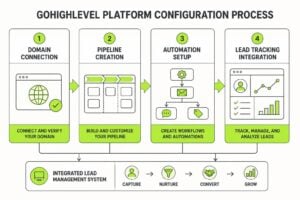
Set up the systems that protect consistency as you scale. CRM, email automation, content calendar, asset management. Marketing web development should support your brand, not fight it.
These tools aren't about automation for automation's sake. They're about ensuring every client interaction reflects your brand standards.
Step Four: Create Channel-Specific Plans
For each platform you use, document:
- Content themes that align with positioning
- Posting frequency you can maintain consistently
- Visual templates that match brand standards
- Engagement approach that reflects your voice
- Metrics that show if it's working
Online branding succeeds when you have clear plans, not just good intentions.
Step Five: Test and Refine
Launch your integrated approach and measure what happens. Track both brand metrics and performance metrics. Look for patterns.
Which messages resonate? Which channels drive quality leads? Where do people drop off? Use this data to refine execution while maintaining your core positioning.
The goal isn't perfection on day one. It's building a system that improves over time while maintaining brand consistency.
The Compound Effect of Consistent Branding Digital Marketing
When you commit to this approach for 12 months, something shifts. You stop chasing individual leads and start building momentum.
People begin to recognise your content before they see your name. Your cost per lead drops because you're not starting from zero with every prospect. Your sales conversations get easier because trust is already established.
This is how service businesses move from unpredictable revenue to structured growth. Not through hacks or shortcuts, but through the disciplined application of branding digital marketing principles across every touchpoint.
Digital PR and branding strategies work together to create visibility that compounds. Each piece of content, each campaign, each client interaction adds to your brand equity.
Your competitors might copy your tactics, but they can't replicate the trust you've built through consistent execution over time. That's the real competitive advantage of integrated branding digital marketing.
Strong branding digital marketing isn't about doing more. It's about making everything you already do work together to build recognition, establish trust, and create predictable demand. When your brand and your marketing operate as one system, every touchpoint reinforces the last, and growth starts to compound. If you're ready to remove the chaos and build marketing infrastructure that actually protects and converts your leads, MDO Digital can help you design the system that makes it happen.