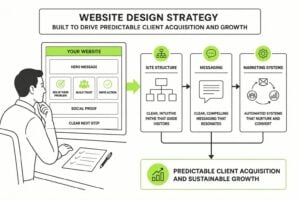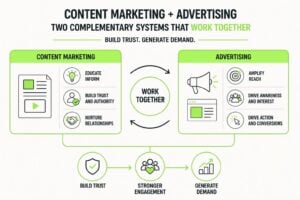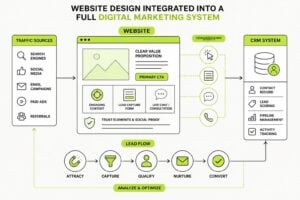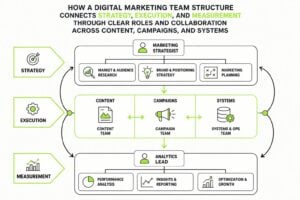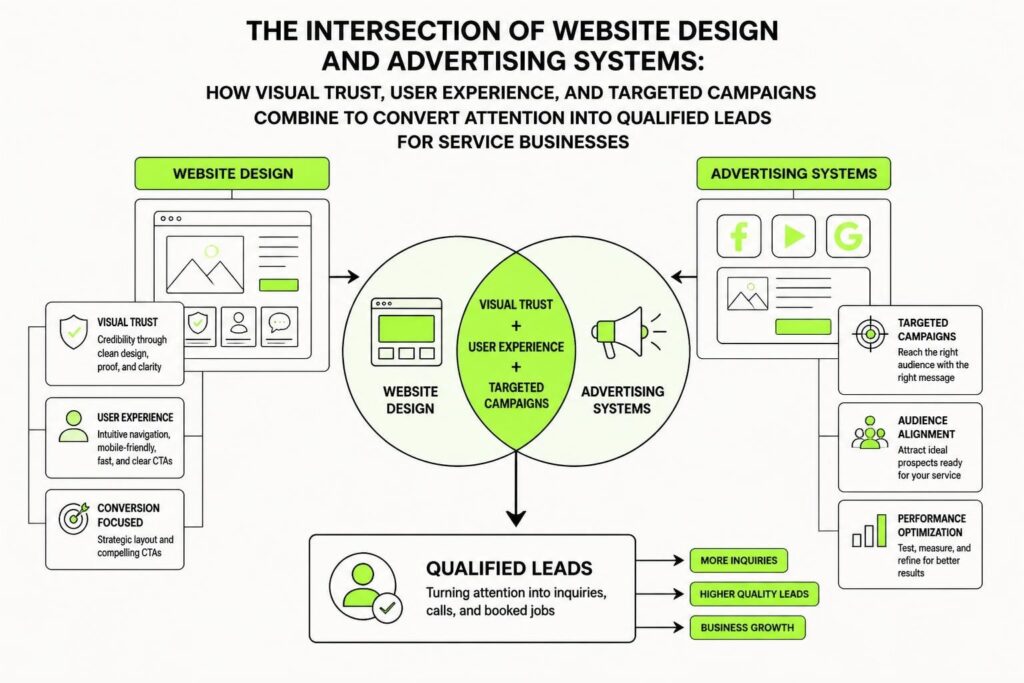
Your website isn't just a digital brochure. It's the hardest working sales asset you have, and when paired with strategic advertising, it becomes a predictable lead generation engine. Most service businesses treat website design and advertising as separate projects. One team builds the site, another runs the ads, and nobody thinks about how they actually work together. The result? Traffic that bounces, leads that vanish, and budgets that evaporate with nothing to show for it. When you align design and advertising from the start, you create a system that protects every dollar you spend and turns attention into revenue.
Why Website Design and Advertising Must Work as One System
Too many businesses launch a website, then start running ads weeks or months later. By the time the advertising begins, the site is already optimized for the wrong outcome. It looks professional but doesn't convert. Or worse, it converts visitors into tire kickers instead of qualified buyers.
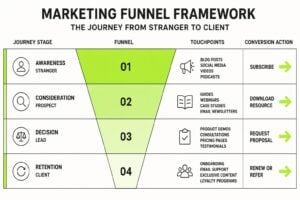
Website design and advertising share one job: move someone from stranger to lead, then lead to client. Your ads create the first impression and set expectations. Your website either validates those expectations or breaks trust immediately. When these two elements work together, the experience feels seamless. When they don't, people click your ad, land on your site, and leave within seconds.
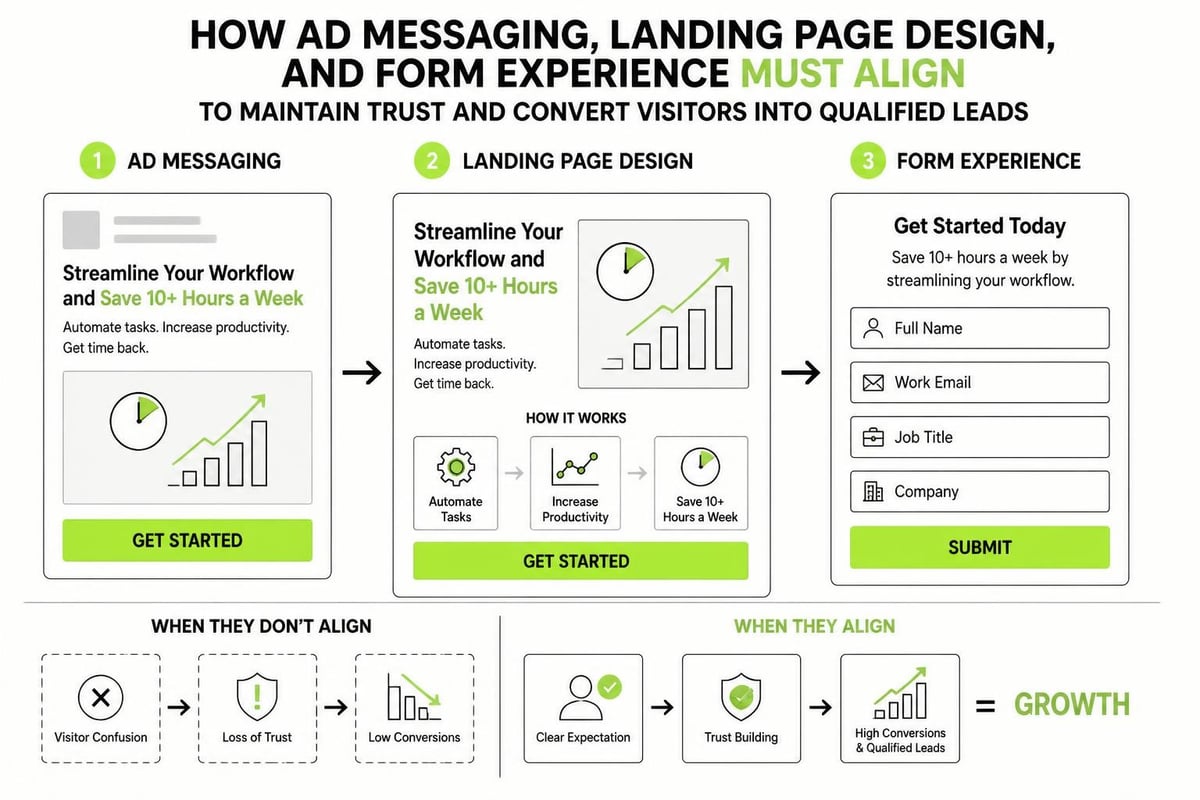
Consider the user journey. Someone sees your ad on LinkedIn or Google. The messaging promises a specific outcome. They click through expecting to find exactly what was promised. If your landing page shows generic stock photos, vague headlines, or a cluttered navigation that forces them to hunt for what they need, you've already lost them. Strong website design and advertising alignment means your ad copy, imagery, and offer match the landing page exactly. No surprises. No friction.
The Trust Gap Between Ads and Landing Pages
According to website design best practices for 2026, users form an opinion about your site within 0.05 seconds. That's faster than a single heartbeat. If your advertising promises clarity and your website delivers chaos, the disconnect is instant.
Here's where most campaigns fall apart:
- Ad promises one thing, landing page shows another
- Design looks outdated or untrustworthy
- Load time exceeds three seconds
- Mobile experience is broken or slow
- Form asks for too much information upfront
These aren't minor issues. Each one costs you money. You've already paid for the click. The person is interested. But poor execution on the website side means that interest evaporates before they take action. This is why website design and advertising must be built as a single system, not two separate projects managed by different people who never talk to each other.
Design Elements That Support Advertising Conversion
When you're spending money to drive traffic, every element on your landing page needs to earn its place. Clean, focused design isn't about looking pretty. It's about removing everything that doesn't move someone toward a decision.
Start with a single, clear headline. Your visitor should understand what you do and who it's for within three seconds. If your headline requires interpretation or clever wordplay, you're adding friction. State the outcome they'll get and move on.
Use subheadings to guide attention. Most people scan before they read. Subheadings create a path through your content. Each one should build on the last, answering objections and reinforcing value as the visitor scrolls.
Prioritize fast load times. A delay of just one second can reduce conversions by 7%. If you're running paid traffic to a slow site, you're literally paying to frustrate people. Optimize images, minimize scripts, and test on real devices. Tools like eye tracking technology show that users abandon pages before they fully load, meaning your carefully crafted message never even gets seen.
Visual Hierarchy and Conversion Architecture
Strong website design and advertising integration relies on visual hierarchy. Your most important elements should dominate the page. Secondary information should support the primary goal without competing for attention.
| Element | Purpose | Placement |
|---|---|---|
| Headline | State the core promise | Top of page, largest text |
| Subheading | Expand on the promise | Directly below headline |
| CTA Button | Primary conversion action | Above fold, high contrast |
| Social Proof | Build trust and credibility | Near CTA or mid-page |
| Form | Capture lead information | Visible without scrolling |
Whitespace isn't wasted space. It directs focus and reduces cognitive load. A cluttered page forces visitors to work harder to understand what you want them to do. Clean design with intentional spacing makes the decision easier.
Contrast drives action. Your call to action button should stand out immediately. If it blends into the background or competes with other elements, conversion rates drop. High contrast isn't about being loud. It's about being clear.
Advertising Strategy That Matches Design Capability
Running ads without understanding what your website can actually deliver is expensive guesswork. Before you spend a dollar on traffic, audit your site's ability to convert. Can it handle specific landing pages for different audience segments? Does it load fast on mobile? Can you track user behavior through the entire funnel?
Building Campaign Architecture Around Site Structure
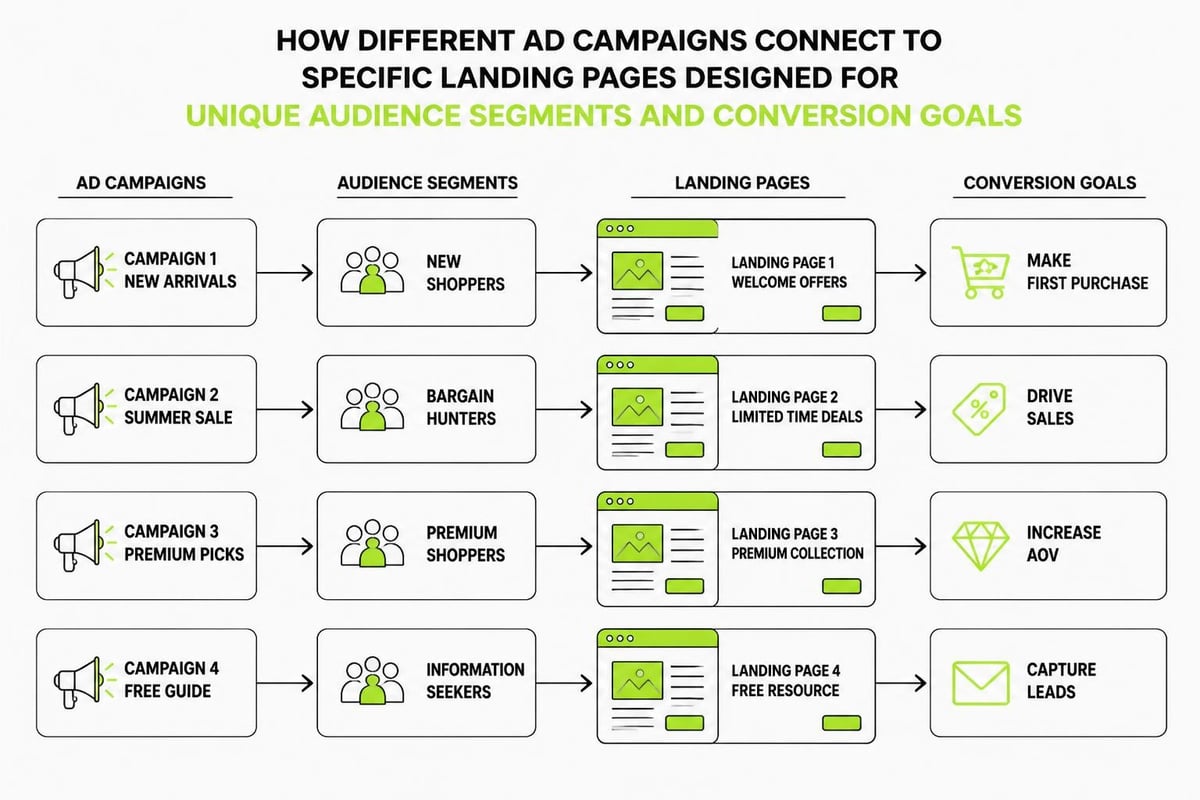
Service businesses often make the mistake of sending all ad traffic to their homepage. The homepage serves too many jobs. It's an overview, a portfolio, a contact point, and a navigation hub. When someone clicks an ad about a specific service, they don't want to hunt through your entire site to find what they came for.
Dedicated landing pages solve this. Each campaign gets its own page, built around a single offer and one conversion goal. The messaging from ad to page stays consistent. The design removes distractions. The form asks only what's needed to qualify the lead.
Your digital marketing website design should support this modular approach from the start. Template-based sites or rigid platforms often can't accommodate multiple landing pages without degrading performance or creating maintenance headaches.
Measuring What Actually Matters
Most businesses track vanity metrics. Page views. Bounce rate. Time on site. These numbers feel important but don't tell you if the system is working. Website design and advertising performance should be measured by one thing: qualified leads that turn into revenue.
The Metrics That Drive Real Decisions
- Cost per qualified lead – What you pay to acquire someone ready to buy
- Lead to client conversion rate – How many leads become paying customers
- Page conversion rate – Percentage of visitors who complete your primary action
- Form completion rate – How many people start vs. finish your lead capture
- Return on ad spend – Revenue generated per dollar spent on advertising
These metrics reveal where the system breaks. If cost per click is low but cost per qualified lead is high, your targeting or landing page needs work. If page conversion is strong but lead quality is poor, your offer or messaging is attracting the wrong people.
Track behavior, not just outcomes. Heatmaps and session recordings show you what people actually do on your site. Where do they click? How far do they scroll? Where do they abandon the form? This qualitative data fills in the gaps that analytics alone can't explain.
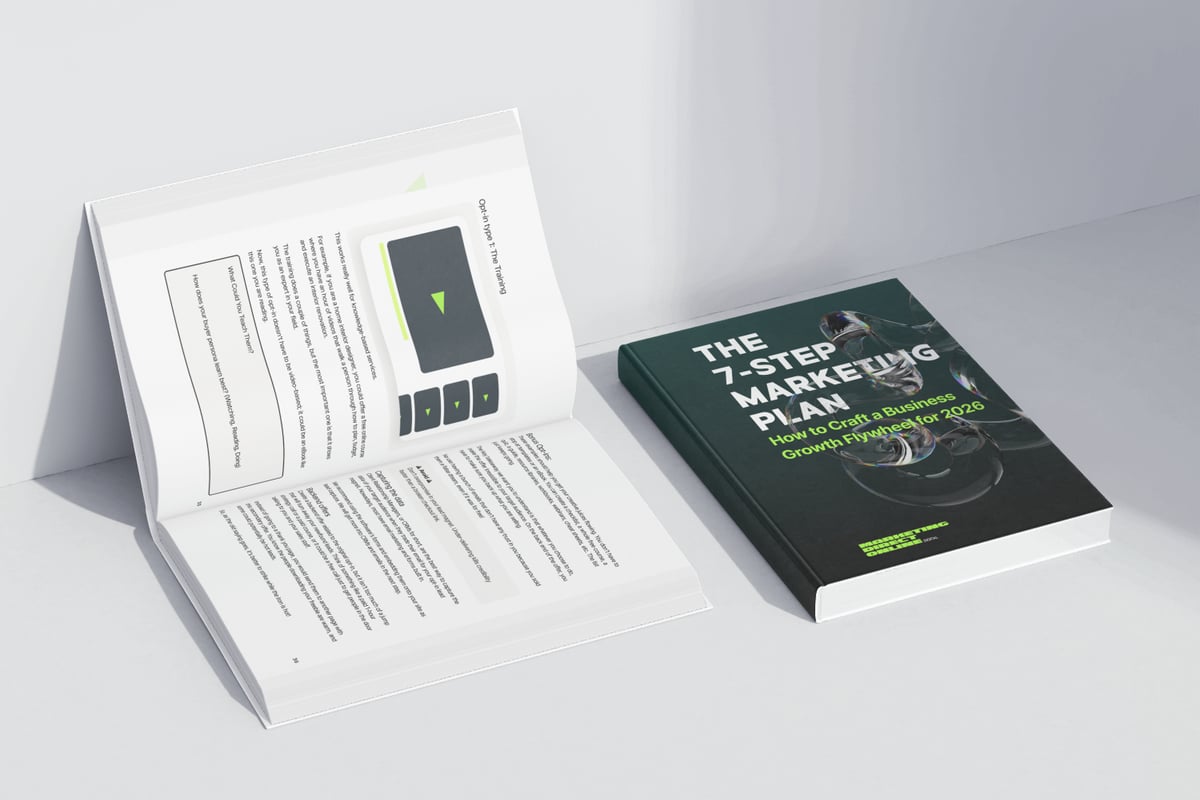
A practical framework helps here. MDO Digital's approach uses a systematic method to align every touchpoint. The 7-Step Marketing Plan covers everything from defining your buyer persona to building CRM infrastructure that nurtures leads after they convert. It's the kind of structure that prevents the common mistake of running ads before your funnel can handle them.
Common Failure Points and How to Fix Them
Even when businesses understand the connection between website design and advertising, execution falls short in predictable ways. Here's where things typically break and how to fix them.
Mismatch between ad copy and page content. Your ad promises "free audit" but the landing page talks about "discovery calls." These might be the same thing to you, but to a visitor, it's confusing. Use identical language across both.
Forms that ask for too much. Every field you add reduces completion rates. Ask only what you need to qualify the lead and start a conversation. You can gather more information later, after trust is established.
Slow mobile experience. More than 60% of traffic comes from mobile devices. If your site isn't built mobile-first, you're losing the majority of visitors before they see your offer. Test on actual devices, not just browser simulators.
No clear next step. After someone completes your form, what happens? Do they see a confirmation message? Receive an email immediately? Know when to expect contact? Clarity here reduces anxiety and increases trust in your process.
Technical Infrastructure That Supports Scale
As your advertising spend increases, your website infrastructure needs to keep up. A site that handles 100 visitors a day might collapse under 1,000. Load balancing, caching, and database optimization aren't optional when you're scaling paid traffic.
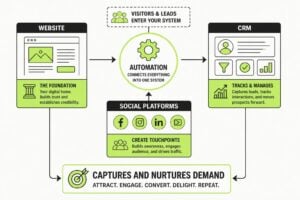
Your CRM integration matters too. When a lead submits a form, where does that data go? How quickly does it trigger follow-up? If there's manual data entry between form submission and sales contact, leads go cold. Automation isn't about replacing humans. It's about ensuring no lead falls through the cracks while your team focuses on actual conversations.
Building for Long-Term Compound Growth
Website design and advertising shouldn't be campaign-based thinking. It should be system-based. Each campaign teaches you something. Each landing page test reveals what resonates. Over time, this data compounds into a predictable growth engine.
Start with one funnel and optimize it completely. Don't run five different campaigns with five different landing pages until you've proven one works. Master a single audience, offer, and conversion path first. Then replicate and scale.
Document what works. When a campaign performs well, capture the elements that made it successful. The headline structure. The offer. The form length. The visual approach. Turn these into templates for future campaigns instead of starting from scratch each time.
Iterate based on data, not opinions. Everyone has ideas about what will convert better. Most of those ideas are wrong. Test systematically. Change one element at a time. Measure the impact. Let the numbers guide decisions, not the loudest voice in the meeting.
Strategic Alignment Across Marketing and Branding
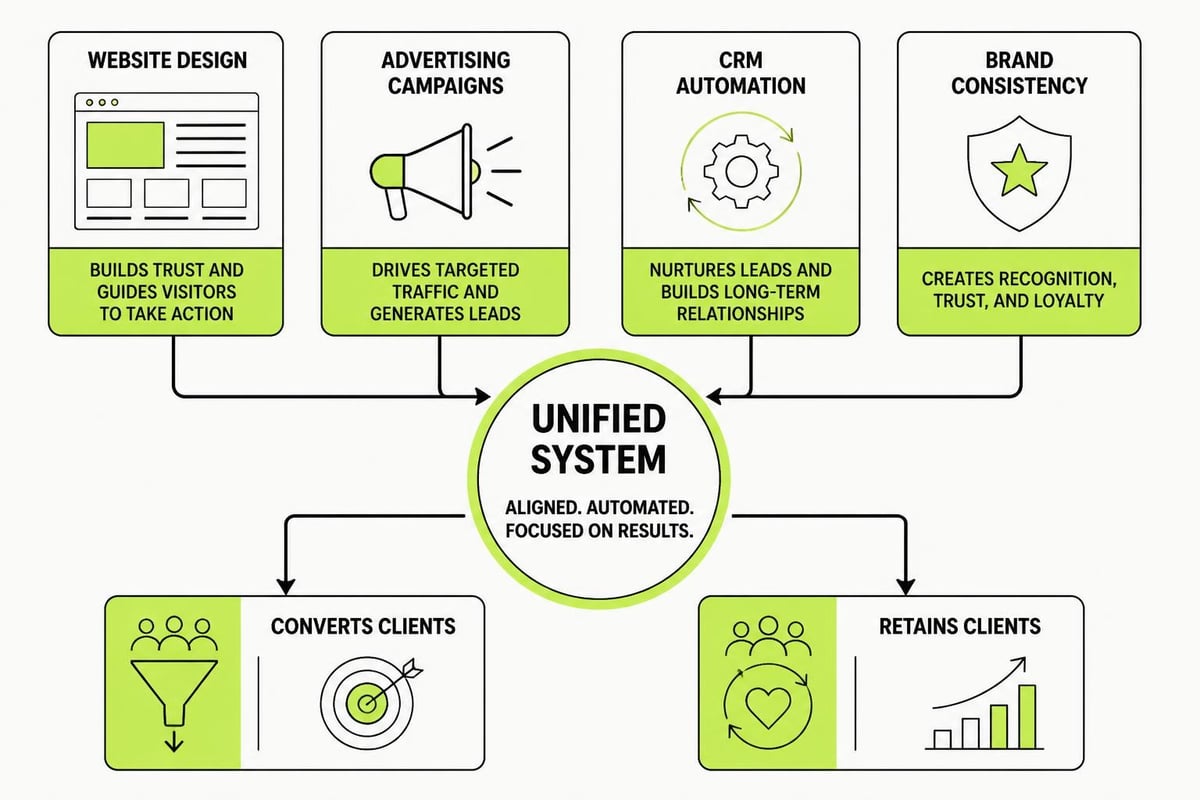
Your website and advertising exist within a larger brand ecosystem. The design standards, messaging framework, and visual identity should be consistent across every touchpoint. When someone sees your ad, visits your site, receives your email, and talks to your sales team, the experience should feel cohesive.
This is where branding and advertising intersect with technical execution. Brand isn't just logos and colors. It's the promise you make and the experience you deliver. If your advertising promises a high-touch, personalized service but your website feels automated and generic, the brand promise breaks.
Choosing the Right Tools and Partners
The tools you use shape what's possible. According to experts on choosing a website builder, ease of use and scalability matter most for service businesses. You need something that grows with you without requiring a complete rebuild every two years.
Platform selection affects advertising performance. Some platforms load slowly by default. Others limit your ability to create custom landing pages. A few integrate poorly with advertising pixels and tracking scripts. Choose infrastructure that supports performance and flexibility.
Integration capability drives efficiency. Your website should connect seamlessly with your CRM, email platform, advertising accounts, and analytics tools. Manual data transfers waste time and create errors. Look for native integrations or platforms that support webhook automation.
When to Build Custom vs. Use Templates
Templates work well when you're testing a concept or launching quickly. They're cost-effective and reduce development time. But they also limit customization and often come with performance overhead from features you don't need.
Custom builds give you complete control. You pay for exactly what you need and nothing you don't. Load times improve. Design matches your brand exactly. Maintenance becomes easier because you're not working around someone else's framework.
For most service businesses, the right answer sits in between. Start with a solid foundation platform like Webflow or a well-built WordPress setup. Customize the parts that matter most (landing pages, forms, conversion paths) and use standard solutions for the rest (blog, about page, basic navigation).
The Role of Content in Conversion
Website design and advertising get people to your site. Content is what convinces them to convert. Your copy should do three jobs: establish credibility, address objections, and make the next step obvious.
Credibility comes from specificity. Vague claims like "industry leading" or "award winning" mean nothing. Specific outcomes and named clients build trust. Instead of "we help businesses grow," try "we've helped 47 service businesses reduce lead cost by an average of 34% over six months."
Address objections before they form. People have questions. How much does this cost? How long does it take? What if it doesn't work? Answer these preemptively in your content. Don't make people hunt for basic information or force them to contact you just to understand the fundamentals.
Make the next step completely clear. Your call to action should remove all ambiguity. "Get started" is too vague. "Book a 15-minute strategy call" tells them exactly what happens next and how much time it requires.
| Content Type | Purpose | Best Placement |
|---|---|---|
| Headline | Communicate core value | Top of page |
| Benefit statements | Build desire | First scroll section |
| Social proof | Establish credibility | Mid-page, near CTA |
| Process explanation | Reduce uncertainty | After initial interest |
| Clear CTA | Drive conversion | Multiple locations |
Research on web design practices shows that defining a clear purpose before designing improves both user experience and business outcomes. Every piece of content should serve the page's primary goal or be removed.
Managing Advertising Spend Without Waste
Throwing money at advertising without optimizing the receiving end is the fastest way to burn budget. Before you increase spend, make sure your website can convert the traffic you're already getting.
Test at low volume first. Run small campaigns to validate your funnel. If you can't convert 100 clicks profitably, adding another 900 won't help. Fix the conversion mechanism before scaling traffic.
Use retargeting to recover lost opportunities. Most people don't convert on first visit. Retargeting ads keep you in front of prospects who showed interest but weren't ready to commit. Your website should install the necessary pixels to build these audiences from day one.
Segment campaigns by intent level. Someone searching for "CRM implementation service" has higher intent than someone reading an article about marketing automation. Your landing page and offer should match the visitor's stage in the buying journey. High-intent traffic gets direct offers. Early-stage traffic gets educational content with a soft opt-in.
Budget Allocation That Reflects Reality
New businesses often spend heavily on advertising while neglecting website optimization. The math doesn't work. If your site converts at 1% and you spend $5,000 on ads that generate 500 clicks, you get five leads. If you invest $2,000 to improve conversion to 3% and spend $3,000 on ads for 300 clicks, you get nine leads. Better return, lower total spend.
This doesn't mean ignore advertising. It means balance your investment. Website design and advertising need each other. Strong advertising to a weak site wastes money. A perfect site with no traffic generates nothing. The system works when both sides pull their weight.
Website design and advertising only deliver results when they work as one integrated system, not separate projects managed in isolation. When your site builds trust instantly and your ads bring the right people to it, you create predictable growth instead of expensive guesswork. MDO Digital helps service businesses build these systems with clarity, removing the chaos between traffic and revenue. If you're ready to turn attention into actual demand, let's talk about what structured growth looks like for your business.